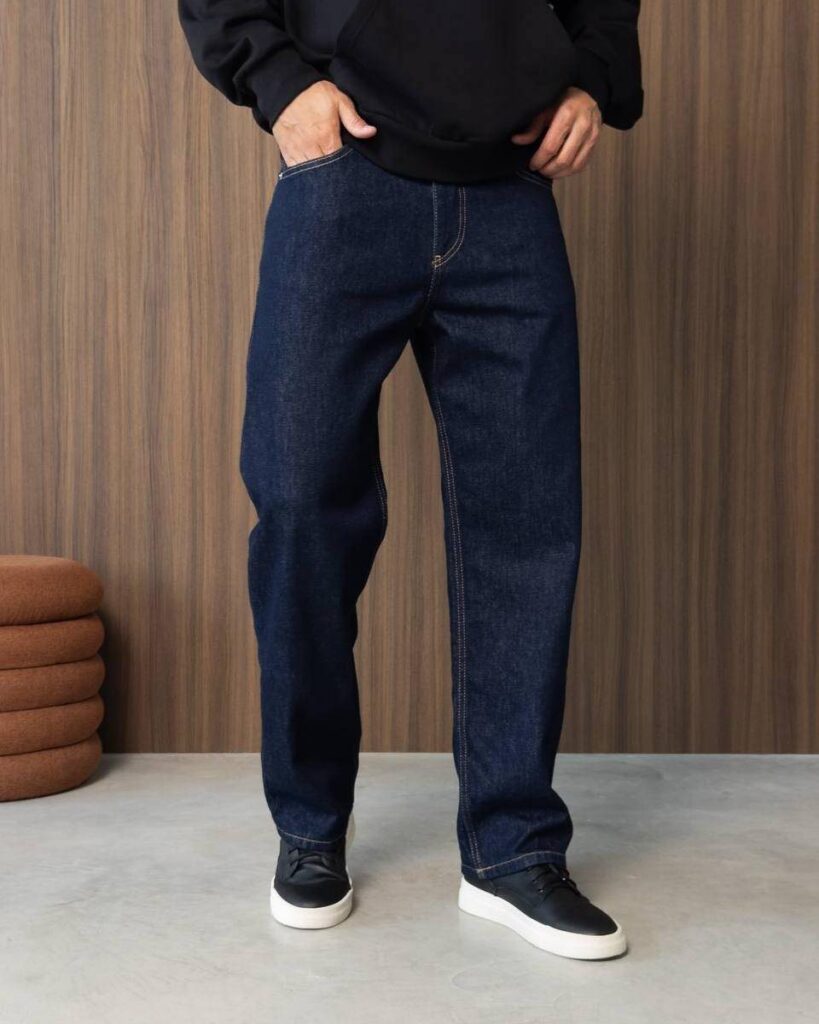
Which basic to buy first depends on where your week goes: an office calls for tailored trousers or a navy suit, while weekends and errands call for dark wash jeans, joggers or an oversized zip hoodie.
Start with what you wear most, and spend there.
1. Navy Suit

A three-piece in navy gives you three outfits in one purchase: full suit, jacket with trousers, or vest and trousers alone.
The maroon tie and matching pocket square work because they sit in one color family, so the look stays calm instead of busy.
Keep the shirt white and plain. That leaves the tie as the only decision, and a deep red or burgundy is an easy one.
If you buy only one suit, I’d pick this over charcoal or black. Spend the extra money on tailoring rather than a fancier label.
2. Dark Wash Jeans
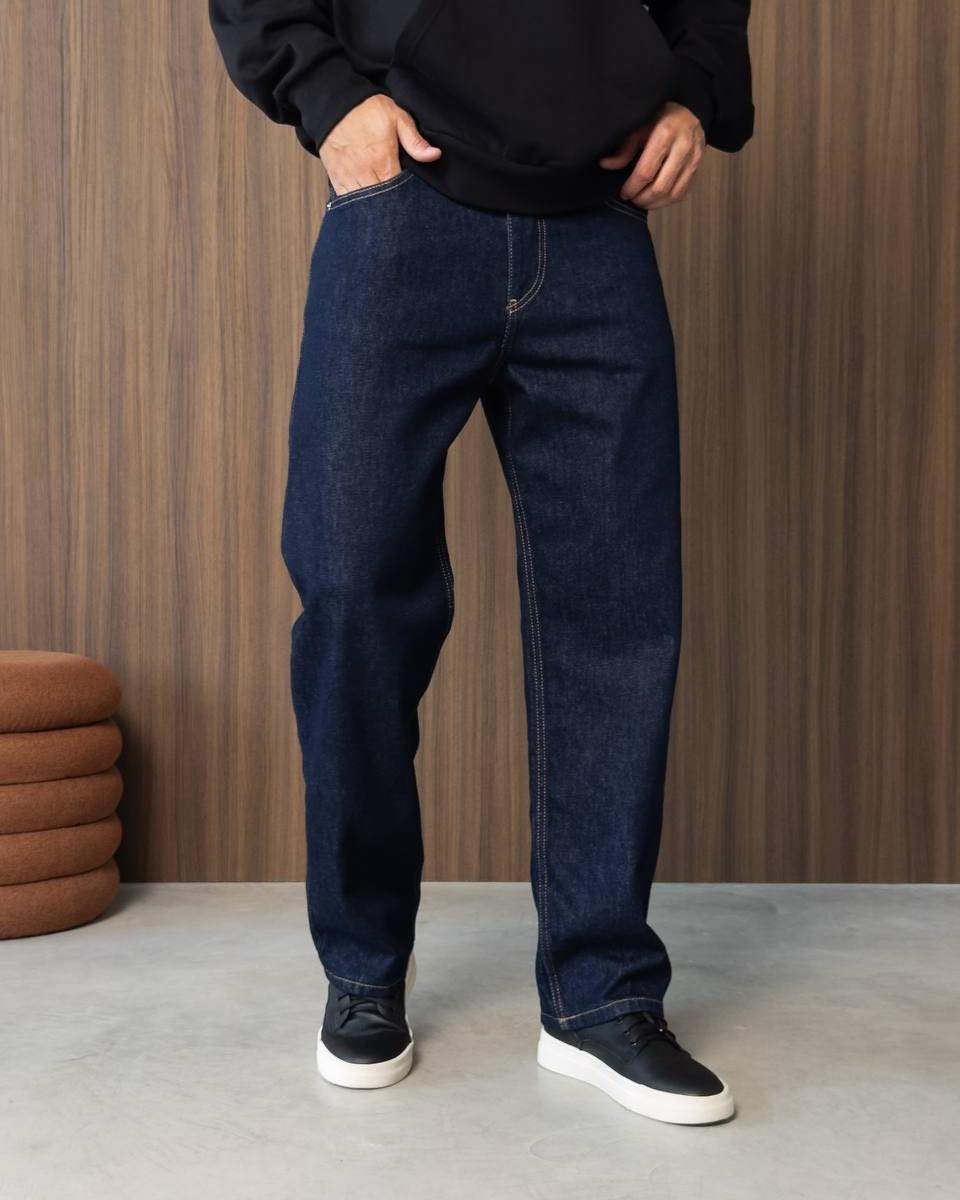
Dark denim with contrast stitching reads a notch dressier than faded jeans, and it pairs with nearly anything.
A black hoodie and black sneakers let the stitching be the one visible detail, since nothing else on the outfit competes with it.
I prefer a clean, even dark blue with no heavy fading or rips. Wear them with a plain sweatshirt for weekends, or swap in a sweater and leather shoes when the plan gets sharper.
3. Casual Shoes
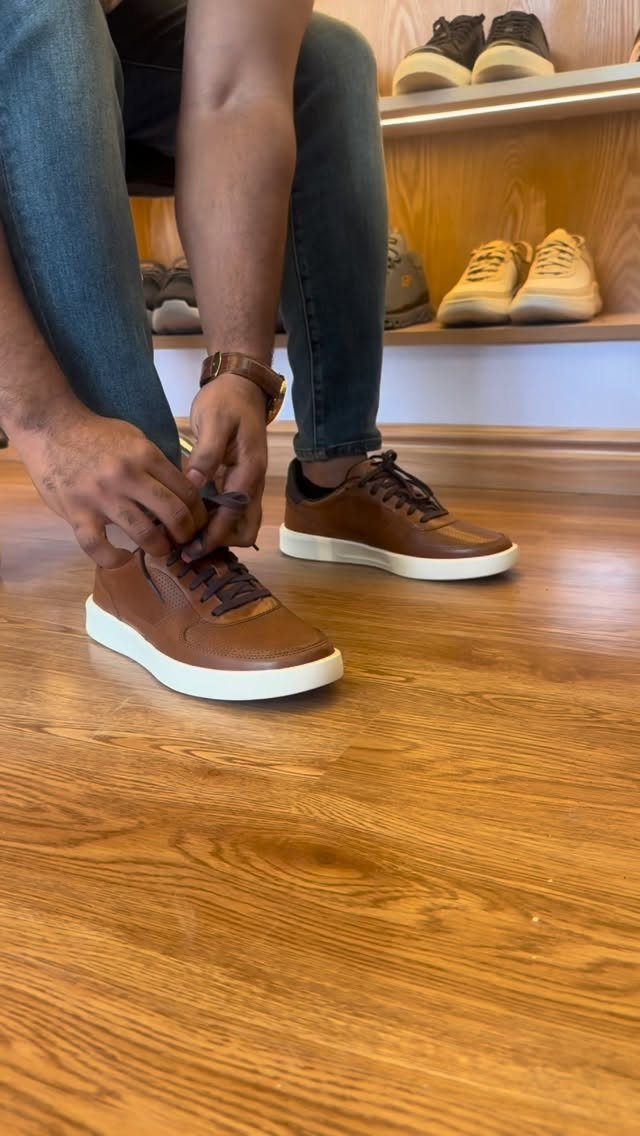
Casual shoes sit between a running shoe and a dress shoe, so they handle jeans, chinos and a casual blazer without looking out of place.
Leather also wipes clean, which suits a daily shoe. Keep the laces tidy and the soles white, because scuffed soles are what age a sneaker fastest.
Brown is easier to match than white or black.
4. Crew Neck Sweater
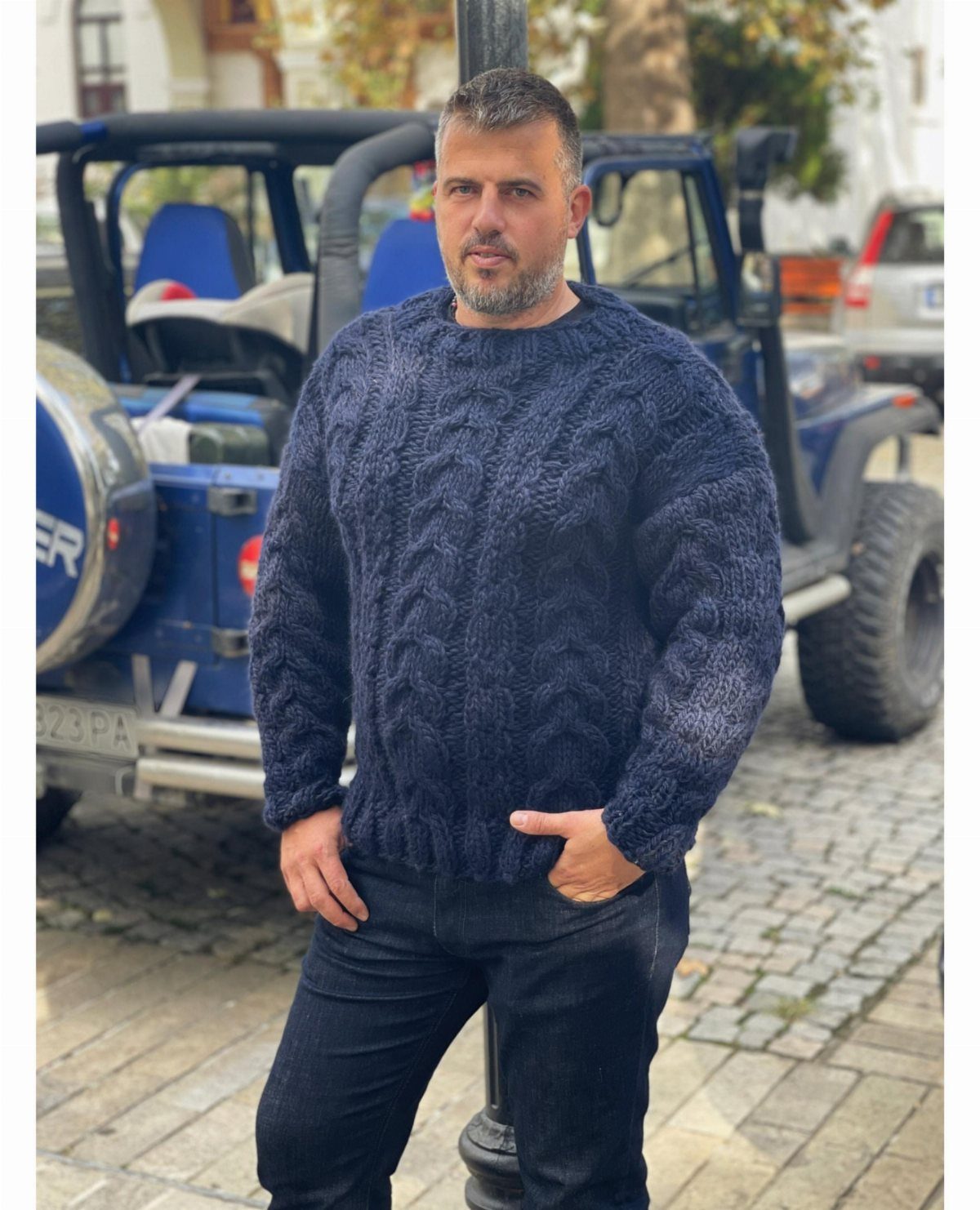
Thick cable knit gives a navy sweater texture without needing a pattern or a loud color. Worn over dark jeans, it goes together fast and looks deliberate.
Choose a crew neck that sits at the hip, not below it. Navy is the safe base: it works over a white or light blue collar, or alone with a plain tee underneath.
The cost is warmth. Chunky knit is for cool days, so skip it indoors in heated offices.
5. Pocket Squares
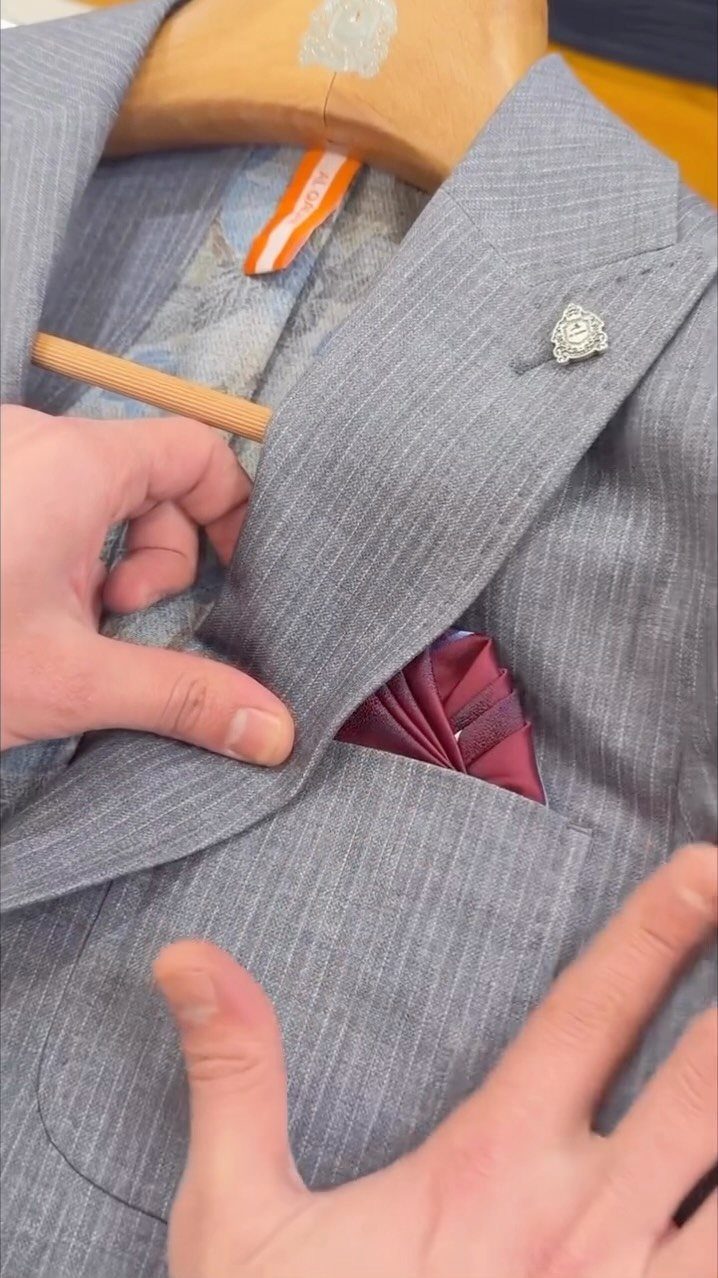
Burgundy against grey is a warm accent that never fights the fabric.
Fold it flat and let a small edge show above the pocket.
It should look placed, not stuffed. Skip a perfect match to your tie; I like squares that echo the tie’s color without copying its pattern.
6. Joggers
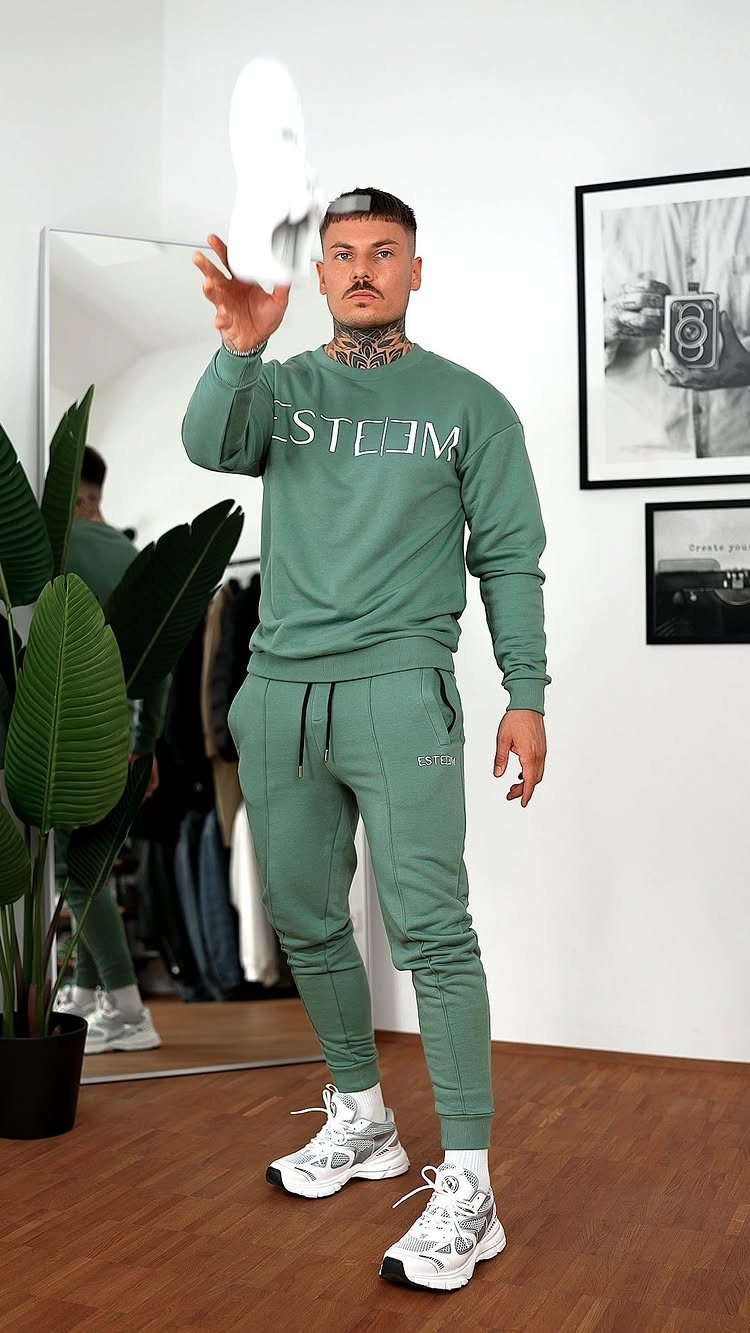
Joggers fit closer than sweatpants, with a tapered leg and cuffed ankle that make them look intentional.
A matching set in sage green keeps the outfit simple, and a soft color like that is easier to wear than black or bright shades.
The maker of this set wears size L at 1.80m and 85kg, a useful reference when you check size charts. Pair them with clean white sneakers.
Joggers suit errands and travel. Leave them home for the office.
7. Staple Jacket
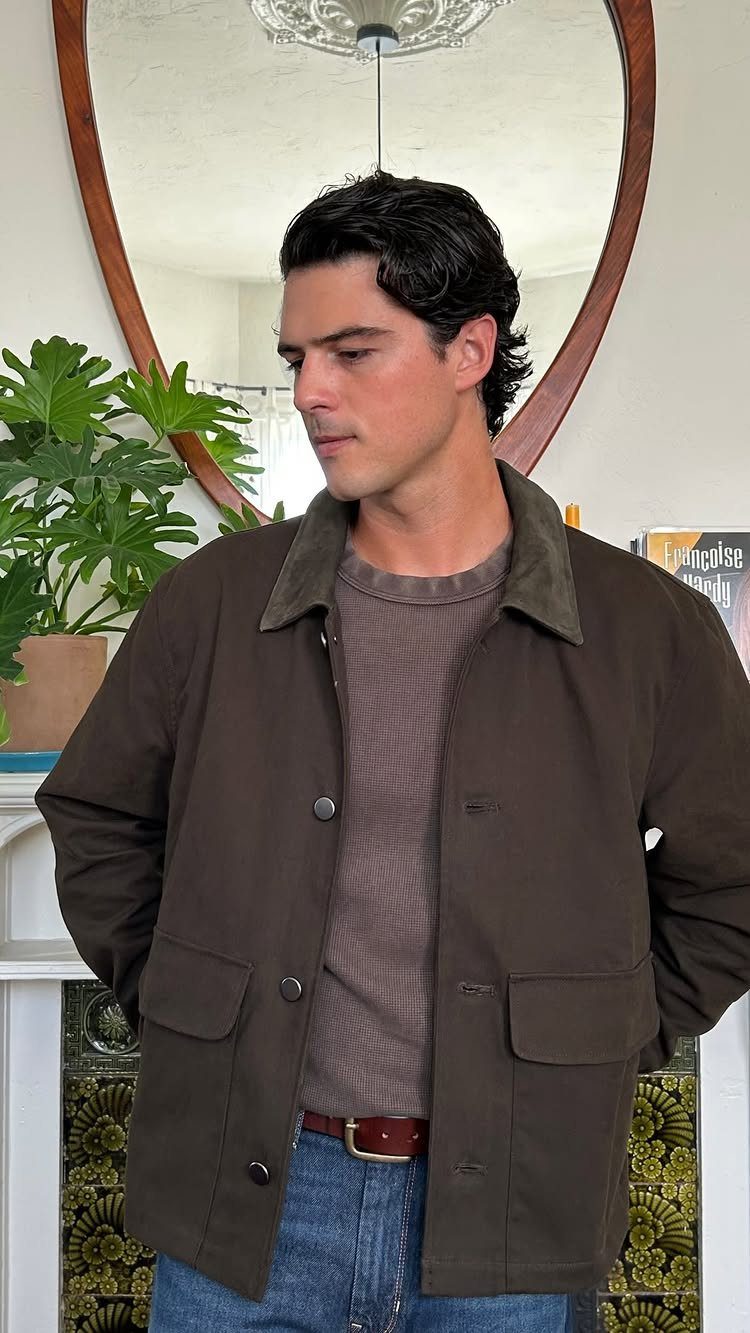
A utility jacket with a contrast collar does the work of a sweater’s best friend. The green collar frames the face and breaks up a brown-on-brown outfit, so a waffle-knit crewneck underneath never looks flat.
Keep the rest quiet: blue jeans and a brown belt are enough. I’d pick a jacket in a dark earthy shade over a bright one, since it matches more of what you already own.
Knitwear gets more use this way than as a holiday-only layer.
8. Button-Up Shirts
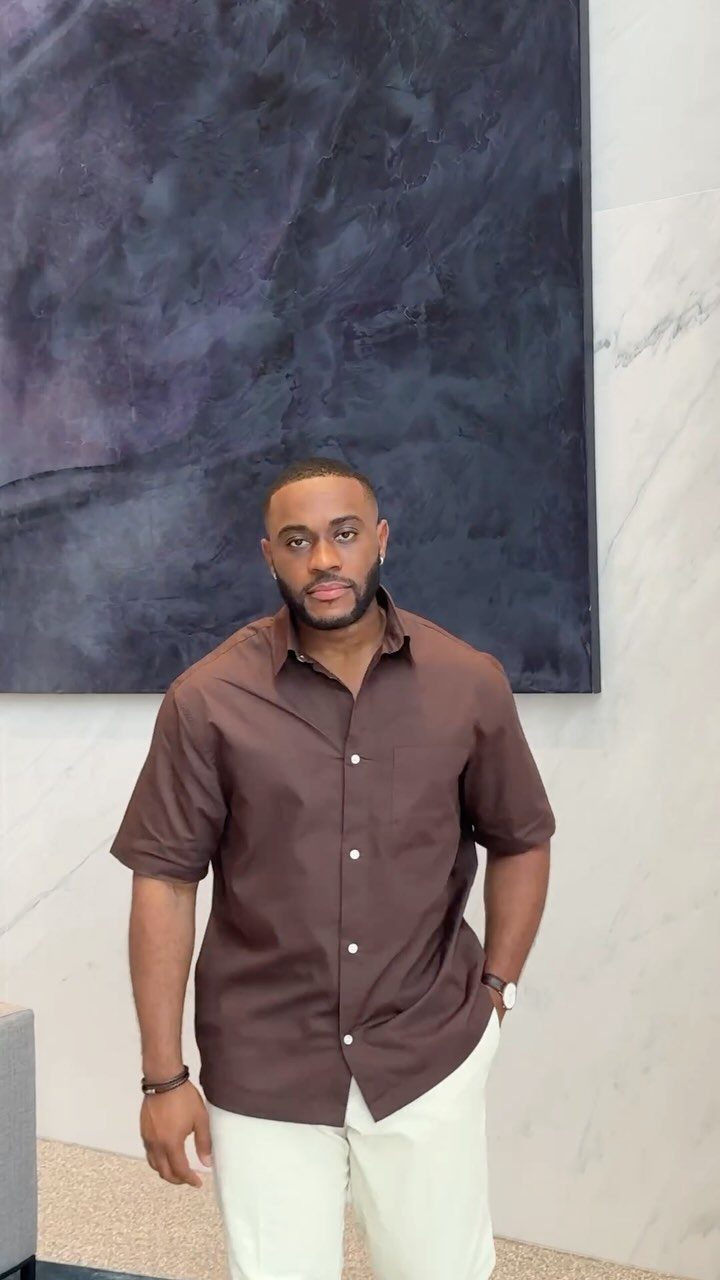
The contrast does the styling for you.
Wear the shirt untucked and loose for a relaxed day, or tuck it in with a belt when the plan calls for something smarter.
I like it in a plain fabric, because a quiet shirt lets the trousers and shoes carry the outfit.
One shirt, two moods. That is why it earns a spot in a basic wardrobe.
9. Chinos
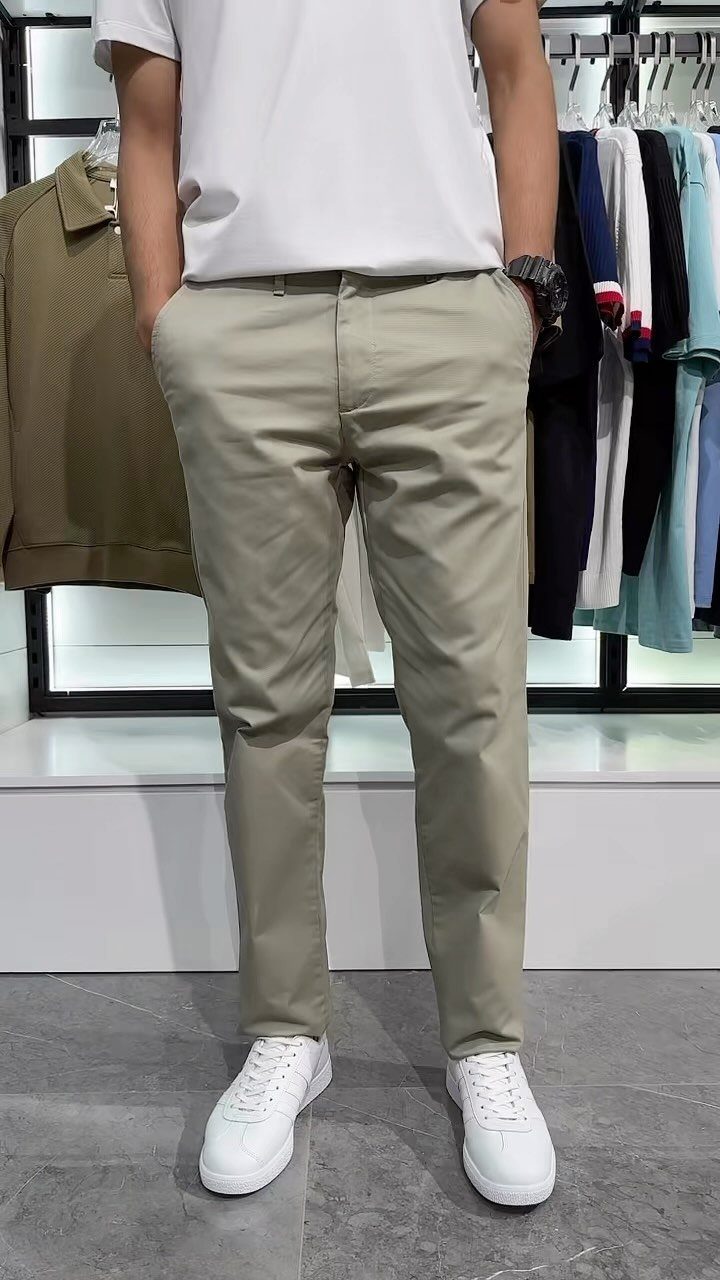
Khaki chinos are the easy swap when jeans feel too heavy. They sit between casual and dressy, so a plain white tee and white sneakers is all the outfit needs.
I’d start with khaki before any other shade. It matches nearly every shirt you own, and a clean pair looks sharper than faded denim.
Dress them up with a button-up and leather shoes, or keep them as they are. Check the break at the ankle; a clean, slightly short hem keeps the shoes visible.
10. Knit Polo Shirts

A ribbed knit polo in white, tucked into black tailored trousers, is a shirt-and-tie alternative that skips the tie.
The knit’s texture gives the polo some interest on its own, so a plain pairing never reads as flat and you can skip the pattern.
Choose a fit that follows your shoulders and chest without clinging. Tuck it in; an untucked polo with dress trousers looks unfinished.
Black trousers keep the contrast high and the look clean. White shows every mark, so keep a spare close.
11. Tailored Trousers
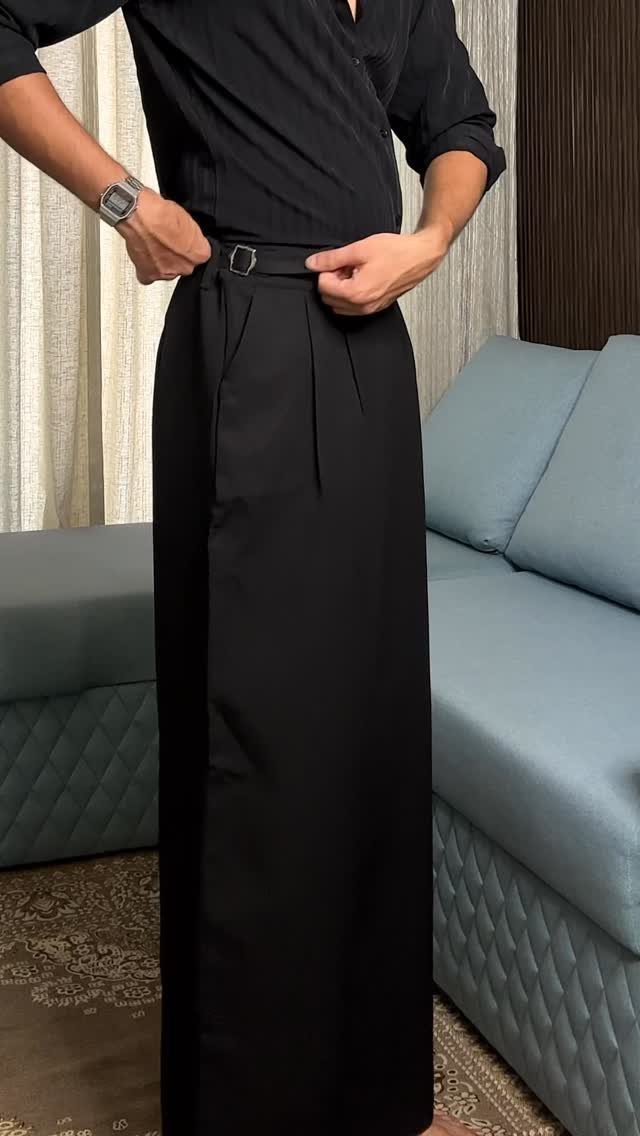
Pleated, high-waisted trousers in black change the whole line of an outfit. The rise lengthens the leg, and the pleats give room through the hip, which suits men with stronger thighs.
Tuck in a fitted top and keep the waist clean, so the trousers do the work.
Going all black stays sleek, and I’d choose a shirt that sits close to the body so the fuller trouser has something to balance against.
Wear them to dinner, events, or the office.
12. Oversized Zip Hoodie
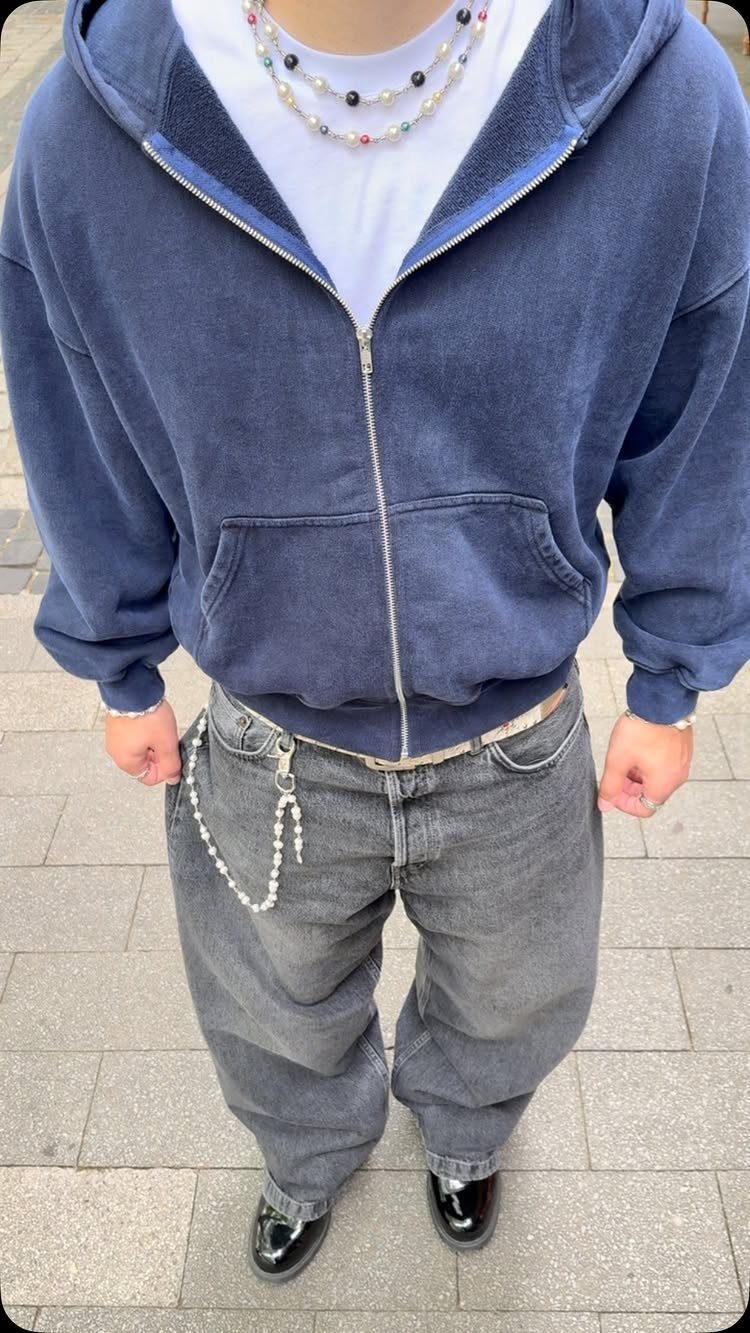
An oversized zip hoodie in navy works because the white tee underneath opens up the front and gives the outfit a clean edge. Zip it halfway and let the tee show.
Baggy jeans in grey match the loose cut, so the whole silhouette feels planned. I like keeping the colors to navy, white and grey and letting one accessory, like a chain, be the detail.
Oversized only works when everything is loose on purpose. Mixing it with skinny jeans looks off.
Importance of Quality
Fabric and construction decide how a piece ages. Look at the fiber content on the label first: wool, heavy cotton and full-grain leather hold their shape and color far longer than thin blends.
Then check the seams and buttons. Tight, even stitching and buttons sewn on with a shank survive years of wear, while loose threads usually mean the garment will not.
Spend more on the pieces you wear weekly, and less on the ones you wear a few times a year. A cheaper item you wear 100 times beats an expensive one that sits in the closet.
Avoiding Trends
Shoes are the best place to start spending. Your feet stay the same size while the rest of your body changes with your career, so a good pair keeps its value.
A pair at $400 to $500 can last a decade or more.
Shoes at $50 to $60 tend to wear out about once a year because of thinner materials, so the cost evens out over time and the cheaper pair looks worse along the way.
If the answer is no, pass. Plain colors, classic cuts and natural materials stay wearable long after loud logos and odd silhouettes fade.
Layering Techniques
Build layers from thin to thick, and keep the thinnest layer closest to your skin. A fitted base, a mid-layer for warmth and an outer layer for weather give you 3 pieces you can adjust through the day.
Each layer should be slightly longer or looser than the one under it, or the same length at most. Sleeves that bunch at the wrist are the usual sign of one layer too many.
In cold months, wool or fleece in the middle traps heat well. In spring and fall, swap that for a light knit you can take off when the afternoon warms up.
Frequently Asked Questions
How to have good style for men?
Start with fit and a few plain pieces that mix well: a navy suit, dark jeans, a white shirt and brown leather shoes.
Classic cuts, solid colors and natural fabrics keep working years after logos and odd shapes have gone out of style.
What is the 3-3-3 rule in fashion?
It means keeping three tops, three bottoms and three pairs of shoes so everything you own can be mixed.
The idea works best with neutral colors like navy, white, grey and khaki, because nearly every piece then goes with every other.
How can I start a men’s wardrobe from scratch?
Begin with a navy suit, white shirts and versatile shoes. Then add dark jeans, khaki chinos and brown leather shoes, which handle most days and dressier plans.
How do I check if a piece of clothing is good quality?
Read the fiber content first: wool, heavy cotton and full-grain leather hold their shape and color far longer than thin blends.
Then look at the seams and buttons. Check the seams: even, tight stitches and shank-sewn buttons tend to last for years, and loose threads mean the piece won’t.
Where should I spend the most money on my clothes?
Shoes come first. Good shoes at $400 to $500 can run a decade or longer, and a $50 pair usually needs replacing within a year.
How do you layer clothes properly?
Start with a thin fitted layer against the skin, add a warm mid-layer, then finish with something that handles the weather. Sleeves bunching at the wrist usually mean one layer too many.