Spring pieces in this list range from beige linen trousers and a casual raglan shirt, which need almost no thought, to a casual sportcoat and pleated pants that ask for more care with proportion.
The weather where you live decides which ideas are yours: if mornings are cool and afternoons are not, a brown suede overshirt or a cropped worker jacket gives you a layer that comes off easily, while a hot stretch calls for linen and shorts.
1. Boat Shoes
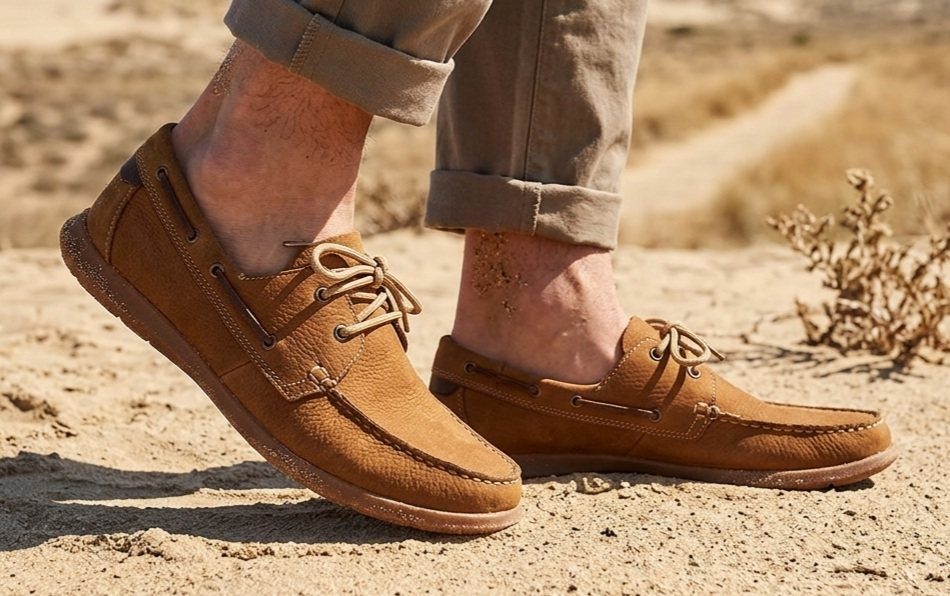
Brown leather boat shoes with rolled khakis is the oldest warm-weather pairing there is, and it still works. Roll the cuffs once or twice so the ankle shows; the shoe looks lighter that way.
I skip socks here. If that bothers you, no-show liners keep the look clean without a sock line breaking the ankle.
Leather in a mid-brown goes with khaki, navy and white, so one pair covers most of your spring pants.
2. Overshirt
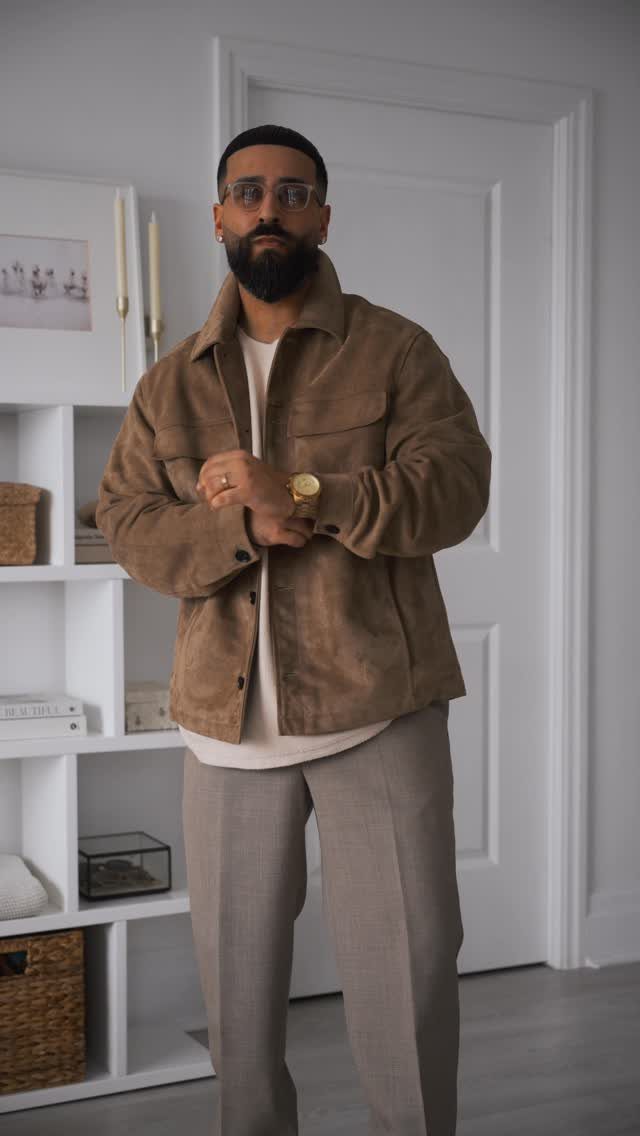
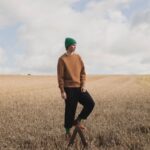
A brown suede overshirt does the job of a jacket without the weight, which is why it suits weeks when mornings are cool and afternoons are not.
Worn open over a plain tee, it adds a layer and a texture in one move.
Keep everything underneath simple. A white or beige tee with grey or taupe trousers lets the suede carry the outfit.
I would pick brown over black. It is warmer, easier to mix, and far less stiff-looking.
3. Suede Chukka Boots
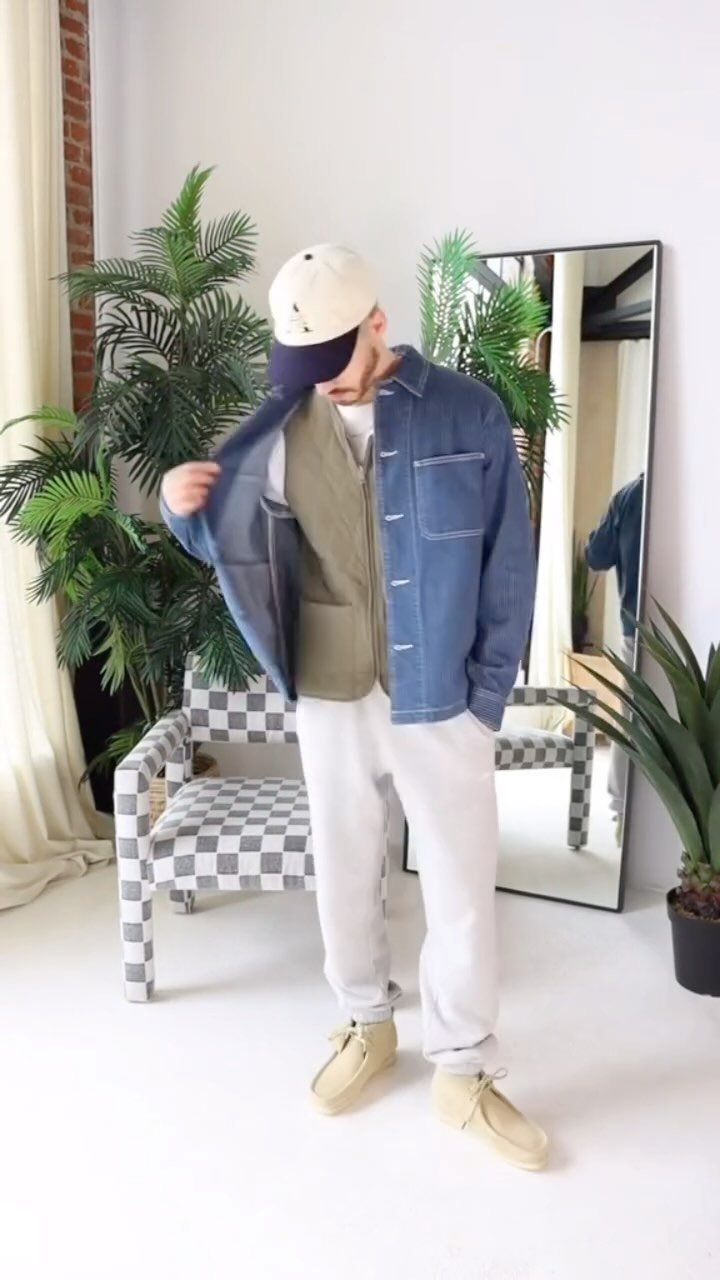
Once daylight saving time starts, thick leather boots can feel too heavy for the weather, and a suede chukka is the lighter pair I’d reach for.
Tan suede keeps the ankle-high shape but looks softer and lighter, especially against white pants or denim.
Drake’s Crosby Suede Chukka Boots are one version to look at if you want a name to start with.
Suede marks easily, so a brush and a protective spray are worth buying with the boots. Skip them on rainy days.
4. Linen Shirt
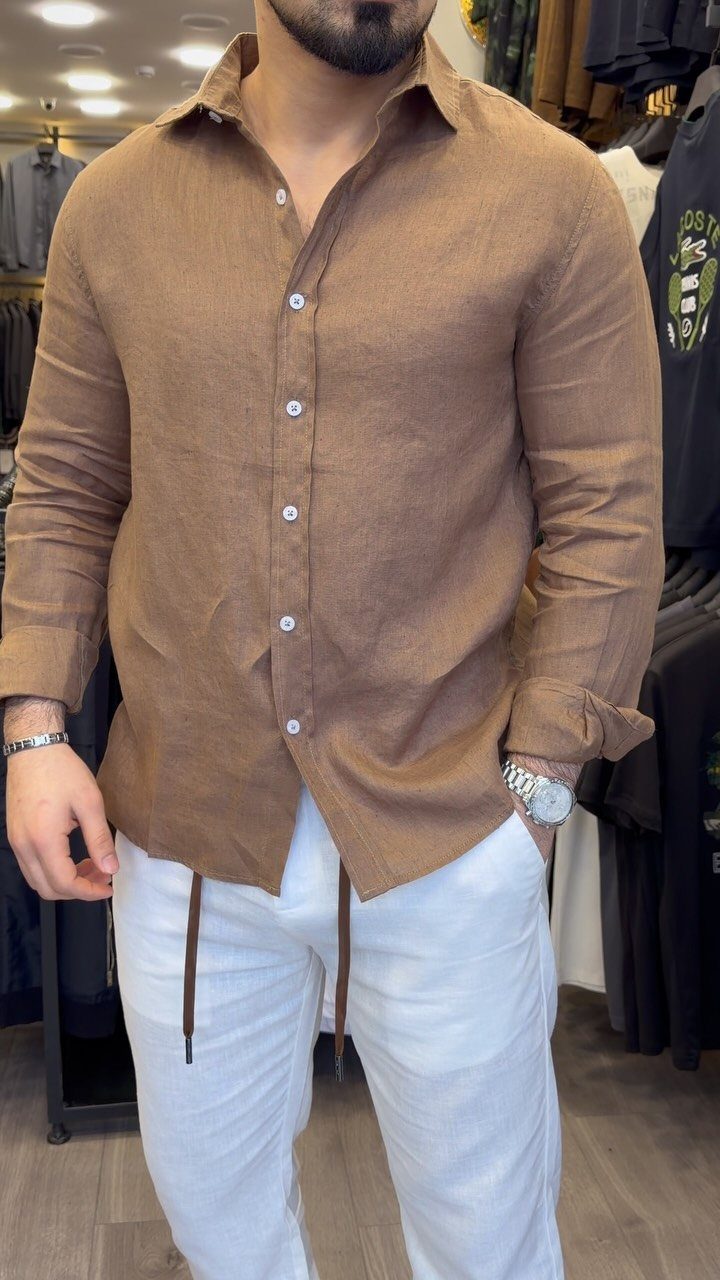
Linen is the fabric I reach for when the temperature climbs, and a light brown button-down wears better than white because wrinkles hide in the color. Wear it untucked with the sleeves long or rolled to the forearm.
Pair it with white linen trousers for a head-to-toe warm-weather outfit, or with chinos if you want something less relaxed.
Expect creases. They are part of the look, so don’t fight them with heavy ironing.
5. Casual Sportcoat
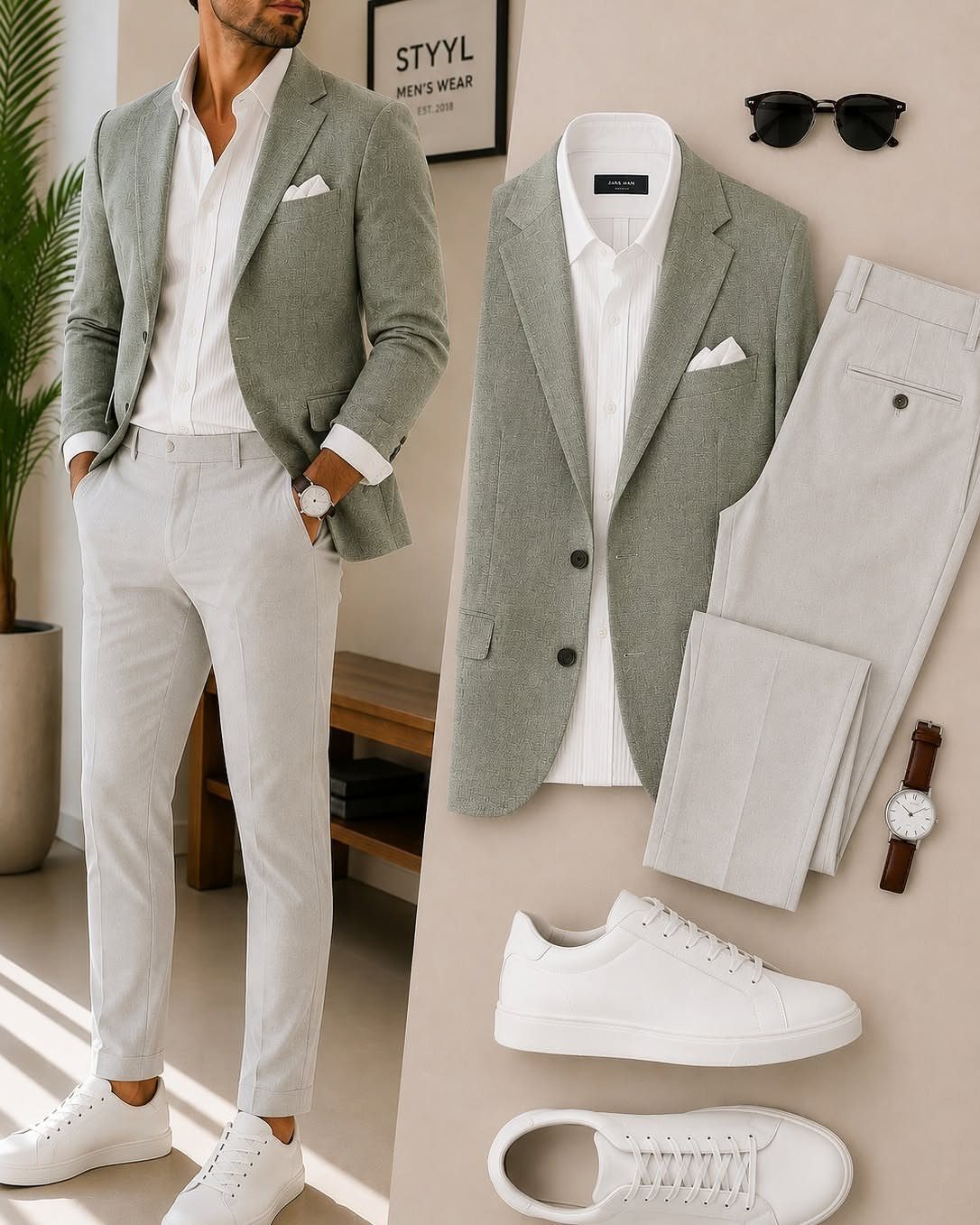
A sage green sportcoat is the quickest way to dress up a casual outfit without wearing a suit. Light grey trousers and a white shirt keep it calm, and white sneakers stop it from feeling formal.
Choose an unstructured jacket if you can. Less padding means it sits like a shirt rather than armor.
Add sunglasses and a simple watch, and the outfit is finished. It works for dates and relaxed offices alike.
6. Cropped Worker Jacket
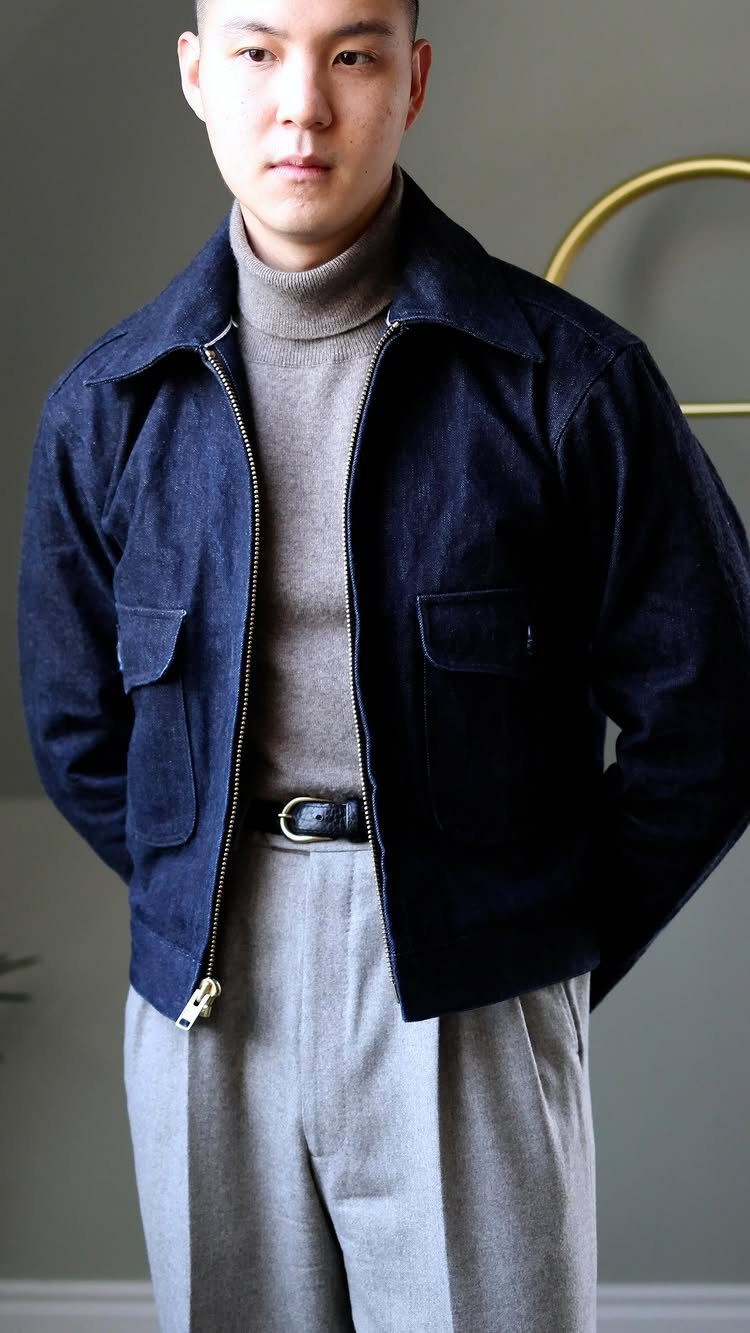
A cropped worker jacket in dark navy ends near the waist, so it shows off your trousers instead of hiding them. That makes it a smart match for high-waisted, pleated pants in light grey.
Layer it over a grey turtleneck for the cooler days of early spring. Take the sweater off and it still works over a tee.
Shorter men benefit most, since the cropped hem adds visual leg length. Taller men should check the sleeves aren’t short too.
7. Pleated Pants
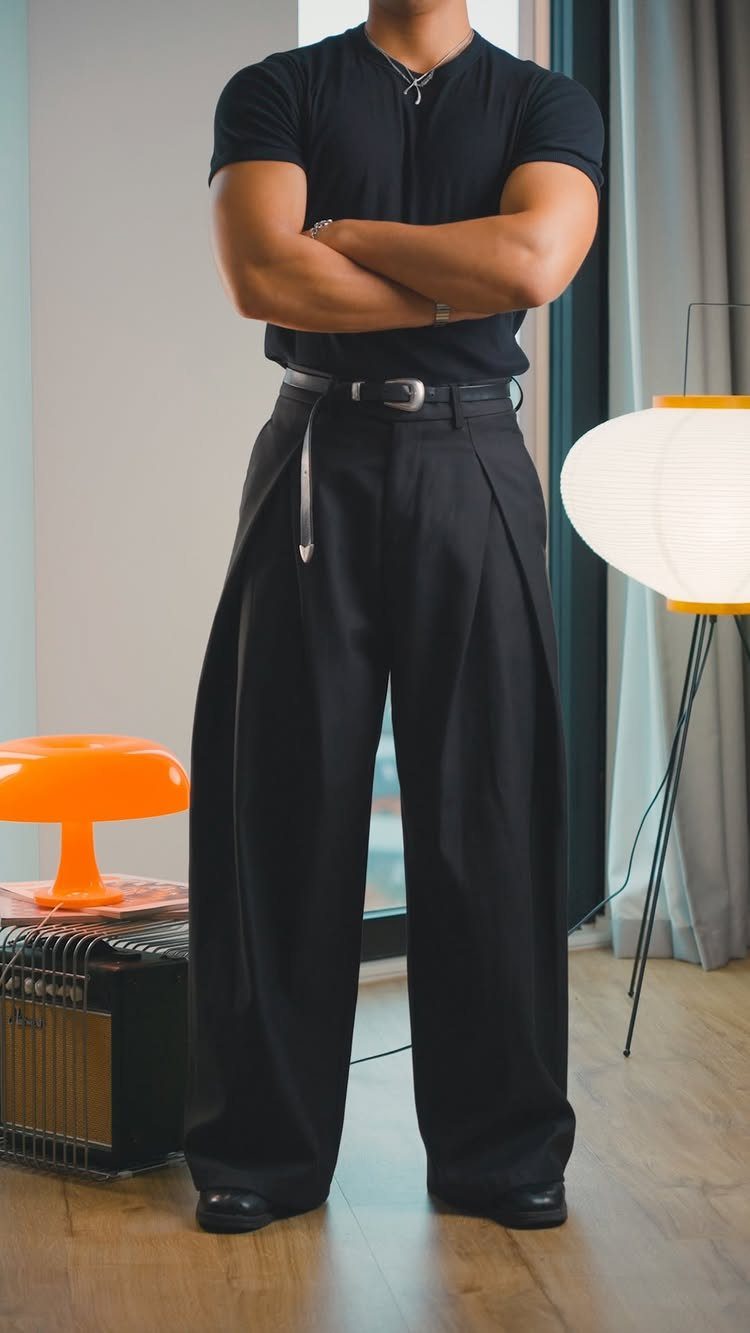
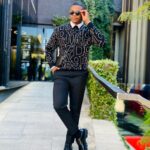
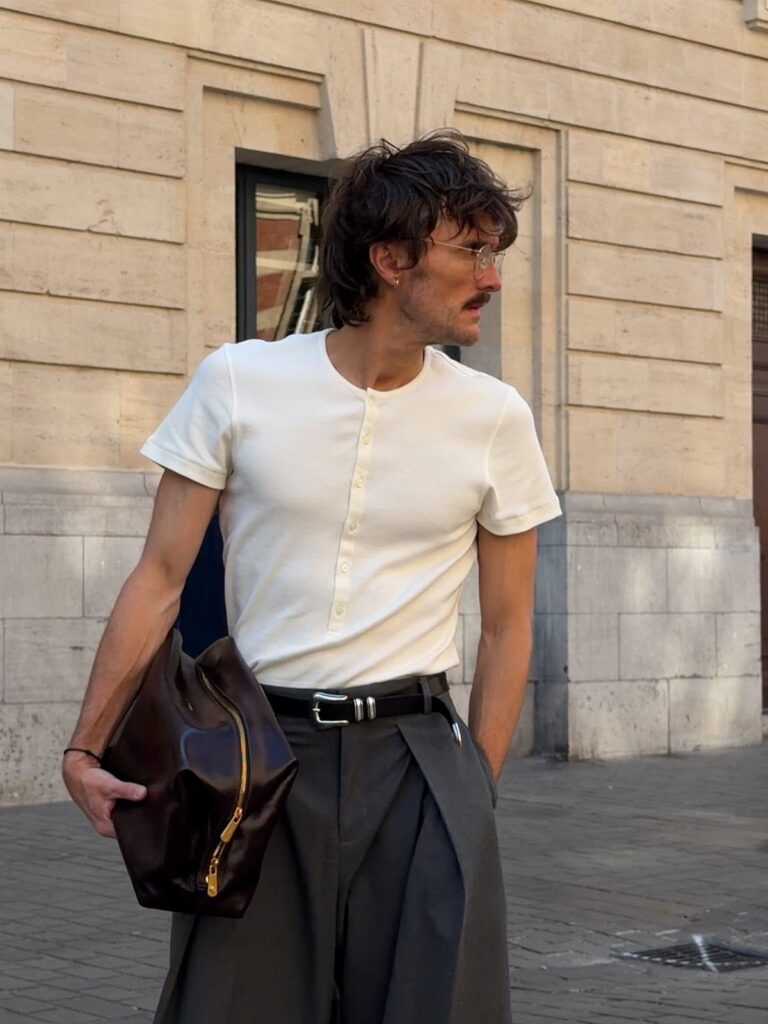
Wide-leg pleated trousers in black bring back a cut that fell out of favor for years. The pleats give the thigh room and the leg falls straight, so the pants hang instead of cling.
Belt pleated pants at the natural waist, just above the navel, and pair them with a fitted tee so the roomy leg has a clean, snug top to balance it.
The fuller leg needs a slimmer top to keep the proportions balanced.
Black is the easiest color to start with: the look stays simple while the cut does the talking.
8. Brown Suede Jacket
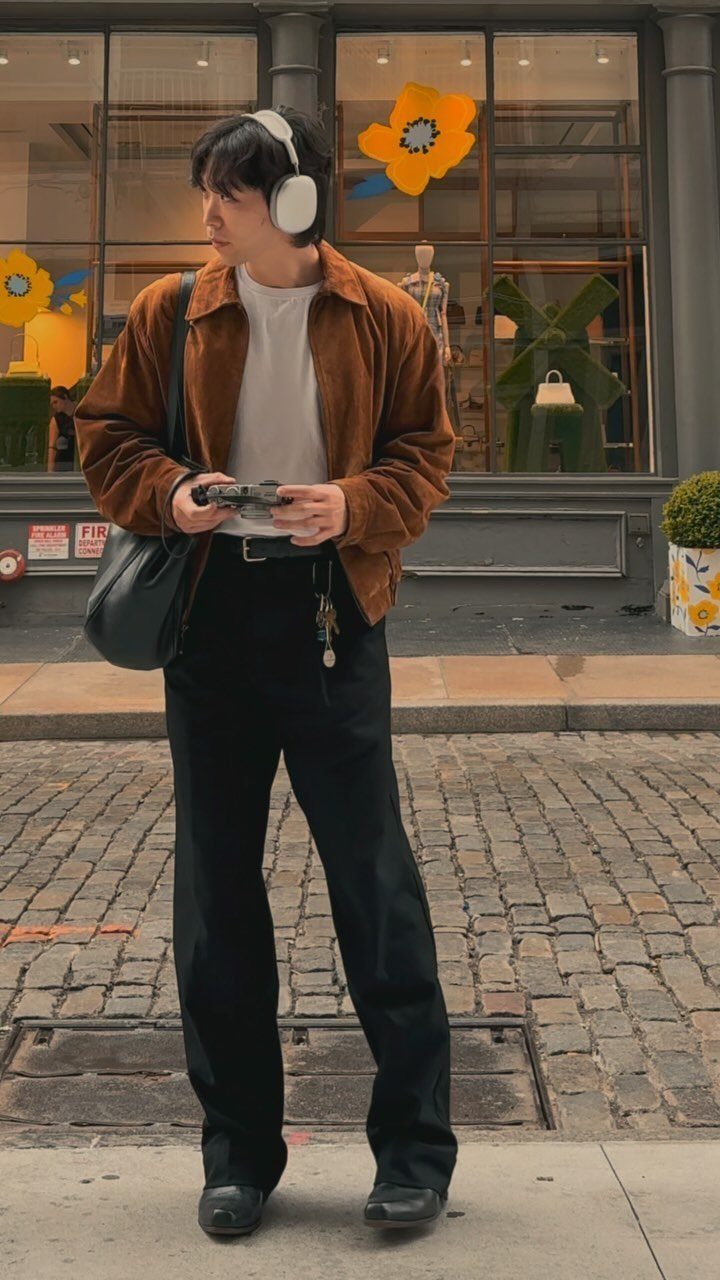
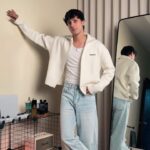
Brown suede over a white tee and black trousers is a high-contrast combination that stays easy to wear. The white shirt lifts the dark pants, and the suede adds warmth between them.
Black shoes finish the outfit and match the trousers, so nothing competes with the jacket. Keep the tee plain and the trousers slim or straight.
Suede marks easily, so I would skip it on wet days.
9. Beige Linen Trousers
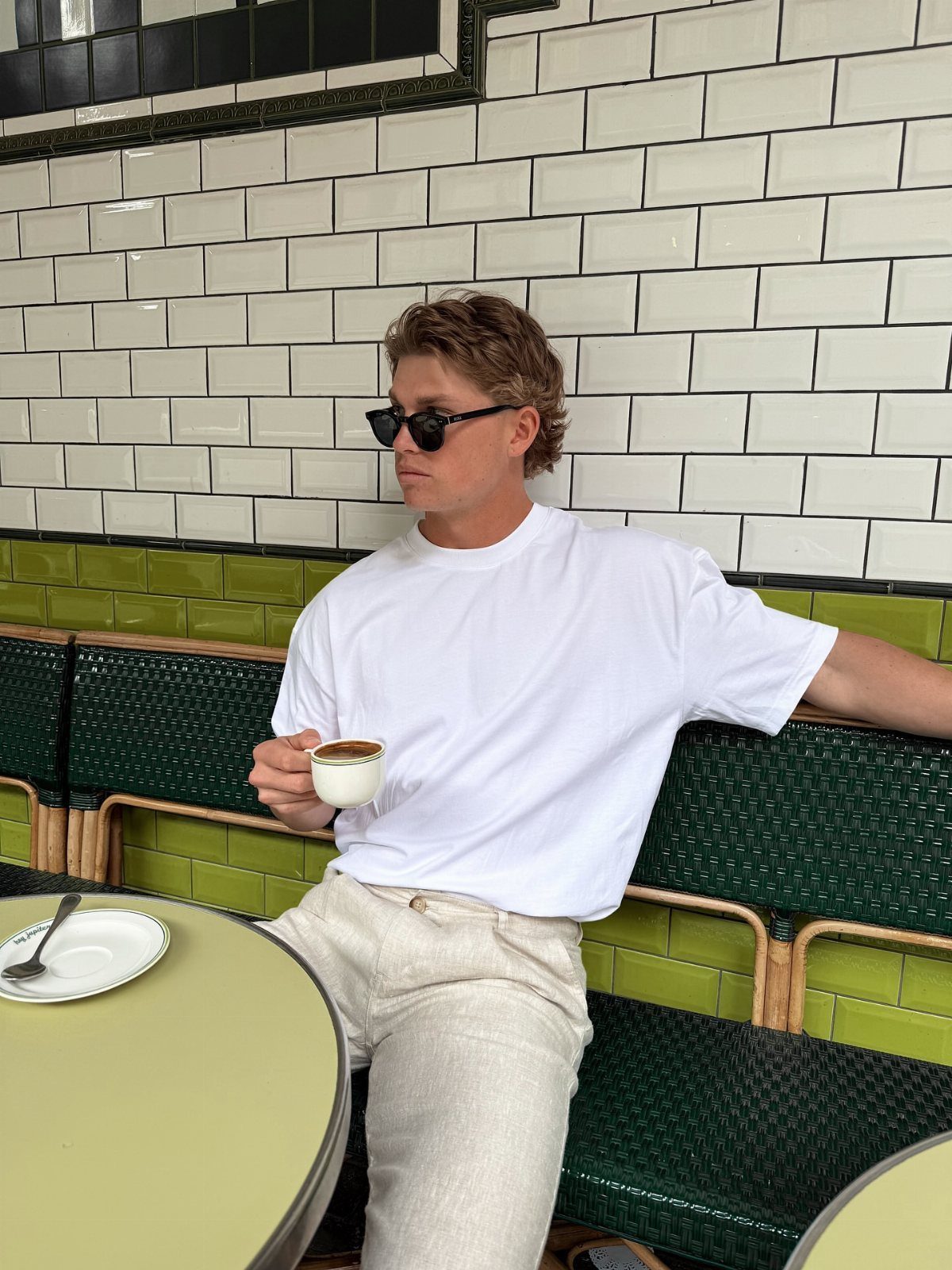
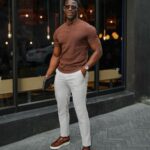
Beige linen trousers and a plain white tee make an outfit that needs almost no thought. Both pieces are light in color and loose in weave, so the look stays calm even in strong sun.
Choose a relaxed leg that doesn’t cling to the thigh, and expect wrinkles by midafternoon. Sunglasses are the only extra I’d add.
For shoes, white sneakers or brown loafers both work, depending on how dressed up you want to be.
10. Olive Cargo Pants
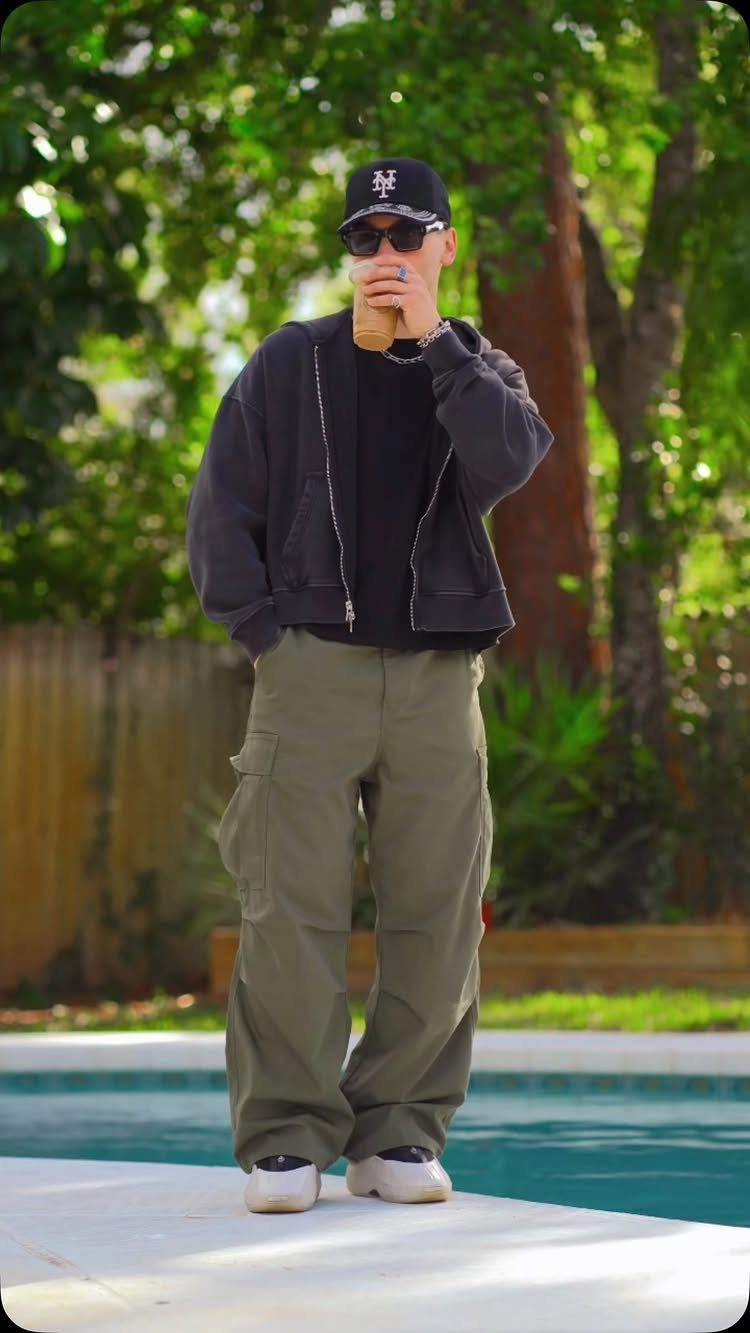
Olive cargo pants in a wide leg look best when everything above them stays dark and simple. A black tee under a lightweight zip-up jacket, with a black cap, lets the olive be the one color that stands out.
Pockets add bulk, so I would pick a pair that hangs loose without being baggy. Sneakers keep the shape casual.
The jacket is the layer for cooler mornings; the cap and sunglasses handle the sun.
11. Casual Raglan Shirt and Shorts
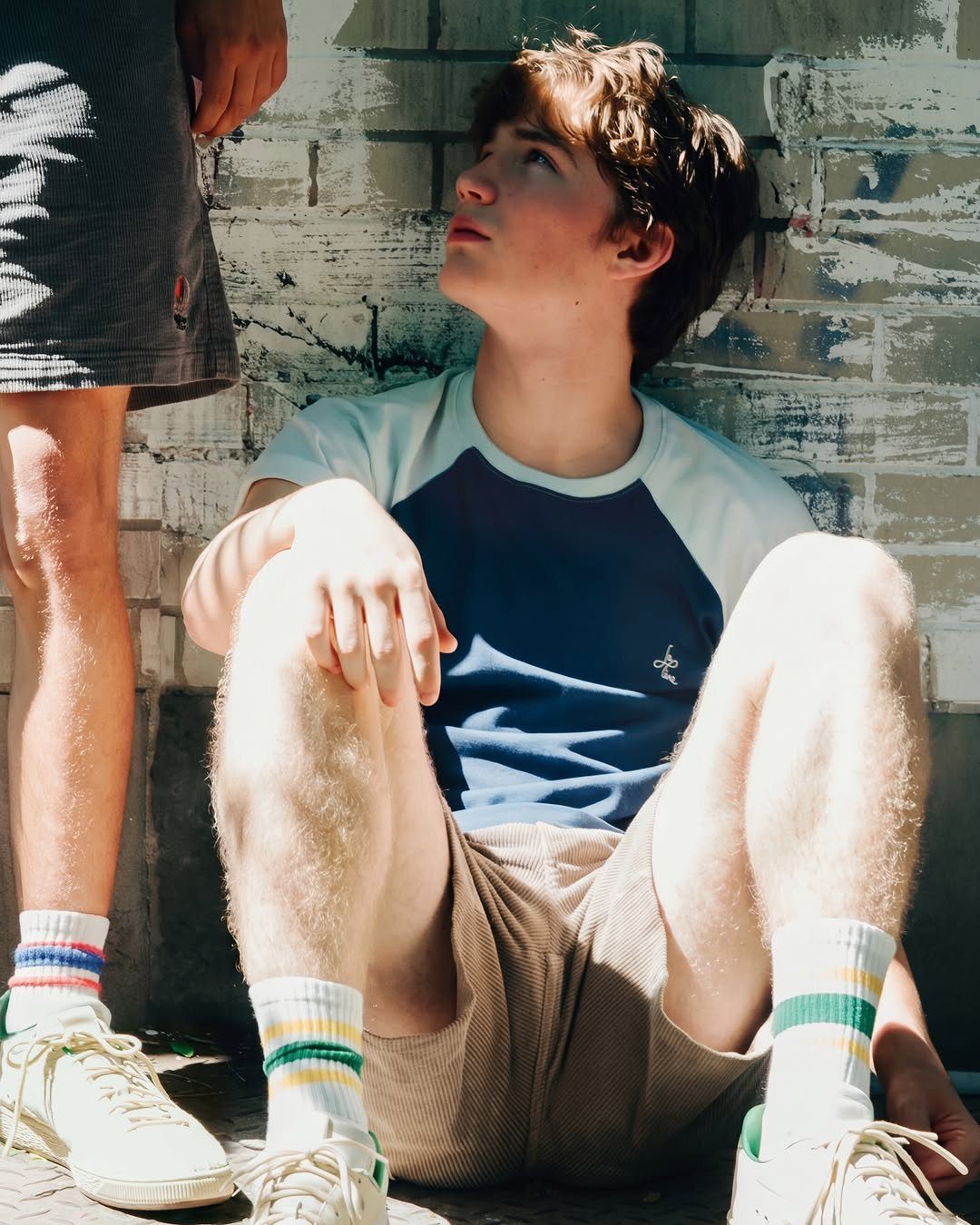
A raglan tee in blue and white has seams that run diagonally from collar to underarm, which gives the shoulders a sporty, relaxed line. Tan shorts keep the palette soft and easy.
Striped socks with sneakers add a little personality without extra effort. Keep the shorts to a casual length and the tee clean and well fitted.
This is a weekend outfit, not an office one, and it’s cheap to build from a few basics.
Spring Footwear Choices
Canvas sneakers are the easiest spring shoe to wear. For sneakers or low-top canvas shoes, white or cream is the safest color, because it sits comfortably next to jeans, chinos, and shorts alike.
Suede loafers in tan or brown suit earth tones and chinos. Pick an unlined pair, since warm weather makes a lined shoe feel heavy.
Closed-toe dress shoes still have a place, but keep them for smart-casual days.
Boat shoes belong anywhere near water, with shorts, or with linen. They came back because men want easy clothes, and they sit well beside other relaxed, unstructured pieces.
Layering for Spring Comfort
A plain tee or a slim long-sleeve shirt makes the best first layer, as long as it fits close to the body without clinging. Fitted matters, because everything on top needs a clean surface to sit on.
Over it goes a thin sweater, ideally cotton or fine merino, that comes off easily once the afternoon warms up.
Color affects comfort too.
In direct sun, light colors reflect heat and stay cooler, while dark fabrics soak it up. If the afternoon will be sunny, put the lighter pieces on the outside.
Spring Color Palette
Build the outfit on navy, gray, khaki, cream and white. These neutrals last, and nearly everything sits well on them.
Then add one accent. Soft sage, olive drab, rust, mustard and pale yellow all bring warmth without the weight of a dark jewel tone.
Save bold color for a single piece, either the shirt or the shorts, and let everything else stay quiet.
Pastels are worth a try, too.
Pastels are simply softer takes on stronger colors, and they sit well beside earth tones like tan, olive, and brown, much as blossoms look against dark soil. A pale blue shirt with khaki is an easy first attempt.
Frequently Asked Questions
What are spring clothes for men?
Spring clothes are light, breathable pieces you can layer: cotton or linen shirts, a plain tee, a thin cotton or fine merino sweater, and an overshirt or sportcoat in place of a heavy jacket.
Light shoes like canvas sneakers, suede loafers and suede chukkas replace winter boots.
What to wear during spring?
Start with a close-fitting tee or slim long-sleeve shirt, add a thin sweater that comes off easily, and wear breathable fabrics like cotton and linen.
Mornings run cool and afternoons warm up, so layers you can remove matter more than any single piece. Sun-soaked days favor pale outer layers, because light fabric bounces heat back while dark cloth absorbs it.