The ideas here run from free changes, like tucking in your top, to a tailor’s bill for a blazer or trousers, and most of them come down to fit rather than a new wardrobe.
Which one to start with depends on what looks oldest in your closet right now: if the jeans haven’t changed in years, start with the right denim, and if the pants are shapeless, start with tailored trousers.
4 layers is where I would stop, since more adds bulk at the shoulders.
1. Comfortable Sneakers
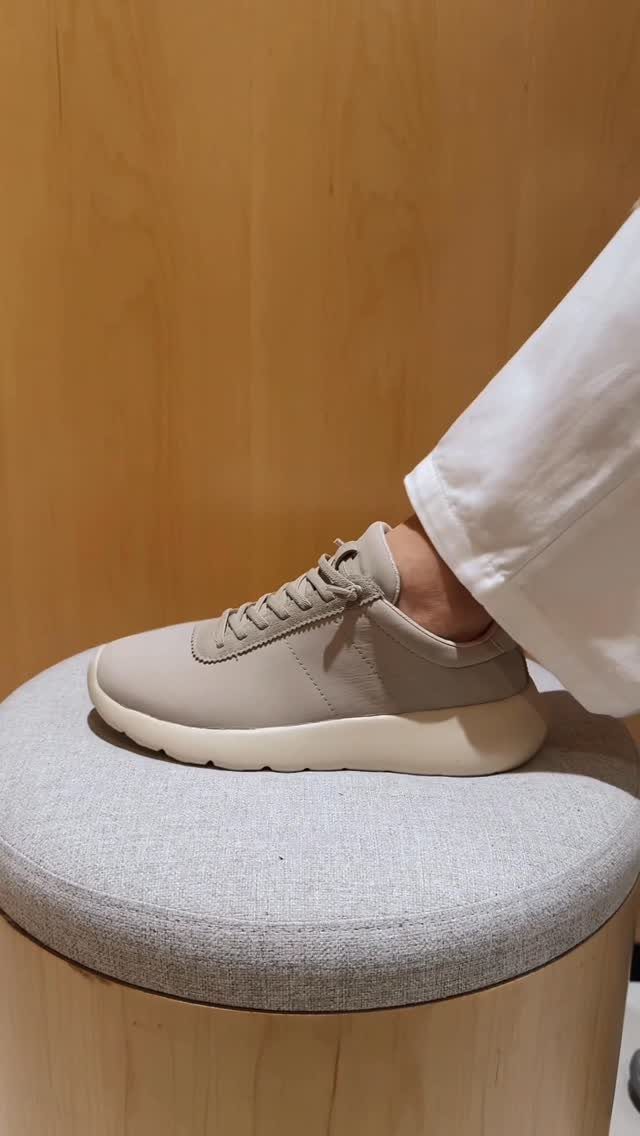
A beige leather sneaker with white trousers is a quiet pairing, and I like it because nothing competes with the shoe.
Leather holds its shape better than mesh, and a neutral shade blends with most of what hangs in a closet.
Keep the sole clean and the profile slim. Chunky athletic styling pulls the eye down, while a low, simple shape looks like part of the outfit.
Wear them with trousers that end at or just above the ankle so the shoe stays visible.
2. Layering Pieces
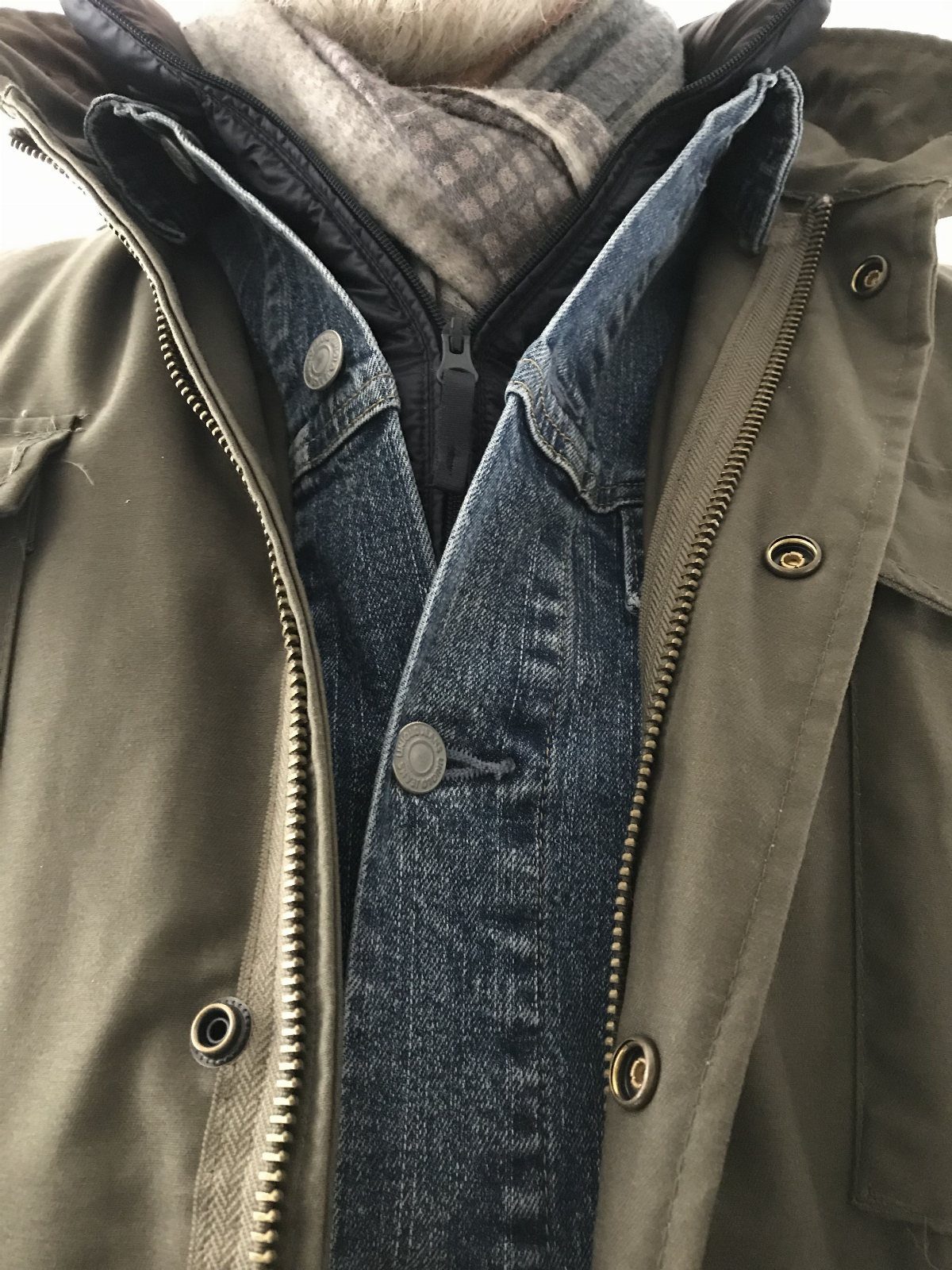
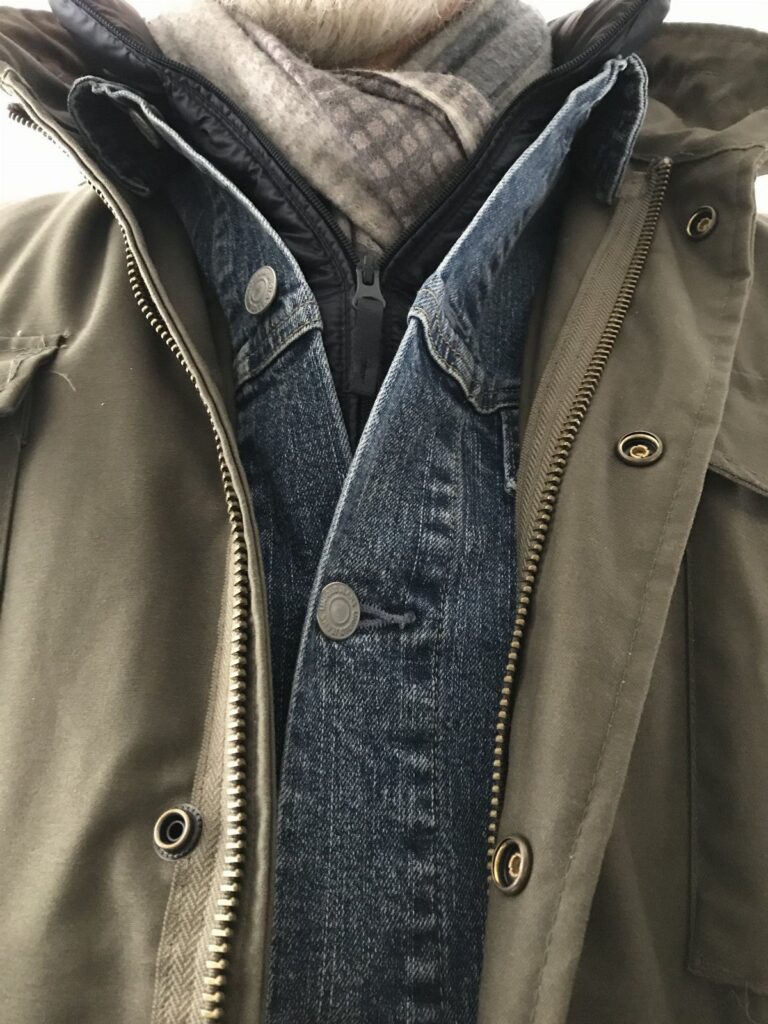
Several thin layers beat one heavy coat, because you can peel one off when the day warms up.
An olive field jacket over a denim jacket, with a black vest and a patterned scarf, shows the logic: each piece works alone.
Start with the lightest piece closest to you and put the bulkiest on the outside. Keep the colors in one family, such as olive, blue and black, and let the scarf carry the pattern.
The cost is bulk. Too many layers add width at the shoulders, so I would stop at four.
3. Tailored Trousers
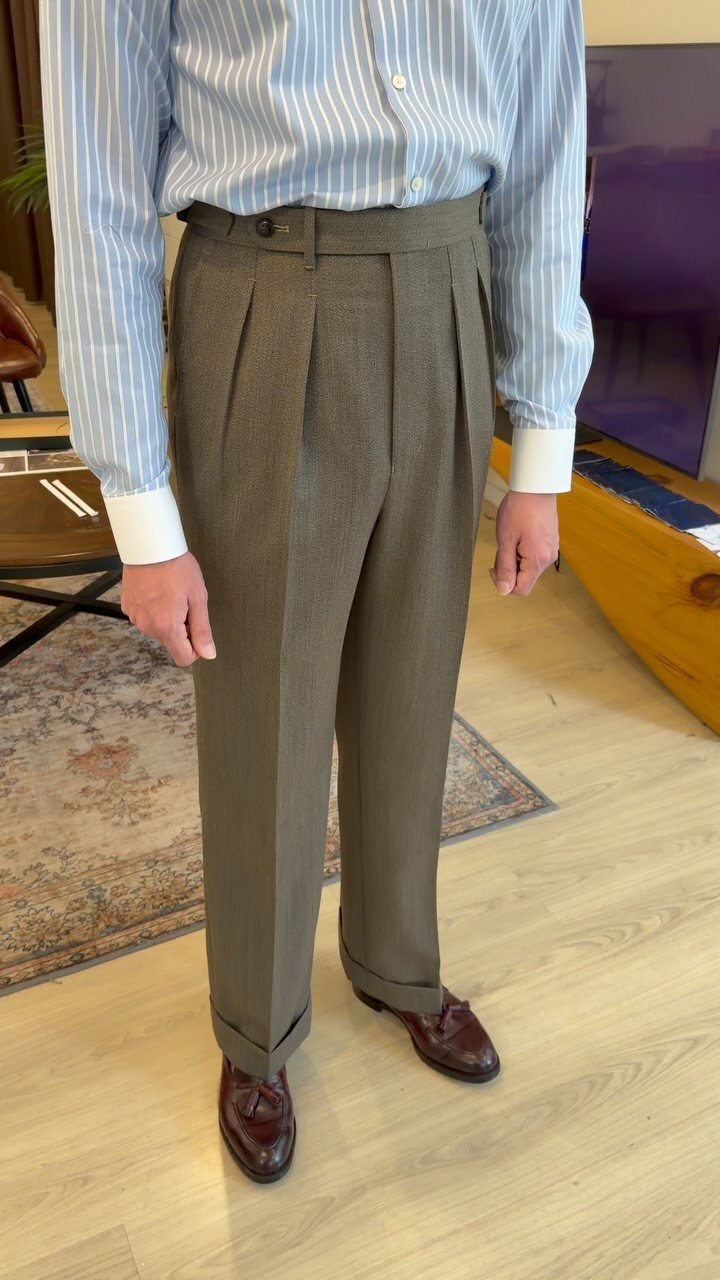
Trousers that fit at the waist and fall cleanly to the shoe do more for a polished look than any top.
Pleats and a high waist give room through the hip and thigh, which is where comfort is won or lost.
Have the waist fitted first; hems are cheap to change. A cuff adds a little weight so the leg hangs straight.
Pay more for fit, not for a label.
4. Reliable Blazer
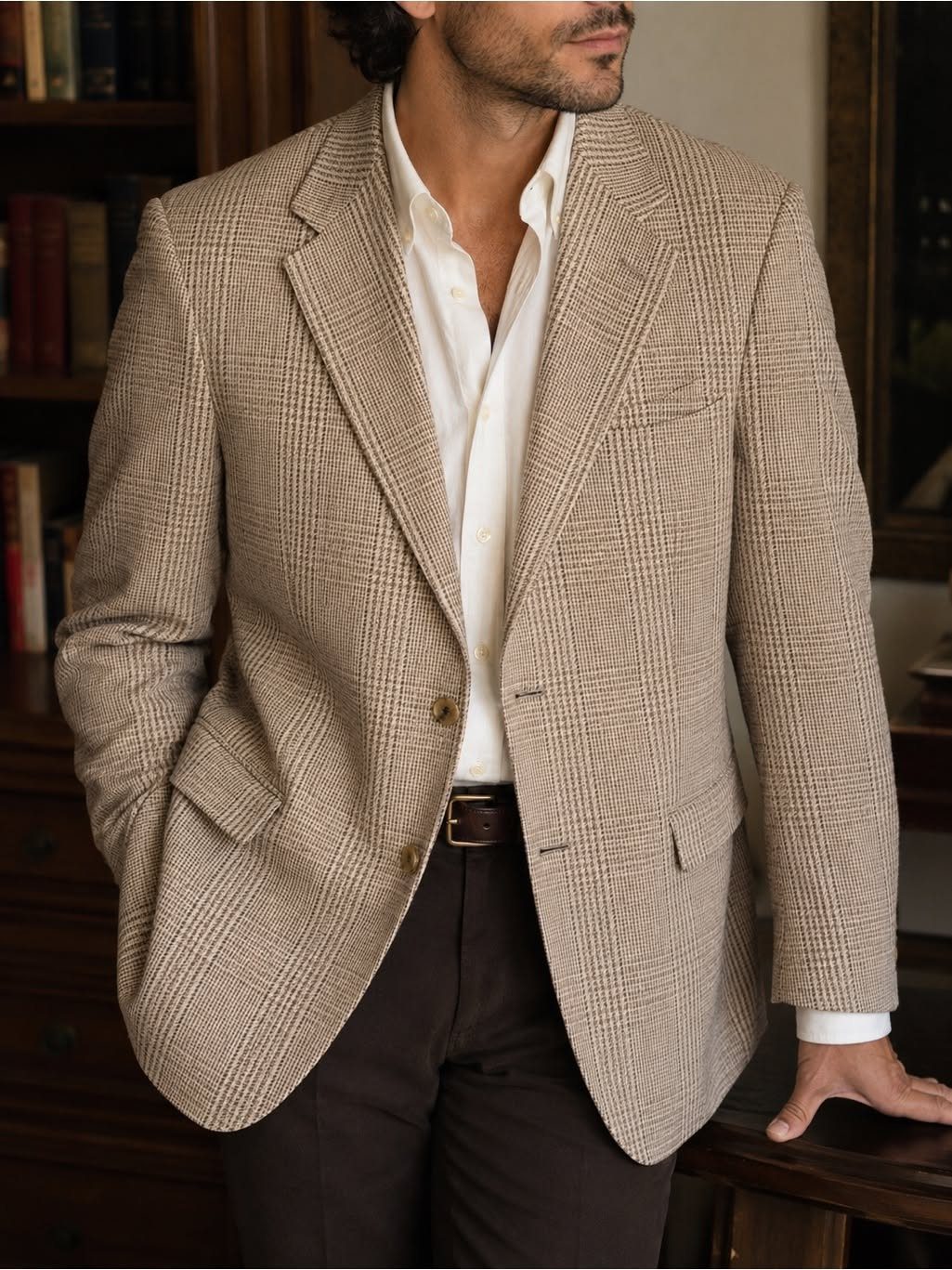
A blazer that fits well is the one jacket I would tell any man to own, and Wise makes the same case.
A patterned jacket in a light tone like tan, worn over an open-collar white shirt and dark trousers, looks dressed up without a tie.
Fit decides everything. The shoulder seam should sit at the edge of your shoulder, and the sleeve should let a bit of shirt cuff show.
A pattern is easy to wear when the rest is plain. If you own just one, a solid navy or gray is safer than plaid, though less distinctive.
Avoiding Frumpy Styles
Oversized, shapeless clothing is what makes an outfit look dated, and fit is the fix.
Baggy, faded pants read as tired, so I swap them for fabrics with some structure, like twill or heavier denim, and have the hem and waist tailored to fit.
Tuck in your top and define the waist. Well-cut denim does the same work, and both read modern right away.
Add one current element per outfit, not three.
Choosing the Right Denim
Cuts keep changing, and a pair of jeans you have worn unchanged for 20 years will date an outfit faster than most men expect. You don’t have to jump to extremes; a small step is enough.
After years in skinny jeans, a straight leg is the easiest move, and it tends to balance the proportions better. Bootcut wearers can try a slight flare, which keeps the room over the boot but looks more current.
A high rise is worth trying in any of these cuts, since it sits at the waist and keeps the line clean.
Have the hem and waist tailored to your shape, because well-cut denim looks current and a loose, faded pair does not.
Fashion Influencers
Follow people your age or older who dress in a way you would actually wear. Lists of 30 or more midlife style accounts are easy to find, so pick 3 or 4 whose outfits look like your real life, not a photo shoot.
Look at what repeats in their outfits: how the trousers fall, what gets tucked in, where the color sits. Copy that, not the exact pieces.
If something doesn’t fit quite right, no styling will save it.
You still deserve to feel beautiful,” explains Cindy Conroy, fashion expert and celebrity stylist. “Whether you’re in your 50s, 70s, or 80s you can still have fun with trends.
Frequently Asked Questions
How to dress at 50 without looking frumpy?
Start with fit. Shapeless, oversized clothes age an outfit faster than anything else, so I trade soft, faded pants for twill or heavier denim that holds a line, then pay a tailor to fix the waist and hem.
A tucked top gives the waist a clear edge, and one current piece per outfit is plenty; three starts to look like a costume.
What should a 50 year old wear with jeans?
Choose well-cut denim in a cut that suits you, and have the hem and waist tailored.
Anyone who has lived in skinny jeans for years will find a straight leg the simplest change, and it evens out the proportions of the whole leg.
What kind of shoes work for men over 50?
A slim leather sneaker in a neutral shade like beige is a safe pick. A clean sole matters, and so does the trouser length: let the hem land at the ankle or a touch above it.