Styles here range from a dark grey suit with brown dress shoes to an oversized white tee and cargo joggers, and the pieces that decide the choice are the ones you can wear on a normal day: where you spend your week sets the style more than taste does.
An office calls for chinos or tailoring; a weekend lets in streetwear and a bolder look. Fit applies to every look, so check it against your own build first (endomorphic, mesomorphic or ectomorphic) before you pick a single outfit.
1. Timeless Styles
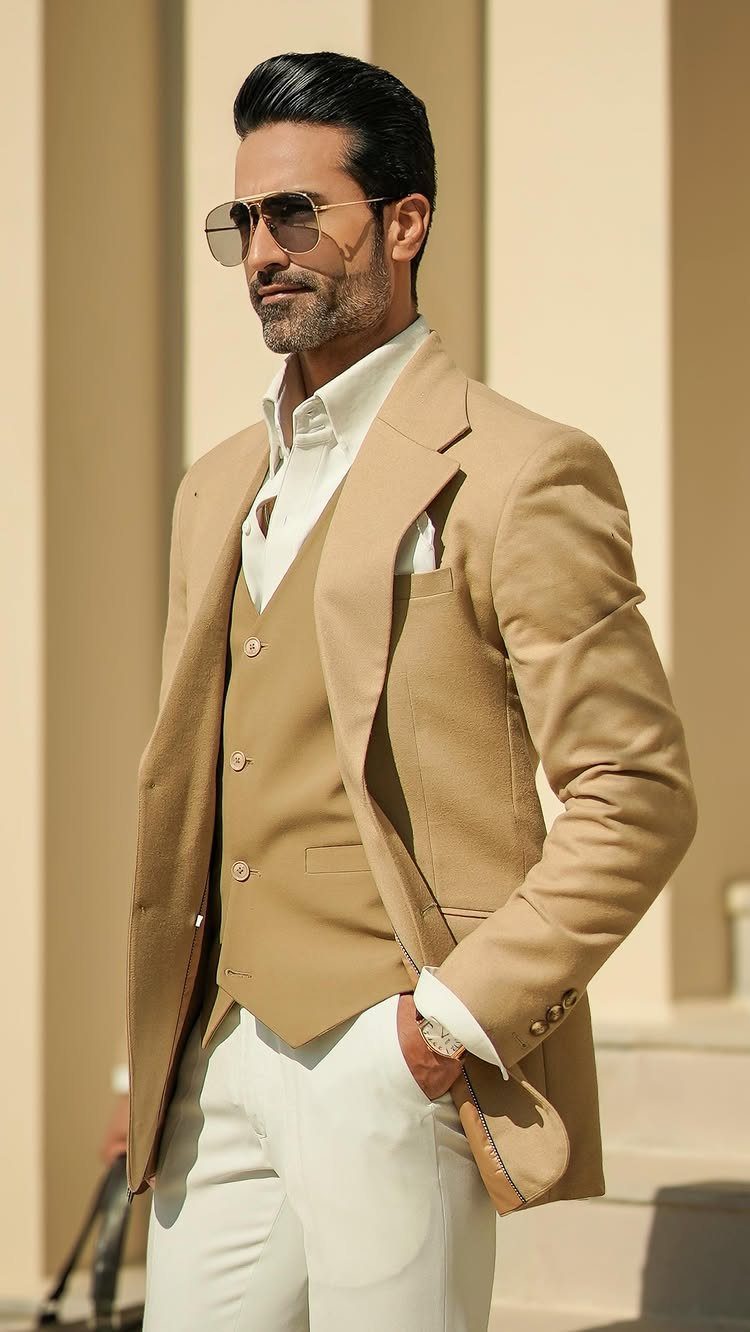
That is what makes a timeless, neutral-toned menswear look last: the palette stays quiet, so the cut does the talking.
A white shirt works best, with trousers one shade lighter than the jacket and a vest cut from the same cloth as the jacket. Sunglasses finish it without adding another color.
Shoes get the same thought.
The creator says they styled 3 handcrafted pairs, which is a reminder that a neutral suit shows its footwear. Spend there if you spend anywhere.
Light fabrics show wrinkles and stains faster than navy or charcoal, so this suits dry-weather days and events more than a daily commute.
2. Athletic Style
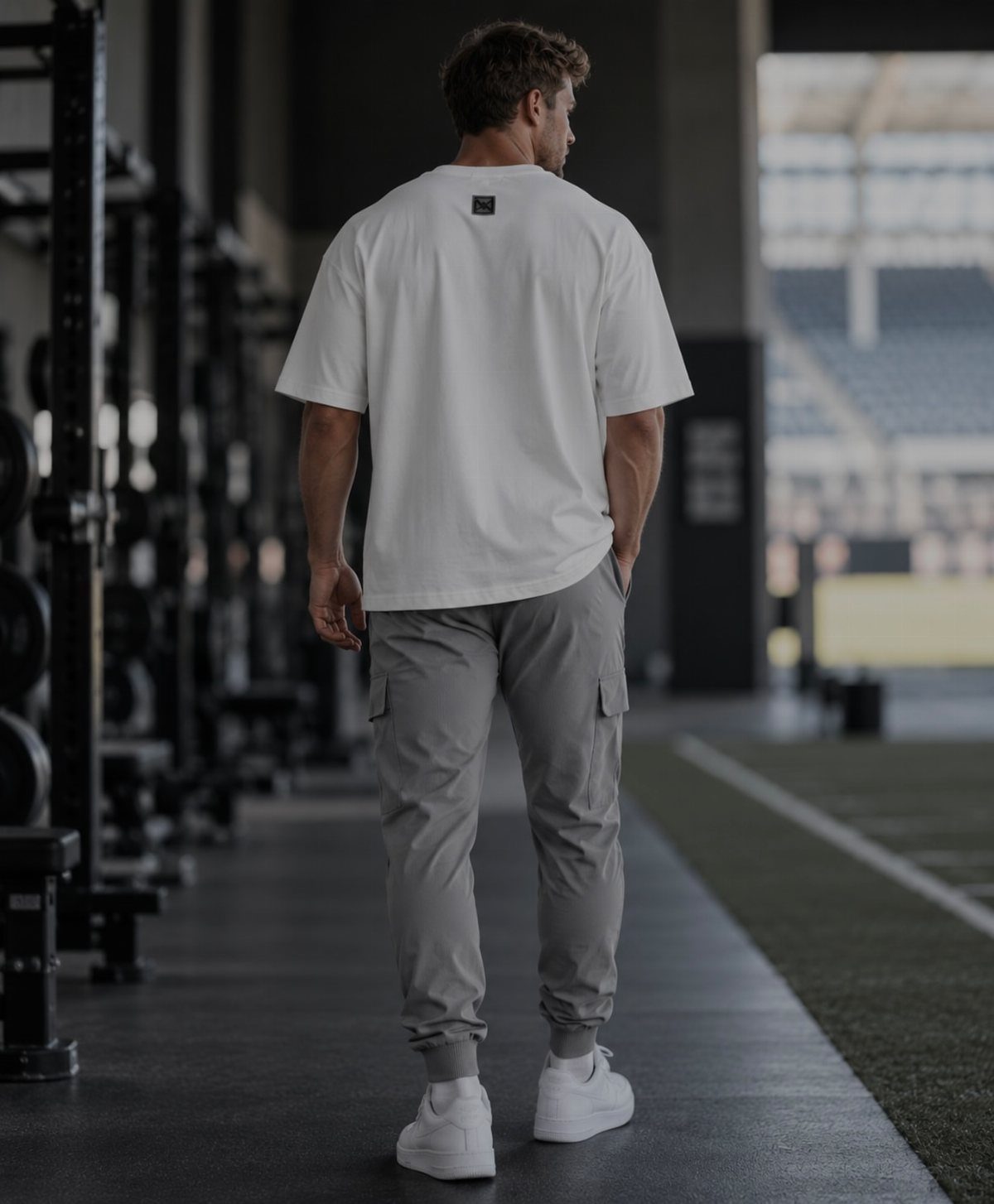
Gym clothes can leave the gym once the fit is relaxed and the colors stay neutral. An oversized white tee, light grey cargo joggers and white low-top sneakers is the whole formula, and it costs little.
Keep everything in white and grey so performance pieces read as casual ones. The joggers should taper at the ankle so they sit above the sneakers instead of bunching.
I would skip logos on the tee. Plain pieces work for a run to the store, a coffee, or the workout itself.
3. Streetwear Style
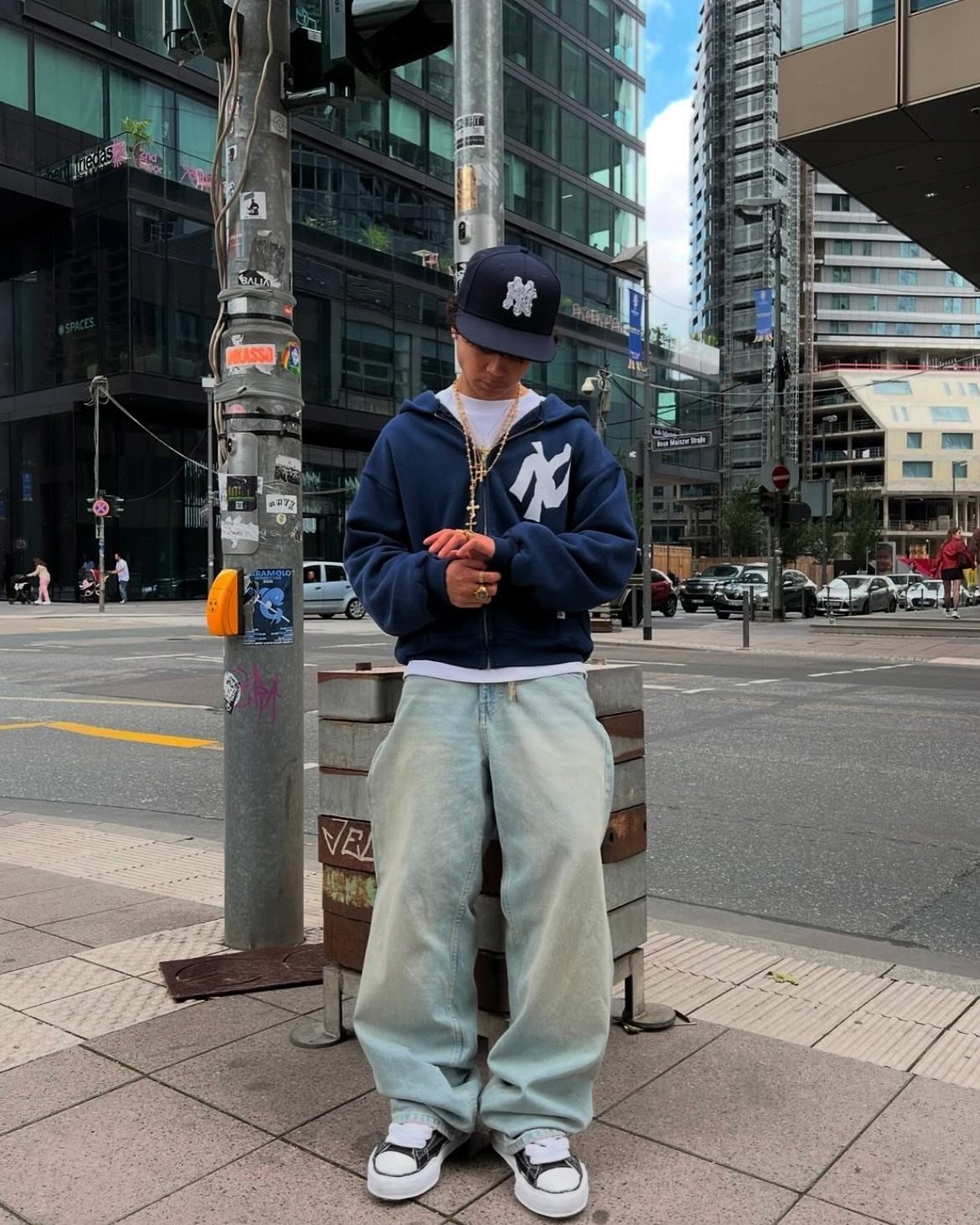
Loose jeans in a pale wash and a graphic hoodie form the base, with a cap and chunky-soled sneakers finishing the outfit. The hoodie does the most work, so pick one with a graphic you actually care about.
Layered cross necklaces add detail without adding a single garment, which suits a limited budget. Let the jeans stack slightly over the sneakers so the proportions stay relaxed on top and bottom.
This look has no dress-up setting, and that is the cost of wearing it. It works for the street and the weekend, not the office.
4. Utility Style
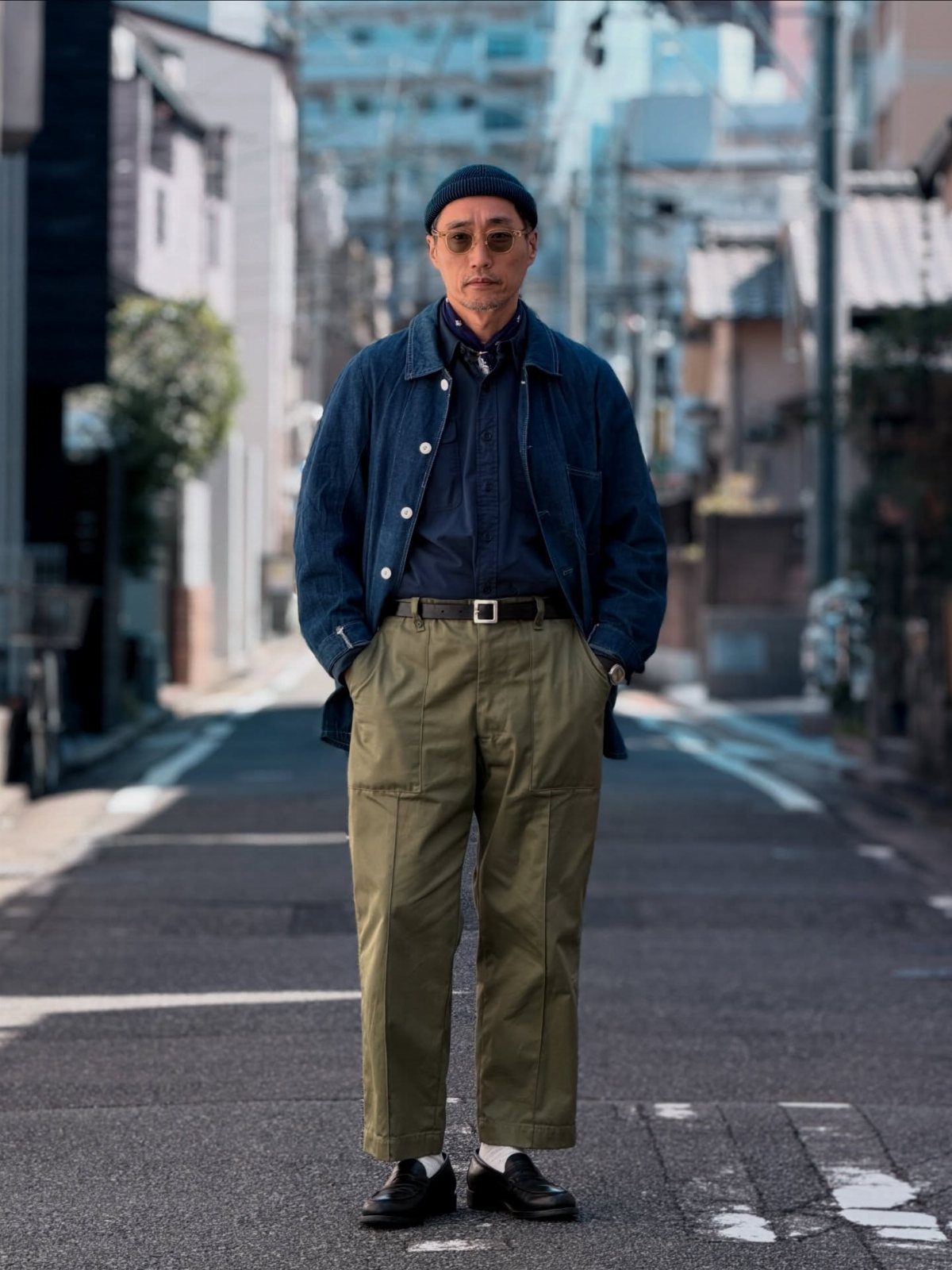
A denim chore jacket over a button-down shirt is the piece I would build a utility outfit around. Pockets and sturdy cloth give it a working-clothes logic, and green cargo pants carry that through the lower half.
Stick to blue and olive and nothing will fight. A beanie and glasses add personality at almost no cost.
Loafers dress the outfit up a notch from sneakers or work boots, which is why they suit a casual office while the rest of the look stays practical.
5. Minimalist Style
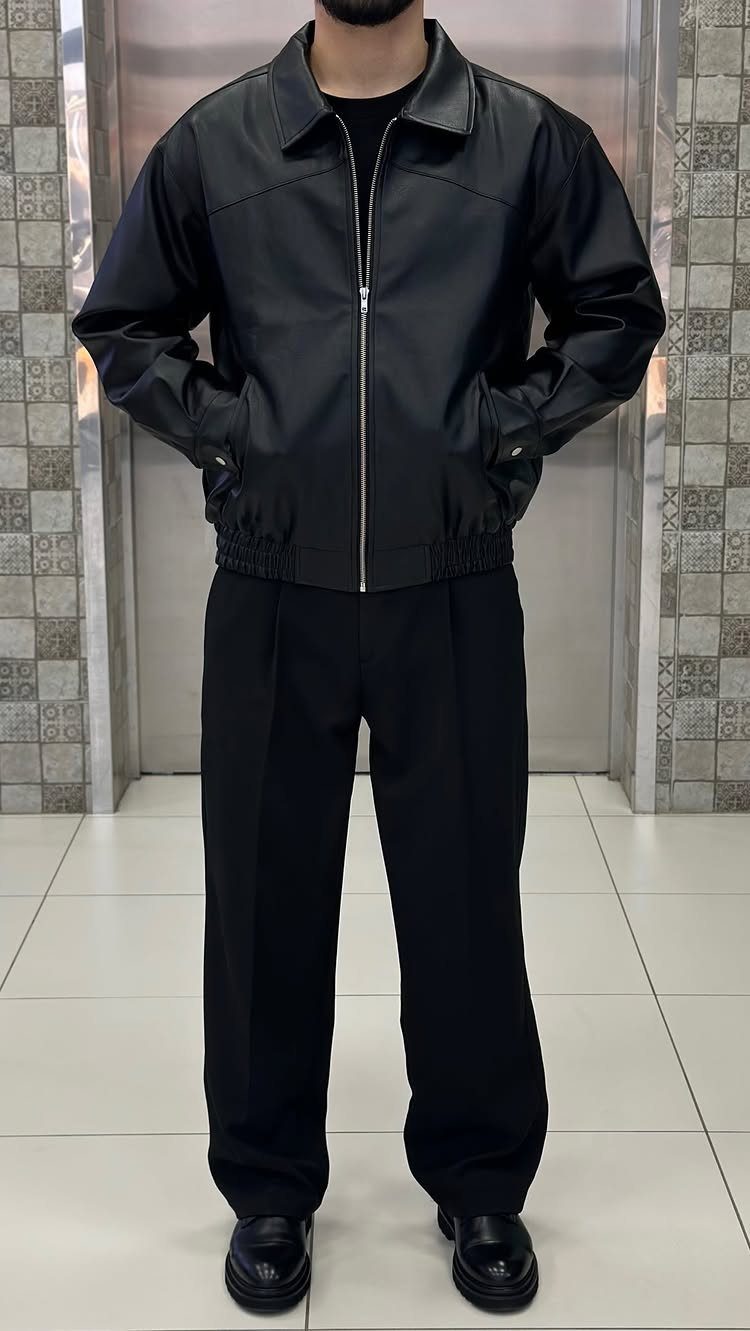
An all-black outfit works because nothing competes: a leather zip-up jacket, pleated trousers and dress shoes all share one color, so texture and cut do the work. The pleats add shape that flat black would otherwise lack.
Buy fewer, better pieces.
With no pattern or color to hide behind, a poor fit or cheap finish shows immediately. Get the trousers hemmed so they break cleanly over the shoes.
Black fades unevenly, so keep the pieces from looking mismatched by caring for them the same way. Dark days and evenings suit it best.
6. Preppy Style
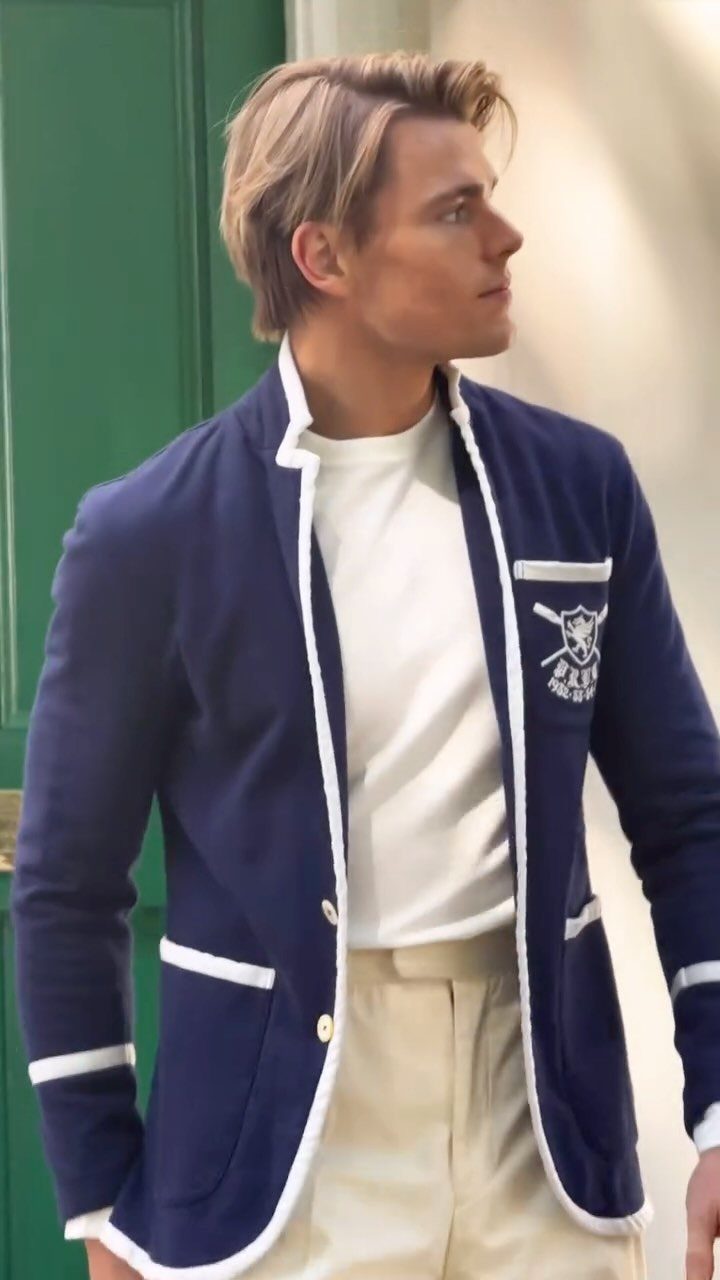
Navy against cream is the core of Ivy League dressing: a navy top with white trim, a white shirt underneath and cream trousers below. Trim and a crest are the only decoration.
Start with the trousers, since cream chinos go with nearly everything you already own. Then add one navy layer, either a blazer or a cardigan, and keep the shirt white.
Cream marks easily, so I would save it for days when you can sit somewhere clean. Loafers or clean leather shoes suit it better than bulky sneakers.
7. Statement Style
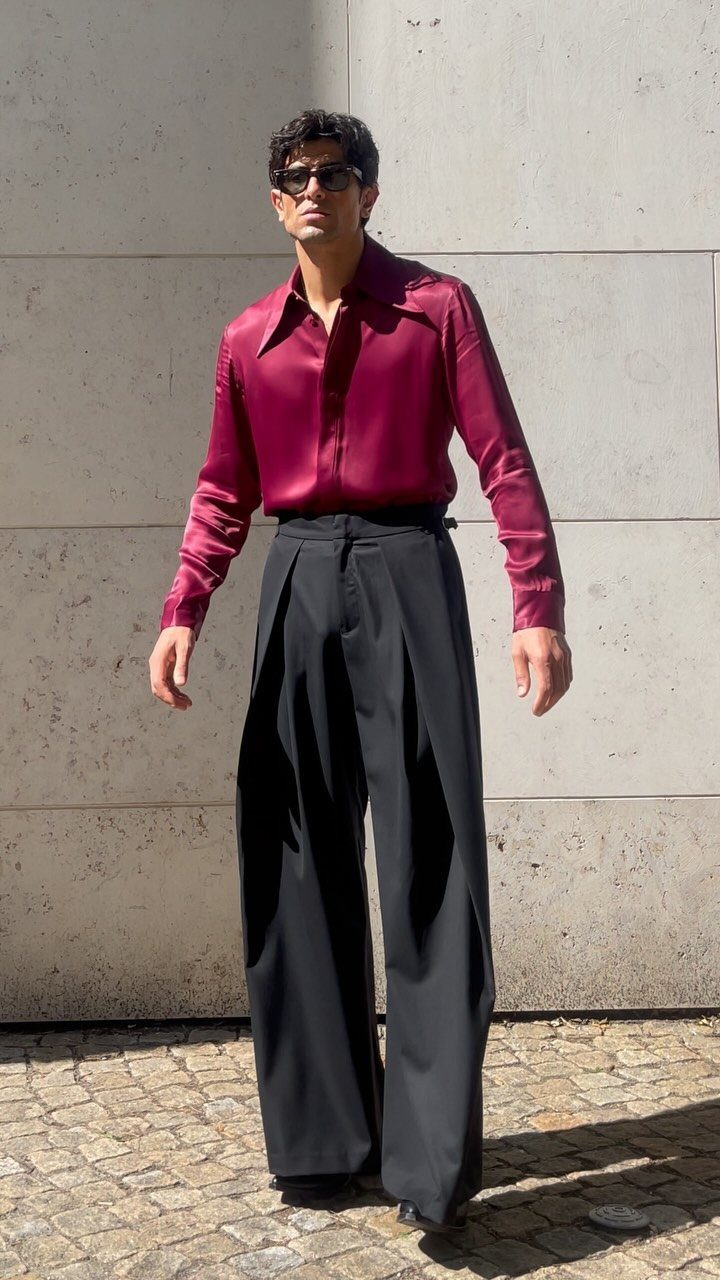
One loud piece can carry a whole outfit: a glossy magenta shirt works because black wide-leg trousers give it room. The trousers stay dark and plain so the shirt gets all the attention.
Sunglasses, simple shoes and no extra pattern let the loud piece do the talking. A shiny fabric catches light and draws the eye on its own, so a second bold item would only compete.
Start with the shirt if you are on a budget, since it is the piece people will remember. Black trousers you may already own do the rest.
8. Smart Casual Polo and Chinos
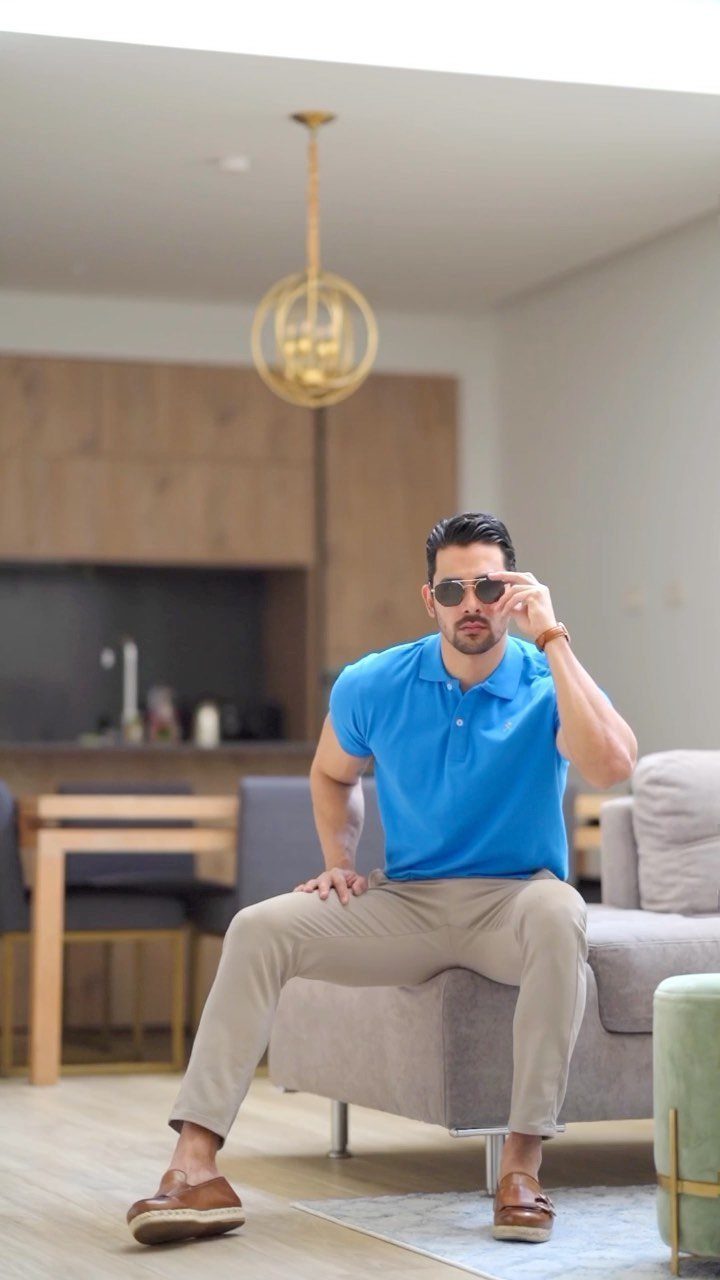
Polos and chinos are the easiest smart casual pairing I know, and a bright blue polo against beige chinos proves it. The 2 colors sit well together without any effort.
Brown loafers finish the outfit and keep it a step above sneakers. Tuck the polo in or leave it out, but pick the length that ends around mid-zipper on the trousers.
Sunglasses add polish for free. Buy the chinos in a neutral shade first, because they mix with nearly every shirt you own.
9. Button-Down Shirt and Chinos
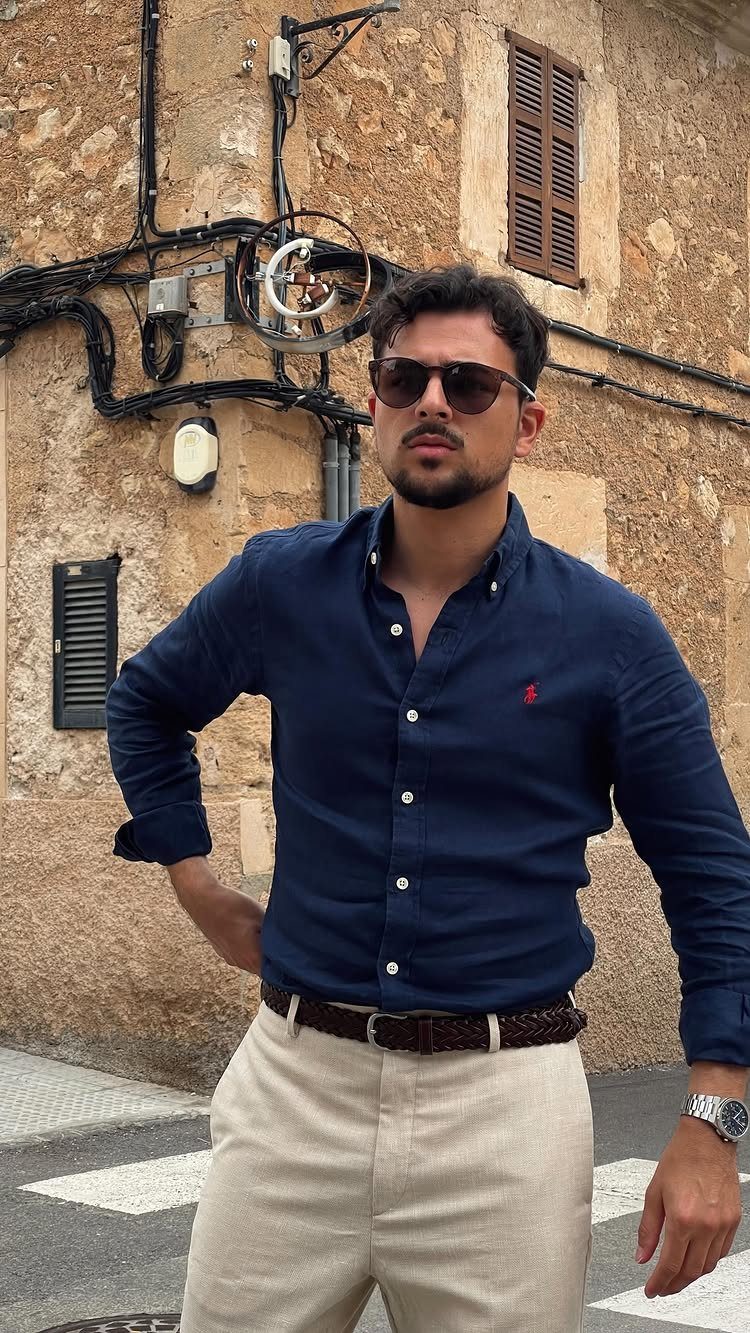
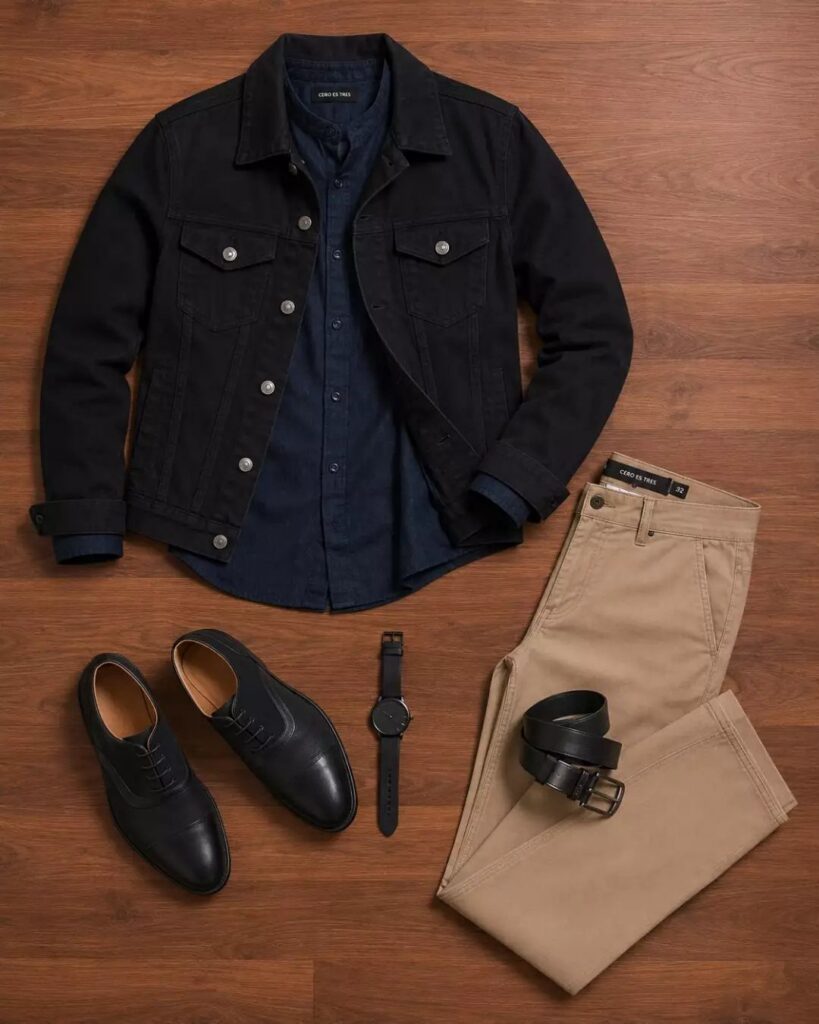
Tuck a navy button-down into beige chinos and you have a clean outfit that works nearly anywhere. A tucked shirt shows the waist, so the belt becomes part of the look.
A braided leather belt and a simple watch are the right accessories for this look, since they add texture without adding color. Match the belt to your shoes if you can.
Navy and beige are forgiving colors, which suits a small wardrobe. Press the shirt before you wear it, since a crisp collar is the whole appeal.
10. Brown Leather Jacket Outfit
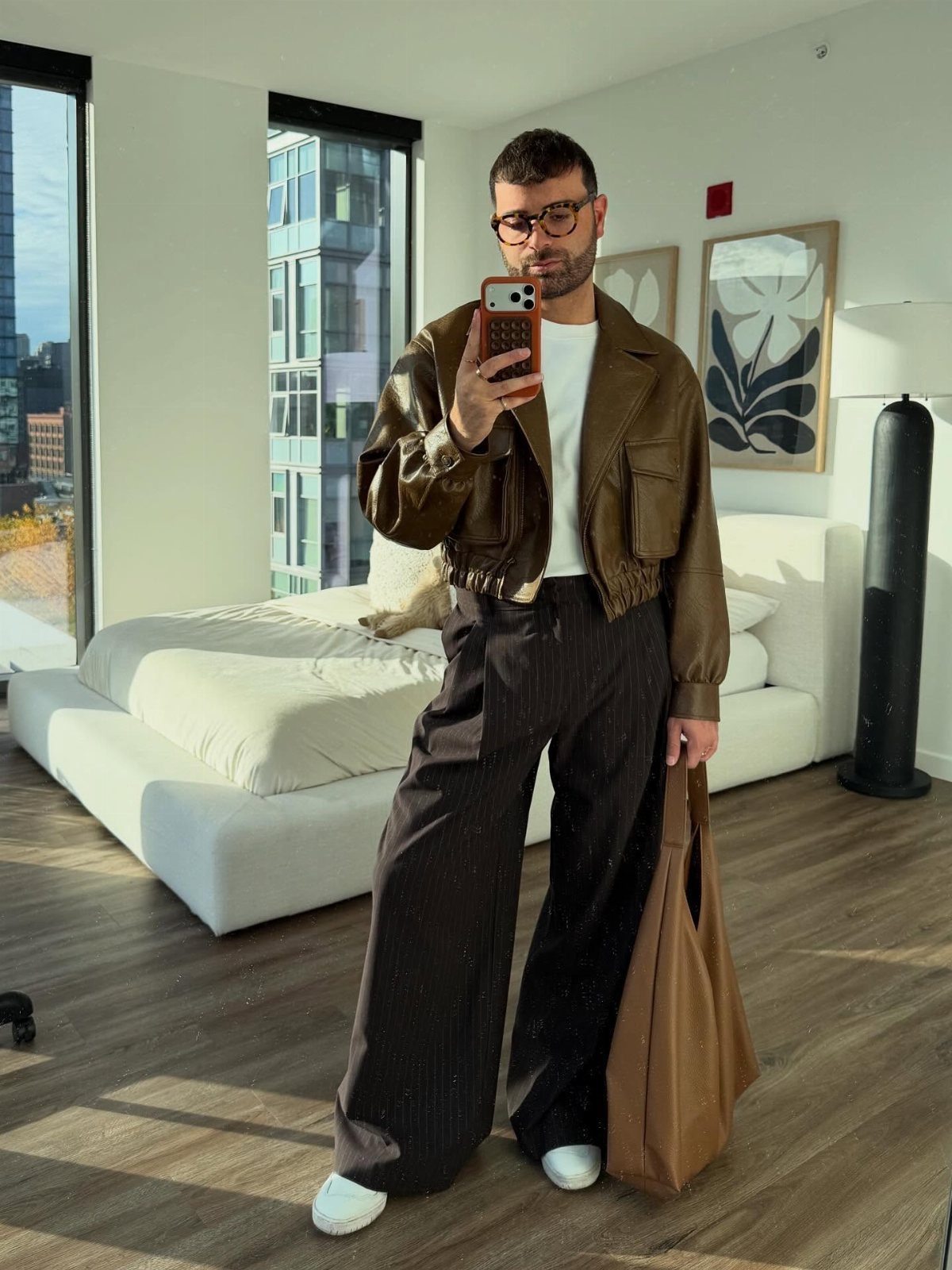
Leather is easiest in a cropped brown jacket over a plain white tee, and wide-leg pinstripe trousers give the outfit a fresh shape. The short jacket stops near the waist, so the full trousers do not swallow your proportions.
White sneakers keep the outfit light. I would pick the trousers first, since the pinstripe is the only pattern and the rest should stay plain.
Wide legs plus a boxy jacket can feel big on a slim frame, so check the fit in a mirror before you commit.
11. Modern Tailored Suiting
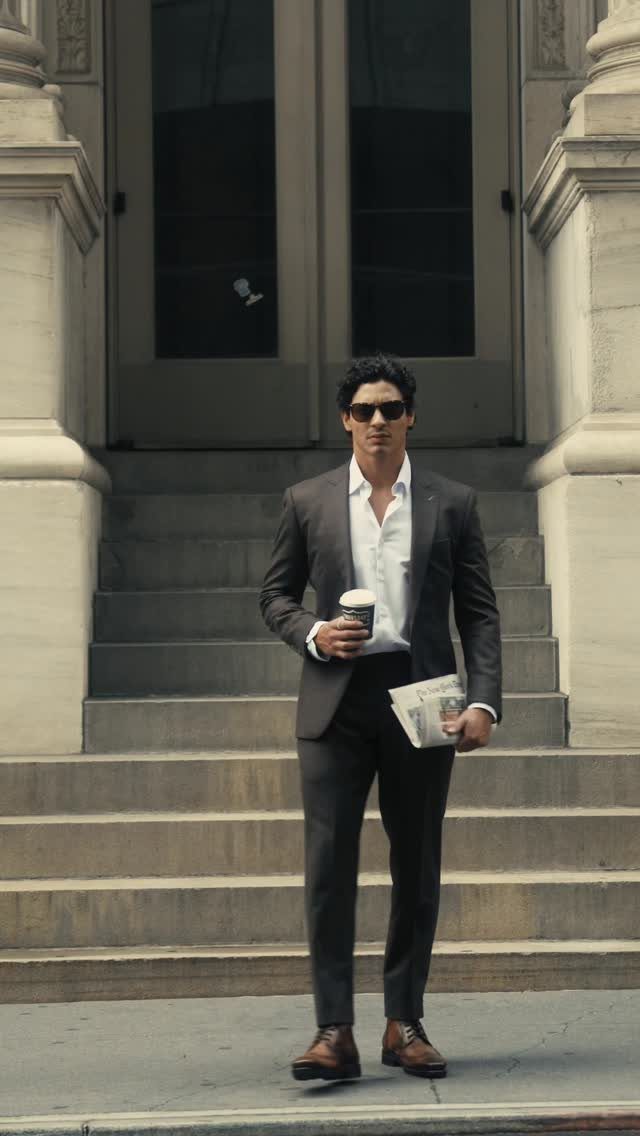
A dark grey suit, a white shirt open at the collar and brown dress shoes make tailoring feel modern instead of stiff. Skipping the tie is what relaxes it.
Brown shoes against dark grey are my preference over black, because they look less formal and still polished. Fit matters more than price here: shoulders should sit flat and the jacket should close without pulling.
Spend on a tailor before you spend on a second suit. Sunglasses are an easy extra for the weekend.
12. Blazer with Relaxed Denim
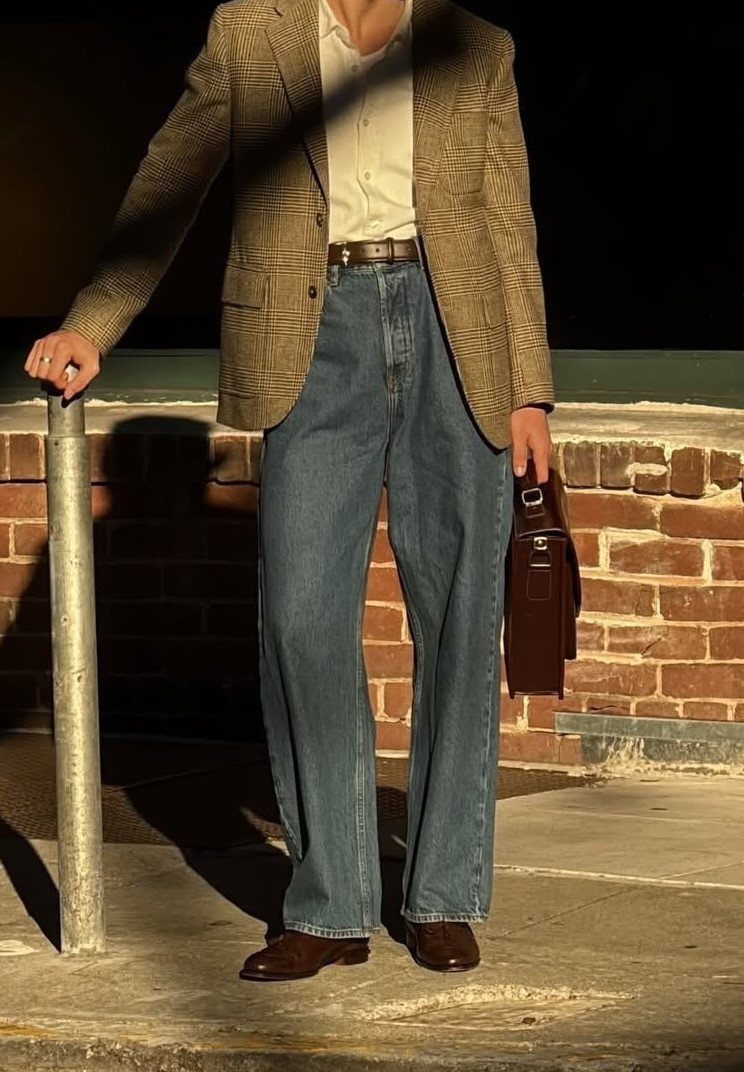
A plaid blazer over a white collared shirt gives wide-leg jeans a reason to look dressed. The white shirt calms the pattern, and the jeans keep it from feeling formal.
Brown leather shoes tie the outfit together. Pick jeans in a plain wash with no rips, so the blazer stays the single point of interest.
Let the jeans fall to the top of the shoes without piling up. Wide denim can drag, so hem them before you wear them out.
Understanding Your Body Type
3 body types are worth knowing: endomorphic (softer, rounder build), mesomorphic (broad shoulders, athletic frame) and ectomorphic (lean, narrow). Pick cuts for the one you have today, not the one you hope to have in a year.
Most men go wrong by buying clothes too big, either because loose feels comfortable or because it seems to hide the body.
It does the opposite. Loose fabric that bunches, wrinkles or sags at the hem makes an outfit look sloppy, and it can shave off height while adding weight.
Style isn’t reserved for one height, weight or build, so there’s no reason to hold off on dressing well until your body changes.
Clothes that fit show you’re in charge of how you look. Buy clothes for the body you have today; a good fit shows it off, and baggy cuts make it look bigger than it is.
First Impressions Matter
People form strong first impressions fast and from very little information. You can’t control how they react, but you can control what they have to go on.
Clothing doesn’t prove you’re competent or trustworthy. It does shape how others see those qualities, and that affects opportunities: a date, a promotion, a bigger client.
So dress for the impression you want.
An average, careless outfit tells people to expect average. A deliberate one sets a better tone for the whole conversation, and for the relationship after it.
The good part is that your clothes and how you wear them are entirely your call. Start with fit and condition, since those read before anything else does.
Style Evolution
Style develops in stages. At one end is survival mode, where you wear whatever is clean.
At the other is intentional dressing, where each piece is chosen on purpose. Find where you stand right now, then take the next step only.
Each stage builds on the one before it, so you don’t have to jump ahead.
Some men move quickly. Others take years, and that’s fine.
Many men stall because they believe good style needs expensive clothes or a natural eye.
Neither is true. Dressing well is a skill, and you learn it by practice.
If you’re in survival mode, start by swapping out the worn-out basics you reach for most. Then pay attention to what works and repeat it.
Frequently Asked Questions
What are the types of fashion for men?
Common men’s styles include timeless neutral tailoring, athletic, streetwear, utility, minimalist, preppy, statement and smart casual.
Each runs on its own palette: preppy leans on navy and cream, utility on blue and olive, minimalist on all black. Pick the one that fits the places you actually go, then build outward from a few pieces.
What is the 3-3-3 rule in fashion?
It’s a capsule wardrobe challenge built from 9 pieces: 3 tops, 3 bottoms, and 3 pairs of shoes.
I would start with neutral basics that mix with almost everything, such as chinos in beige or cream, a white shirt and one navy layer like a blazer or cardigan.
A small base like that keeps outfits easy and cuts the guesswork.
Which dressing is best for men?
No single style wins; it depends on your build and the occasion.
For most men, the safest everyday answer is smart casual: a knit polo or oxford button-down, stone chinos, and brown loafers will pass at an office, a dinner or a weekend party.
Whatever you choose, fit matters more than the style: clothes that are too big look sloppy and can make you look shorter and heavier.