Which of these outfits suits you depends on the temperature and the room you’re dressing for.
The list covers a smart casual jacket and a button-down with jeans, then light blue with chinos, double denim, an all-black outfit and black over grey trousers.
Fit is the one rule that holds across all of them: shoulders, waist and hem decide whether cheap fabric looks considered or careless.
1. Smart Casual Jacket

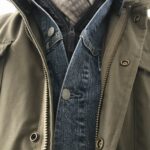
Camel brown over black is a pairing that works from October through February. The zip front and flap pockets keep the jacket casual, while the textured fabric gives it more presence than a plain bomber.
A black shirt underneath keeps the color story to 2 tones, so the jacket does all the talking. Dark jeans or charcoal trousers finish it without competing.
I’d pick this over a heavier coat when you want one layer that handles both a weekday lunch and a dinner out.
2. Smart-Casual Definition
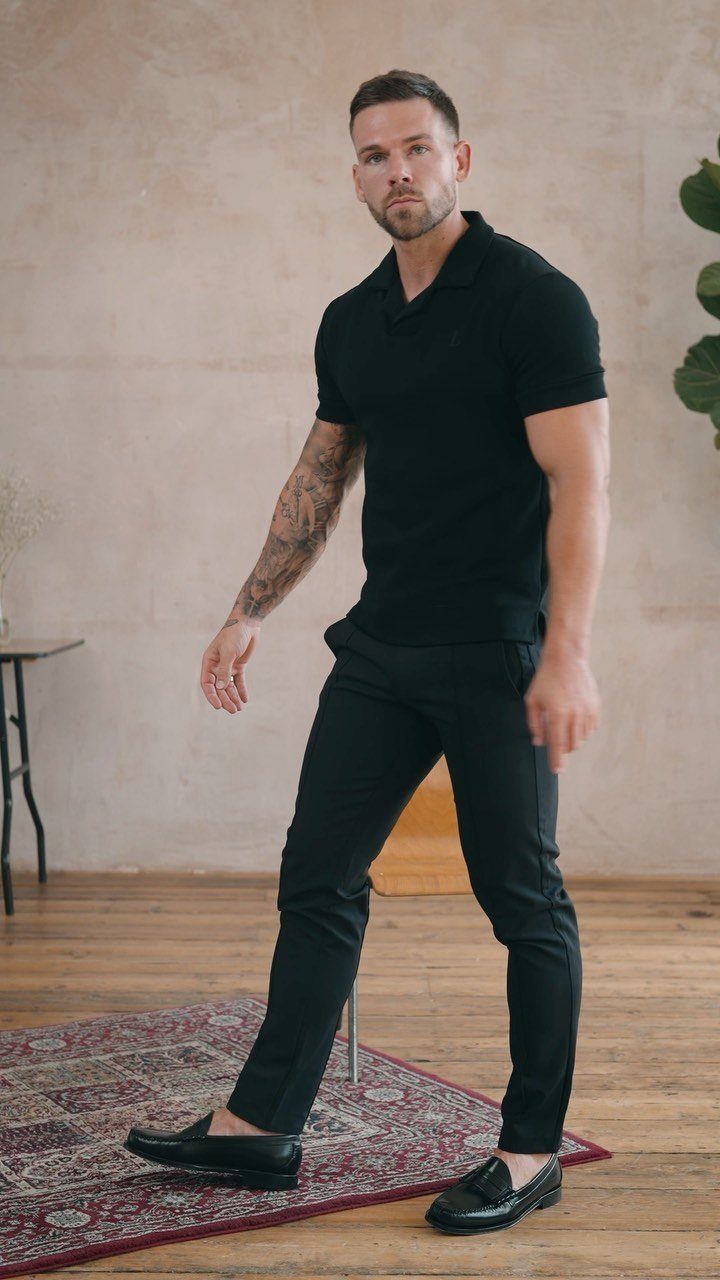
Smart casual lives in the details: a polo instead of a tee, tailored trousers instead of jeans, loafers instead of sneakers. Each swap nudges the outfit toward dressy without adding a tie or a jacket.
Wearing all black makes this easy to pull off, since nothing needs matching. Keep the polo’s collar crisp and the trousers pressed, and the look reads as intentional.
Black shows lint and dust, so brush it off before you head out.
3. Fit Is King
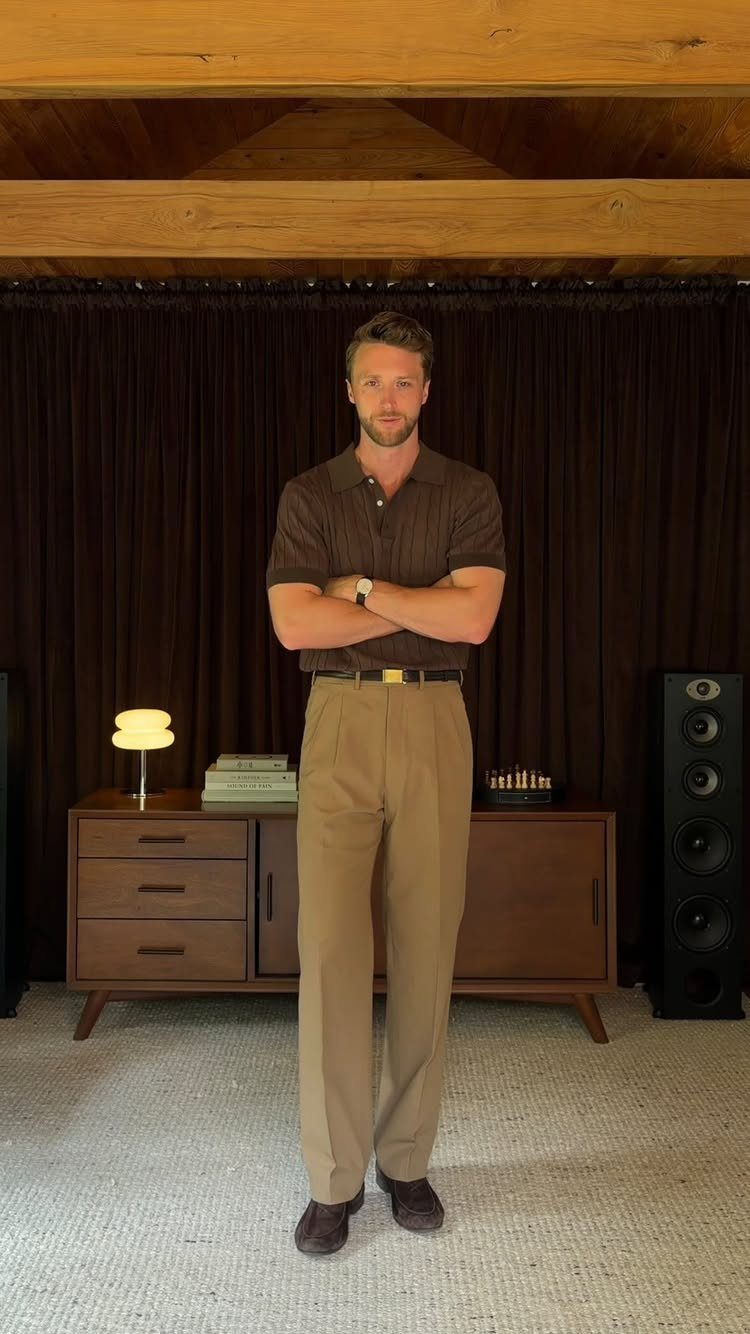
Sizing matters more than any single piece you own. A knit polo that skims the chest and trousers that sit at the natural waist make cheap fabric look considered, while a baggy version of the same outfit looks careless.
Pleated khakis with a higher rise suit this well, because the extra room sits in the thigh and the line stays clean down to the shoe. Check 3 spots before buying: shoulders, waist, and hem.
If a piece fails one, a tailor can usually fix the waist and hem. Shoulders are much harder to alter.
4. Button-down Shirt and Jeans
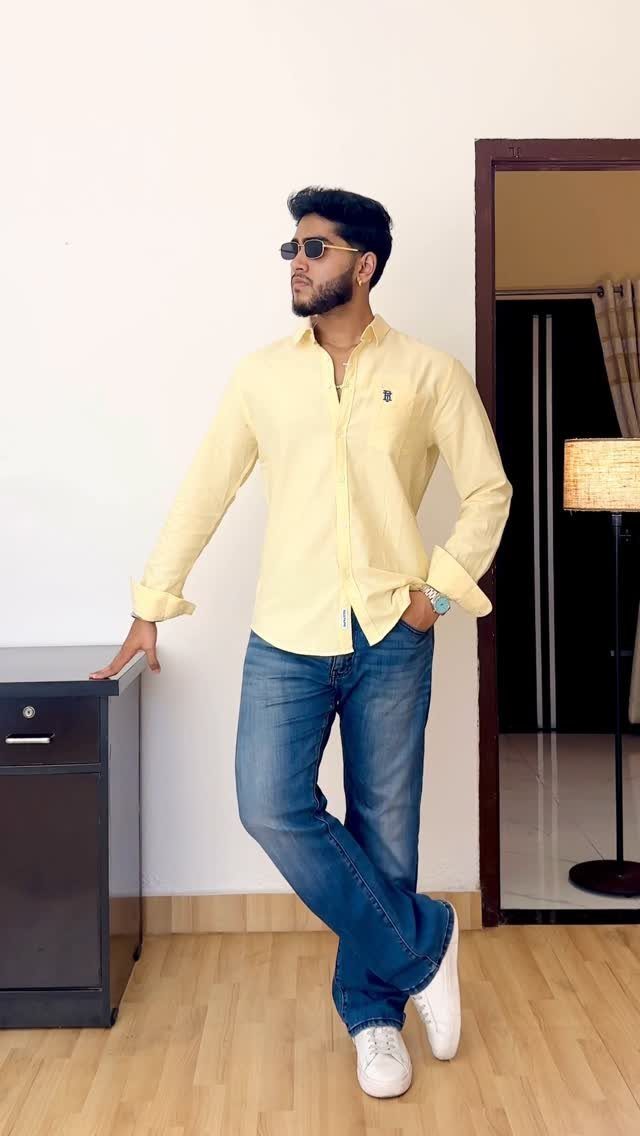
An untucked pastel shirt is the easiest weekend uniform I know. Soft yellow against classic blue denim gives you color without risk, and white sneakers keep the whole thing light.
Hem length decides whether untucked works.
A shirt that ends around mid-zipper works best; anything longer starts to read as a nightshirt. Fold the cuffs back a turn or two past the wrist and the shirt sits more relaxed.
For a slightly sharper version, tuck it in and add a belt. The same 3 pieces then pass for a casual date.
5. Light Blue Shirt and Chinos
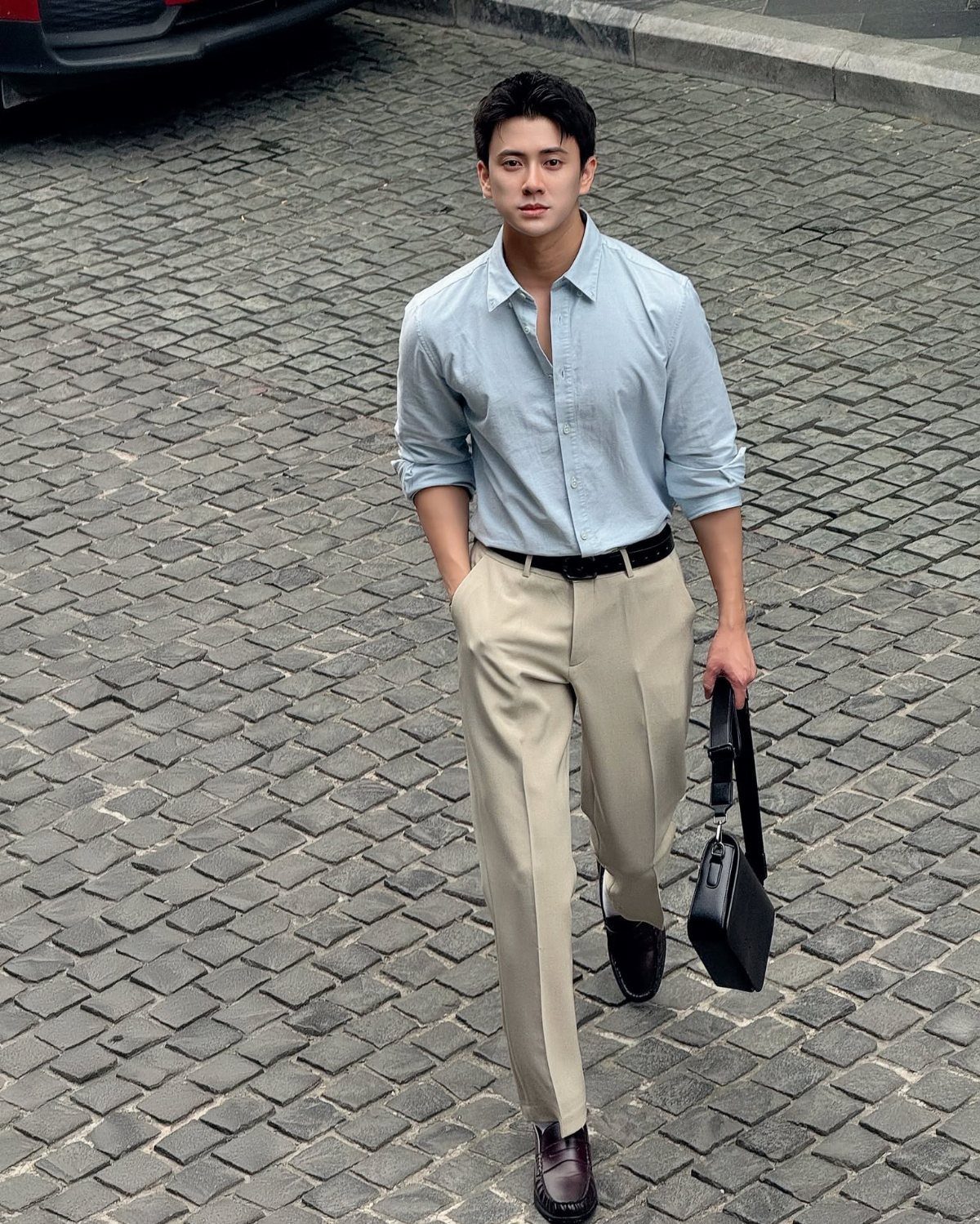
Light blue and beige is about as dependable as 2 colors get. The cool shirt balances the warm trousers, and neither one fights a belt, a bag, or a pair of shoes.
Tucking the shirt in and adding a black belt makes it cleaner than most casual outfits, and loafers keep it relaxed. Leave the top button open, with no tie, and the collar sits naturally.
If the trousers are tan rather than beige, the same shirt works. I’d skip white sneakers here, since loafers suit the tailored legs better.
6. Double Denim Casual Outfit
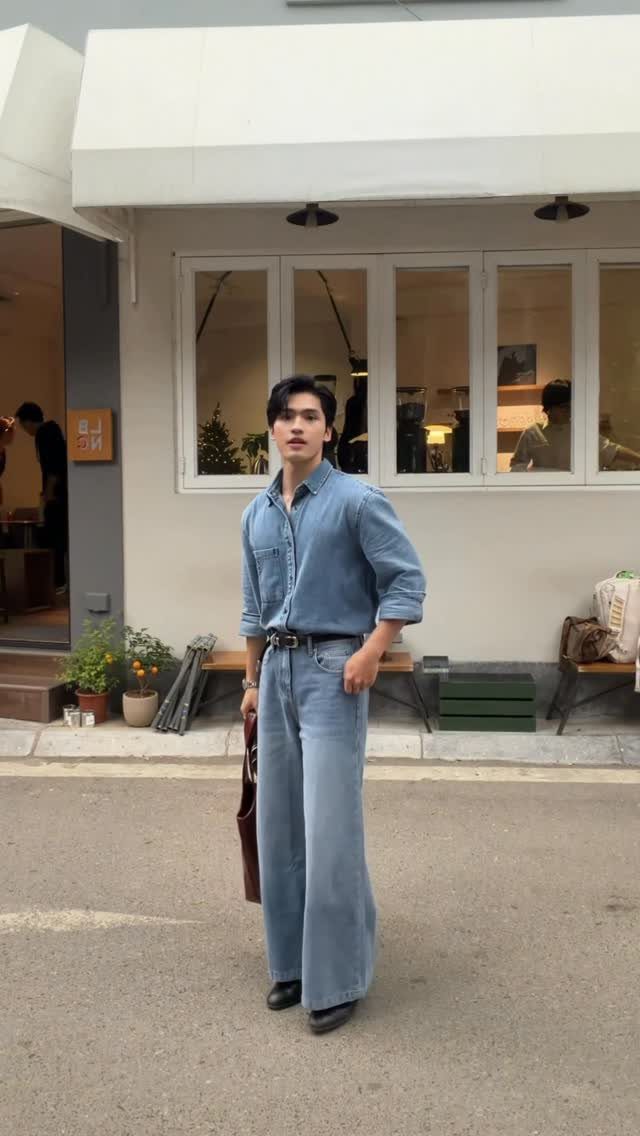
Double denim only works when the 2 pieces are clearly different shades. A denim shirt over wide-leg light wash jeans avoids the matching-suit look, because the shirt reads as a top, not a jacket.
A tucked shirt and a black belt mark where your waist is, and that helps when the pant legs are wide. Dark shoes anchor all that pale blue.
My preference is a shirt that’s a shade darker or lighter than the jeans, never an exact match. Double denim is bold already, so let the shoes, the belt and any layers stay plain.
7. All-black Casual Outfit
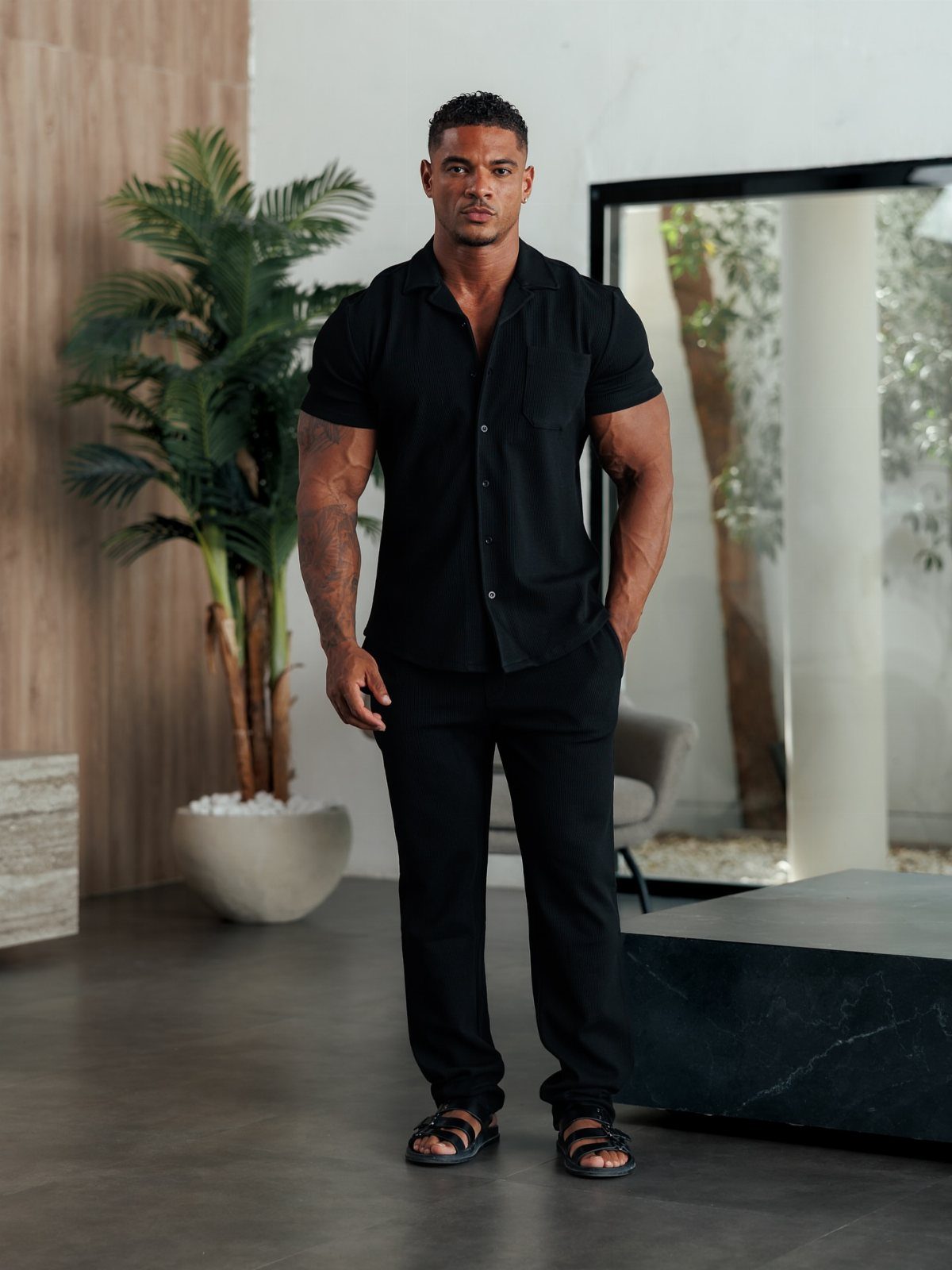
Black on black with sandals is the loosest version of this idea, and the short sleeves do a lot of the work.
A button-up with sleeves ending mid-bicep stays light on a warm day, and matching trousers stretch the line from collar to ankle.
Keep the shirt and trousers close in shade. Black fades at different rates, so a washed-out pair next to a fresh shirt shows the mismatch right away.
Sandals suit warm days and a relaxed room, but I’d switch to loafers or clean sneakers for dinner out. Check the toenails, too, because bare feet are part of the outfit.
8. Black Shirt and Grey Trousers
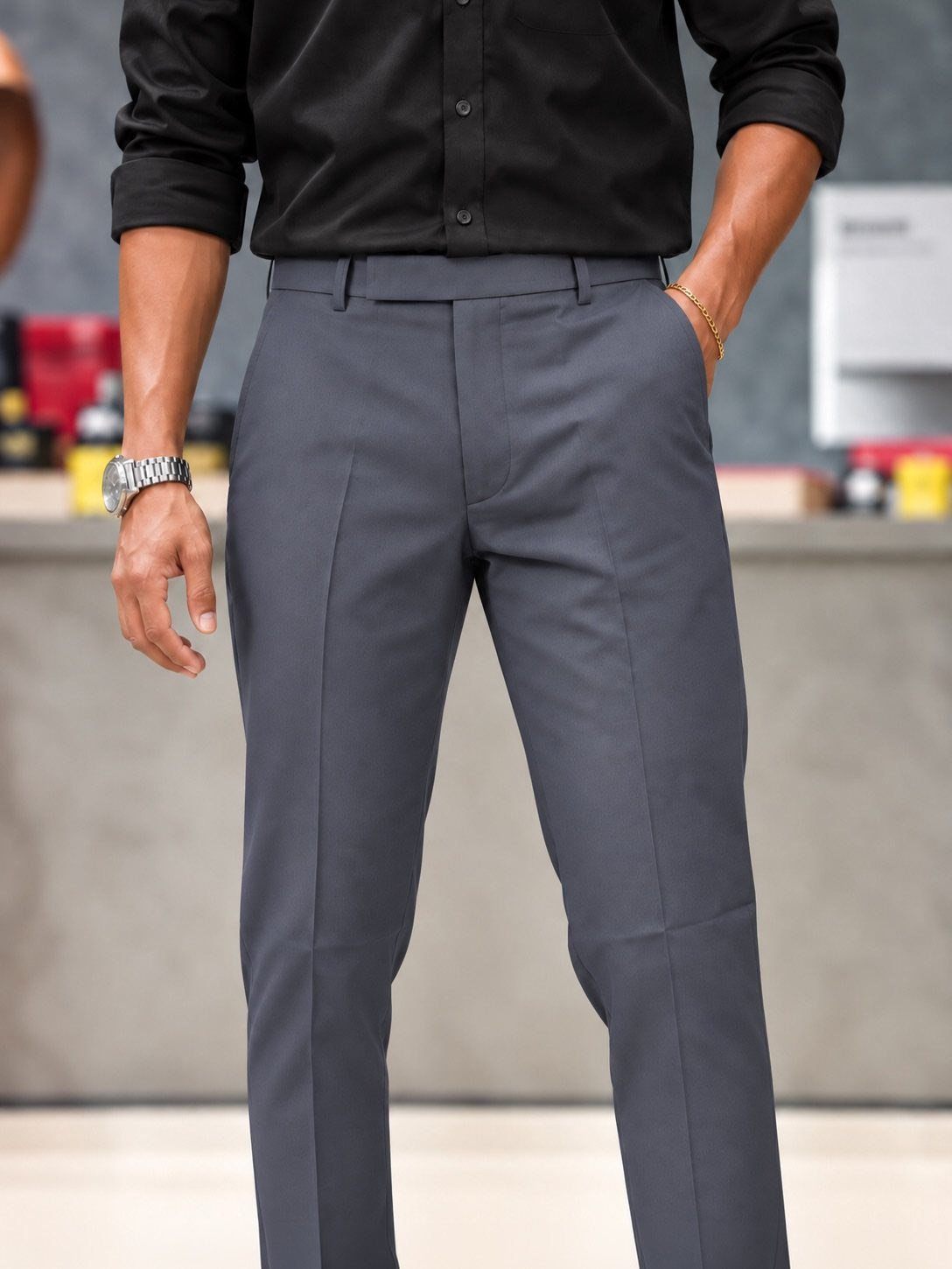
Black against grey is a contrast you can wear to work and still wear to dinner. A dark shirt over lighter trousers gives the outfit a clear top and bottom, so it reads well even from across a room.
Fit does the heavy lifting. A black button-down that sits close through the chest and sleeves, with grey trousers pressed to a clean crease, looks sharper than any pattern would.
Brown or black leather shoes both work, though black keeps the palette tight.
Understanding Casual Dress
Casual dress has no rulebook right now, and that is the real difficulty. Wear anything and it counts as casual, which leaves most men defaulting to jeans and an untucked shirt because it’s safe.
Jeans, a tee and white sneakers work fine, but looking sharper in them means putting in a little extra effort.
Choose one piece in each outfit that shows some thought, like a better fabric or a cleaner fit, and let the rest stay plain.
Casual clothing also sells better than suits now, which is why luxury houses like Gucci, Dior and Prada chase streetwear collaborations.
You can ignore all of it. Dressing well casually doesn’t require buying into hype pieces.
Historical Context of Casual Wear
Casual dress for men took hold in the 1950s. After the war, teenagers in both Britain and the US were tired of rationing and stiff office dress codes, and jeans, T-shirts and leather jackets slowly pushed suits aside.
Denim is the lasting piece from that era.
I’d treat that as permission to build around good jeans. They have been the backbone of casual wardrobes in every decade since.
Trends in Casual Fashion
Casual style now blends streetwear with luxury labels. The shared idea is mixing something sleek with something relaxed.
You can borrow that without paying luxury prices. Pair one sharper piece, like a tailored coat or a crisp polo, with one relaxed piece, like sneakers or an oversized tee.
Keep the rest of the outfit quiet. Comfort and versatility matter more than a logo, and clothes that mix with 5 other things you own will get worn the most.
Frequently Asked Questions
What are some examples of evening casual dress code for men?
Tailored trousers with a smart shirt work well, as does a blazer with jeans.
For dinner, a black button-down over pressed grey trousers works, and either brown or black leather shoes finish it. Black keeps the palette tighter.
What is smart casual style?
Smart casual blends polished and relaxed pieces, so the outfit looks intentional without a tie or jacket.
Swap a tee for a polo, jeans for tailored trousers, and sneakers for loafers. Each swap nudges the look dressier while keeping it easy.
How to improve dressing style male?
Before any single piece, get the fit right. Shoulders, waist and hem are the 3 spots to check on the rack; a tailor handles the waist and hem easily, but shoulders rarely move much.
Which dressing is best for men?
The best dressing is clothes that fit your frame, kept clean, with one piece in each outfit that shows some thought, like a better fabric or a sharper fit.
Keep the rest plain. The pieces that pair with several things already in your closet are the ones that end up worn most.