The outfits below run from shorts and a plain tee to a work blazer over trousers, and what separates them is how much structure your day allows.
If you spend it outdoors or in a hot room, shorts, polos and loose denim carry it. If you need to look put together for dinner or a relaxed office, the pleated trousers, ribbed turtleneck and loafers do more.
A bomber jacket over a button-down, worn with jeans, is one combination in this list that carries across many days.
1. Chinos as a Staple
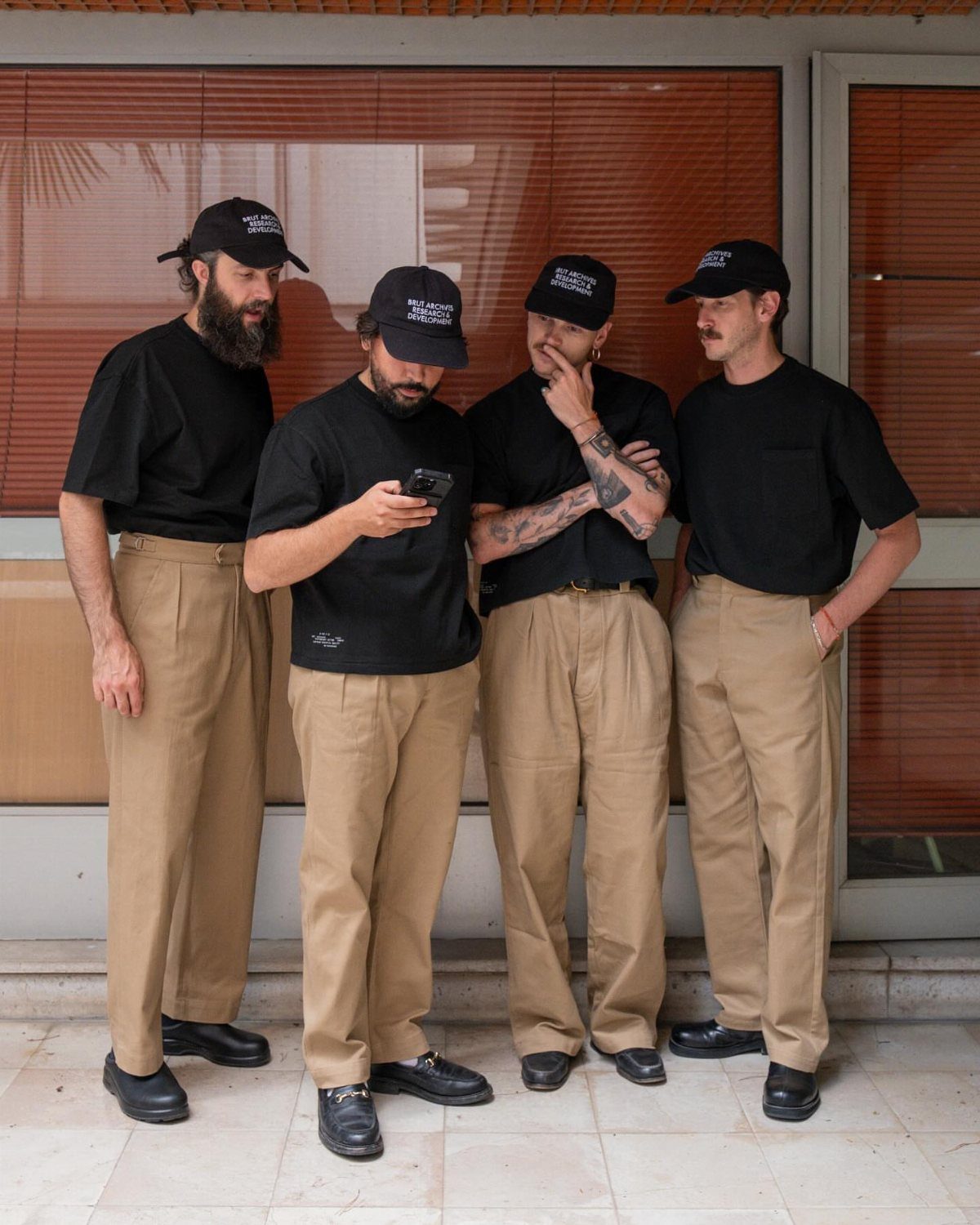
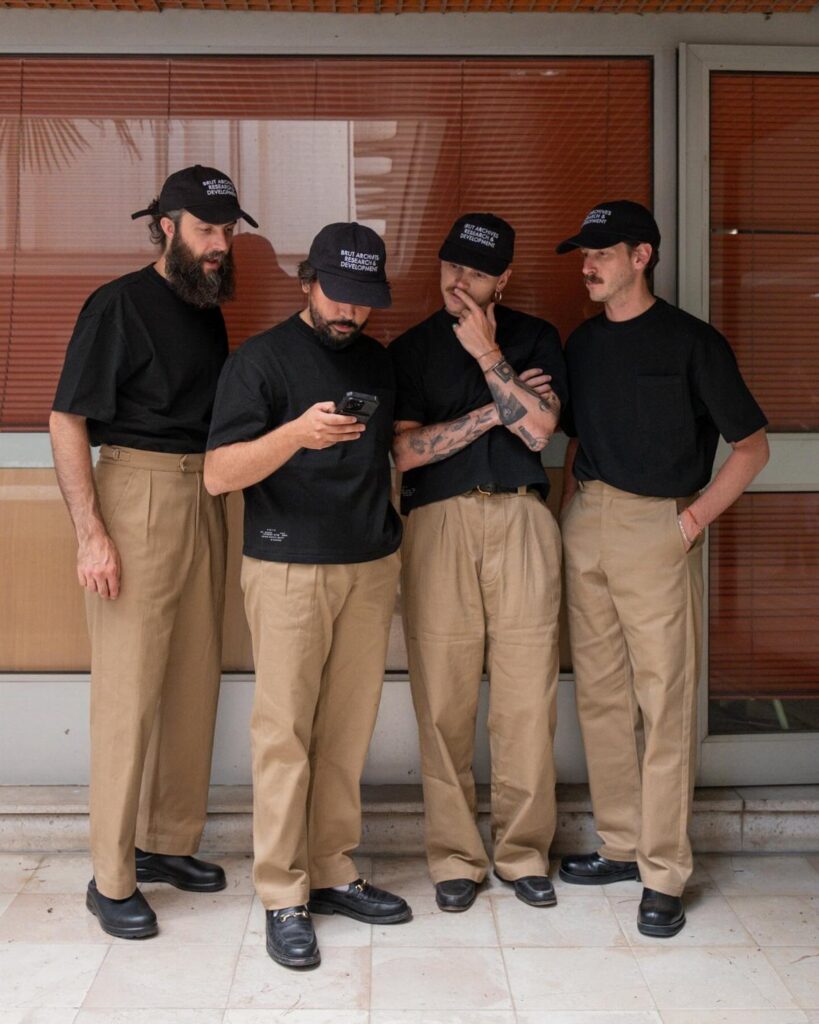
Tan chinos do more work than any other casual pant I know. A black tee and a cap sit easily on them, and the pleats add a little room through the thigh, which suits men who find slim cuts tight.
Black shoes keep the outfit sharp, so I would stay with them over white sneakers if the tee is dark. Swap the cap for nothing and the same look passes for a relaxed dinner.
2. The Polo
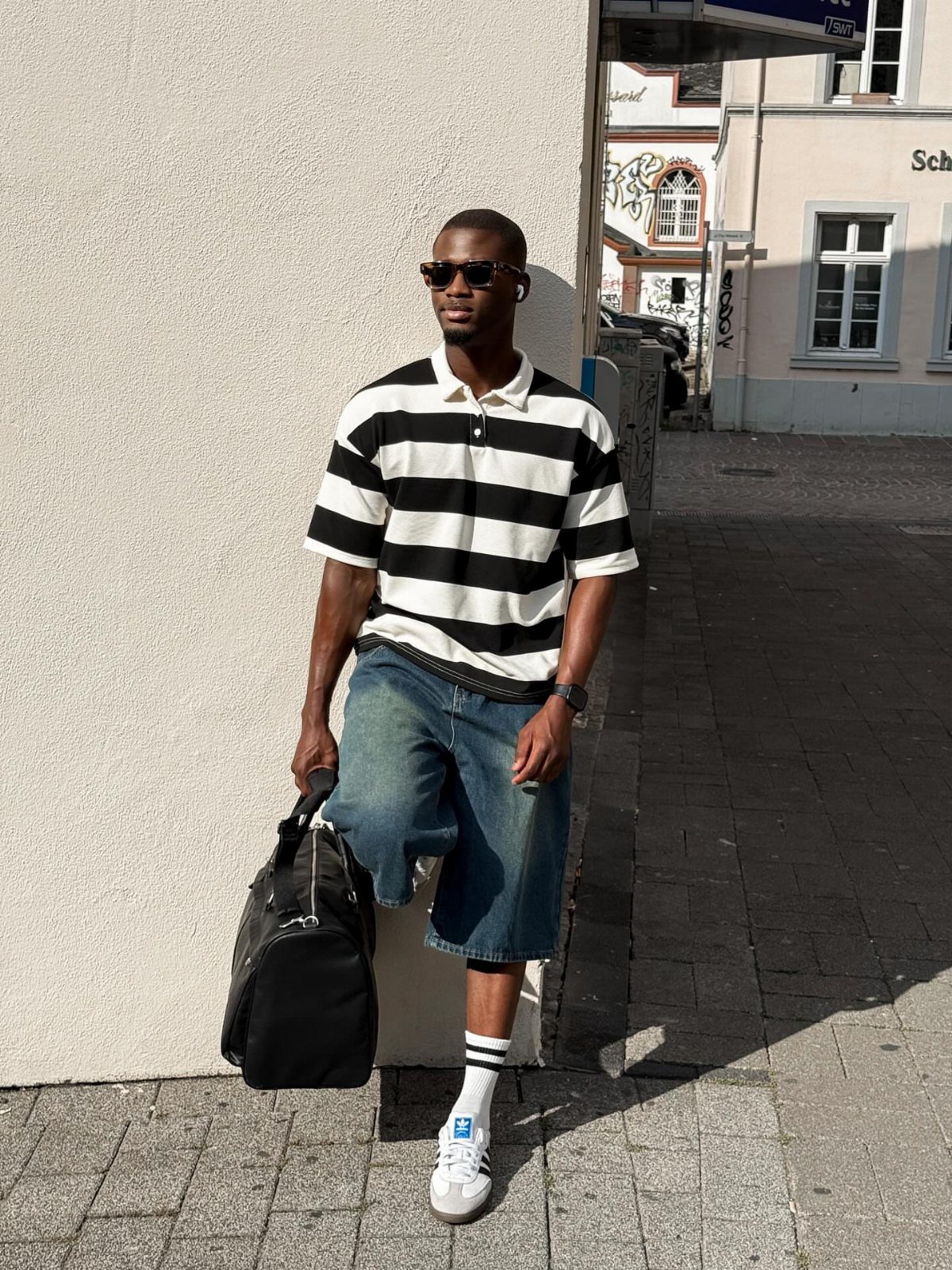
Stripes are what make a polo feel less like office wear. A black-and-white version reads graphic and clean, and it goes with nearly anything in your closet without any thought.
A polo works with denim shorts when the day is hot and loose, and with chinos in navy or stone when you want something tidier.
Keep the shorts roomy but not so baggy they swallow the shirt. I like sunglasses and plain sneakers to finish it, nothing more.
3. Layering Techniques
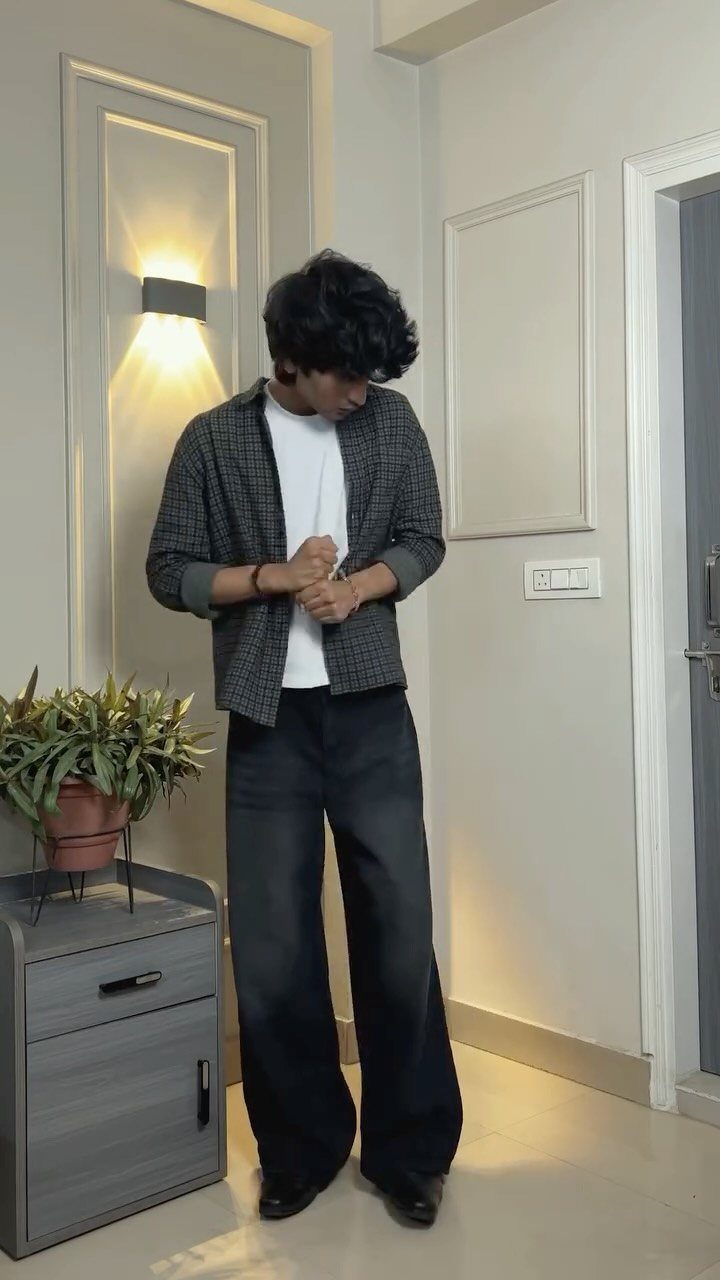
A plaid shirt worn open over a white tee is the easiest layer to get right. The white underneath breaks up the pattern and keeps the top half bright against dark pants.
Leave the shirt unbuttoned and let the hem hang loose.
Wide-leg trousers add volume below, so a roomy top can swallow you; keep the shoes dark and simple and let the pants do the talking. Roll the sleeves once if the cuffs bunch at your wrists.
4. Button-Down with Wide-Leg Trousers
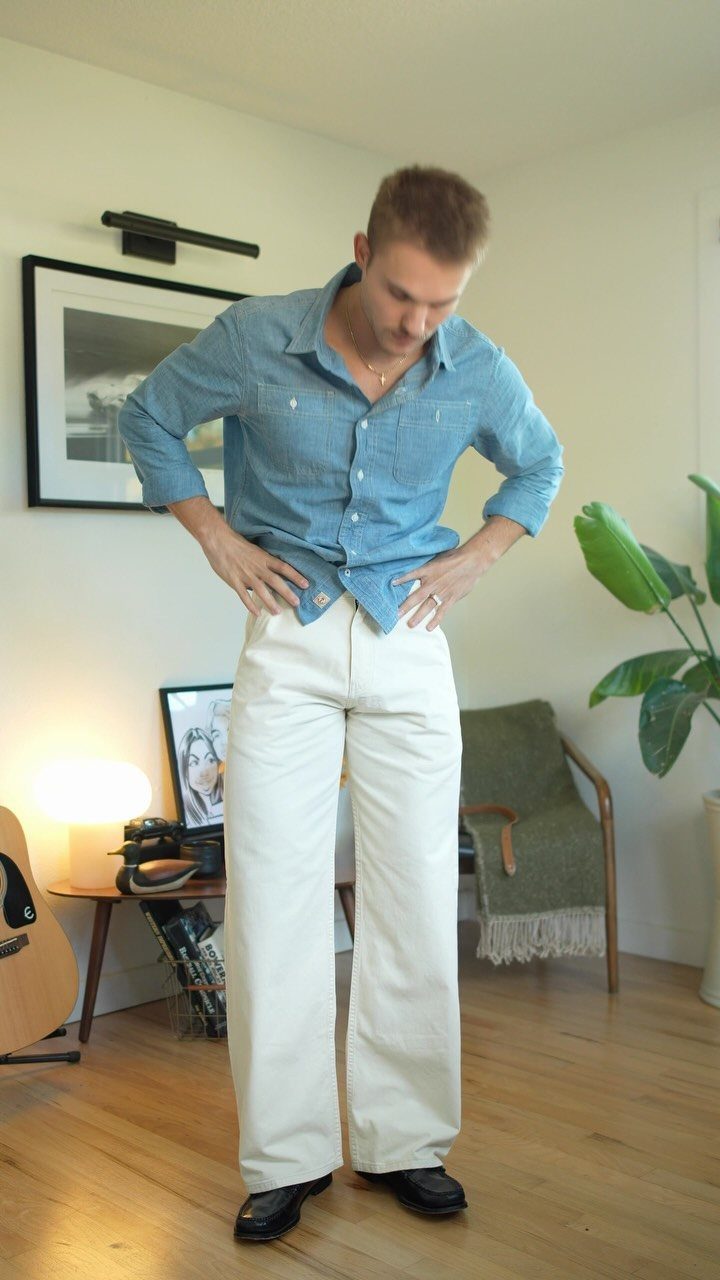
Light blue denim and cream trousers make a soft, low-contrast pair, and loafers keep the whole thing from looking sloppy. Wear the shirt untucked so the wide leg has room to move.
Check the shirt length: it should end around mid-zipper, or the proportions get boxy.
Black loafers give you the one dark note. I like this for a day when jeans feel too ordinary.
5. Open Shirt Over a T-Shirt
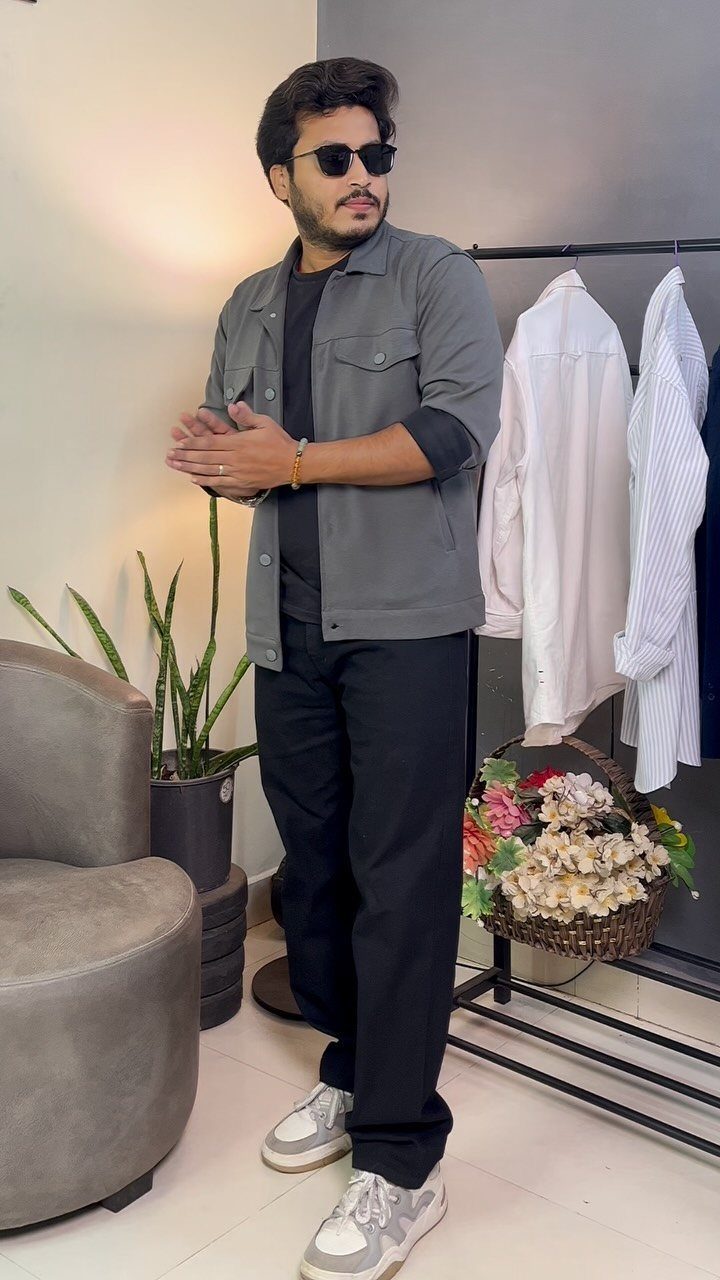
An open grey overshirt is a jacket substitute for days that don’t need one. Over a black tee and black trousers, it adds a layer without adding bulk.
Keep the tee and pants matched in black, and let the grey be the only change in tone.
Sneakers keep it casual. Leave the overshirt unbuttoned and untucked, since fastening it makes the outfit stiffer than it needs to be.
6. White Shirt and Jeans
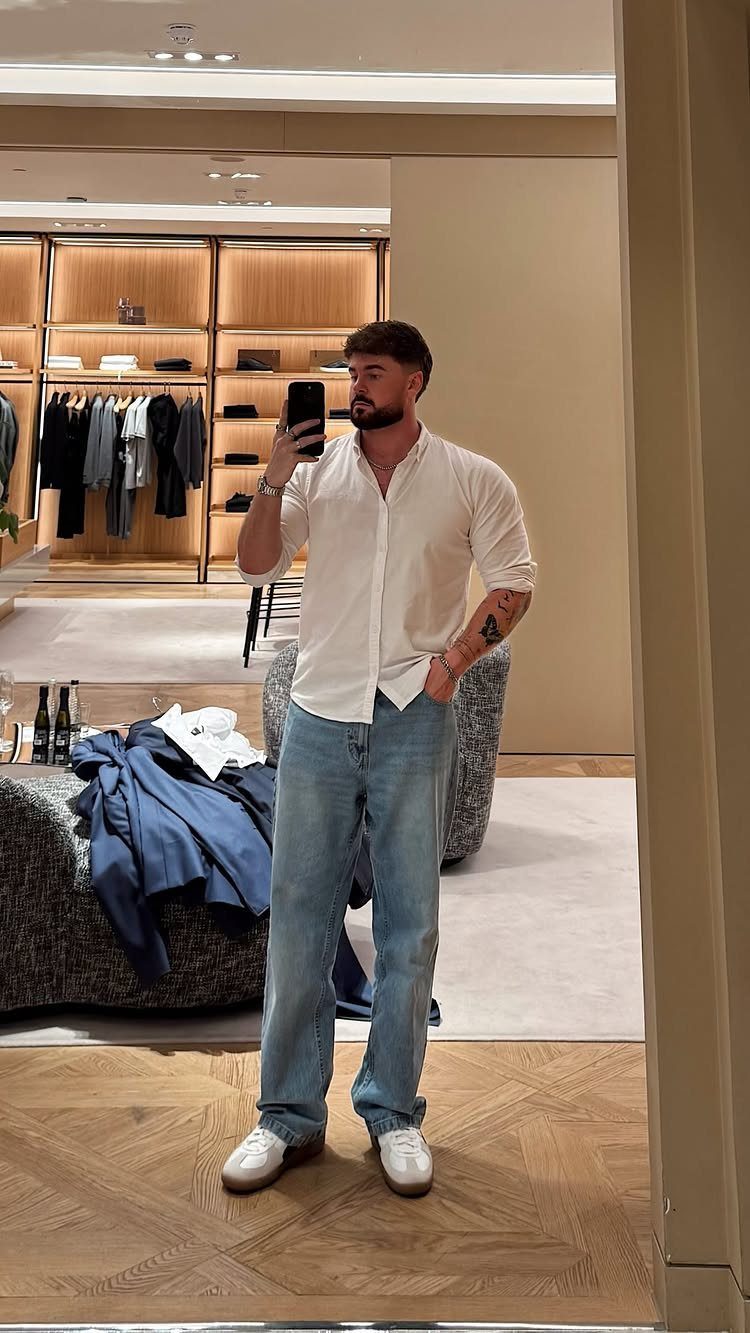
White shirt, light jeans, white sneakers: 3 pieces, no thinking. Untucked and loose, it looks relaxed rather than dressy, and rolled sleeves push it further that way.
Go for a shirt thick enough that it doesn’t show your skin through it, since a thin white will.
Loose light-wash jeans suit most body types because they skim instead of cling. Keep the sneakers clean; on this outfit, scuffs show immediately.
7. Graphic Tee with Light Jeans
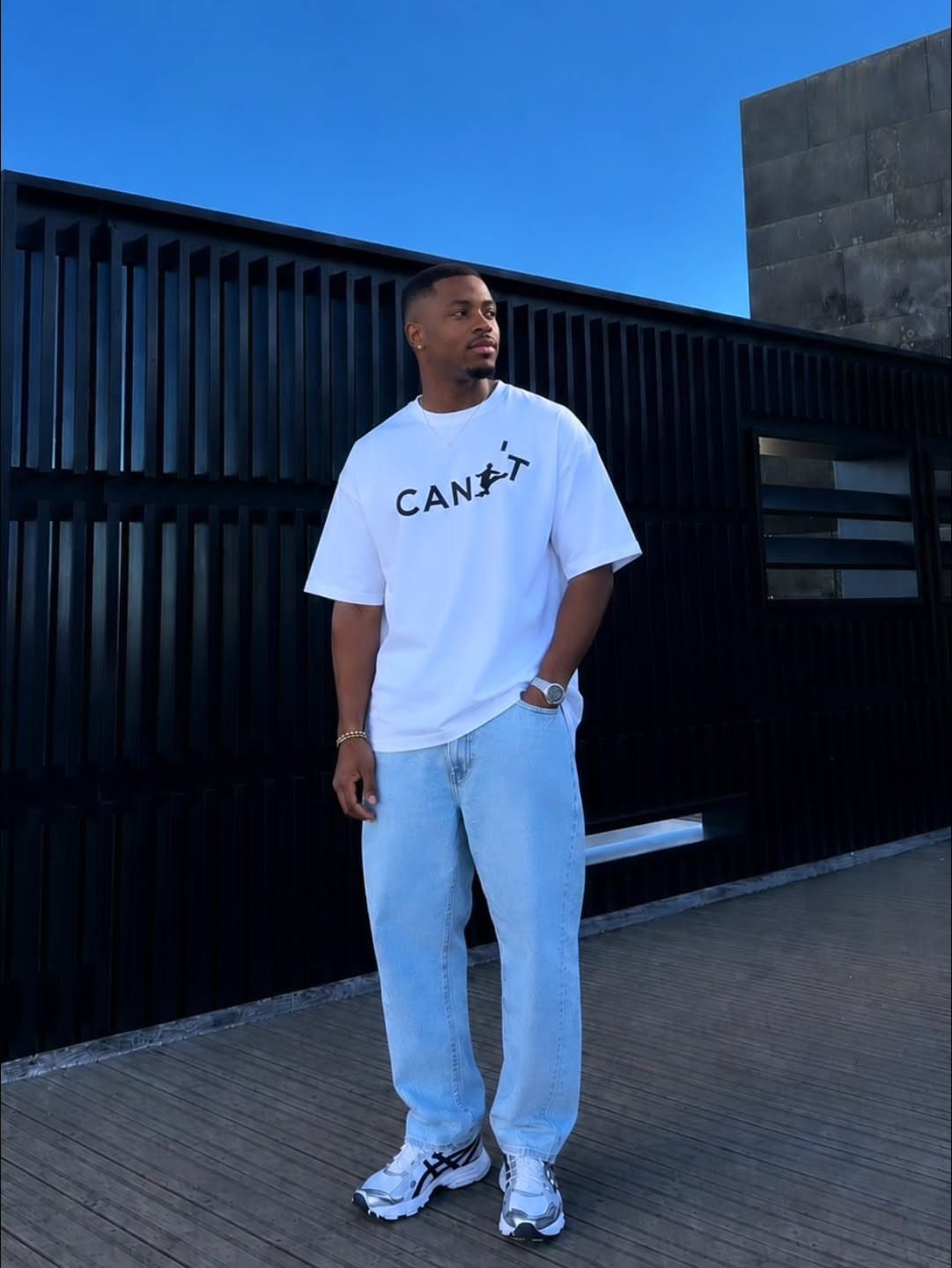
A graphic tee works best when the print is the only loud thing on you. White with black lettering and light blue jeans keeps the palette to 2 tones, so the words do the talking.
White sneakers finish it. Pick a tee that hangs straight from the shoulders and stops around your belt line; a boxy, heavy cotton holds the print better than a thin one.
8. Cardigan Over a T-Shirt
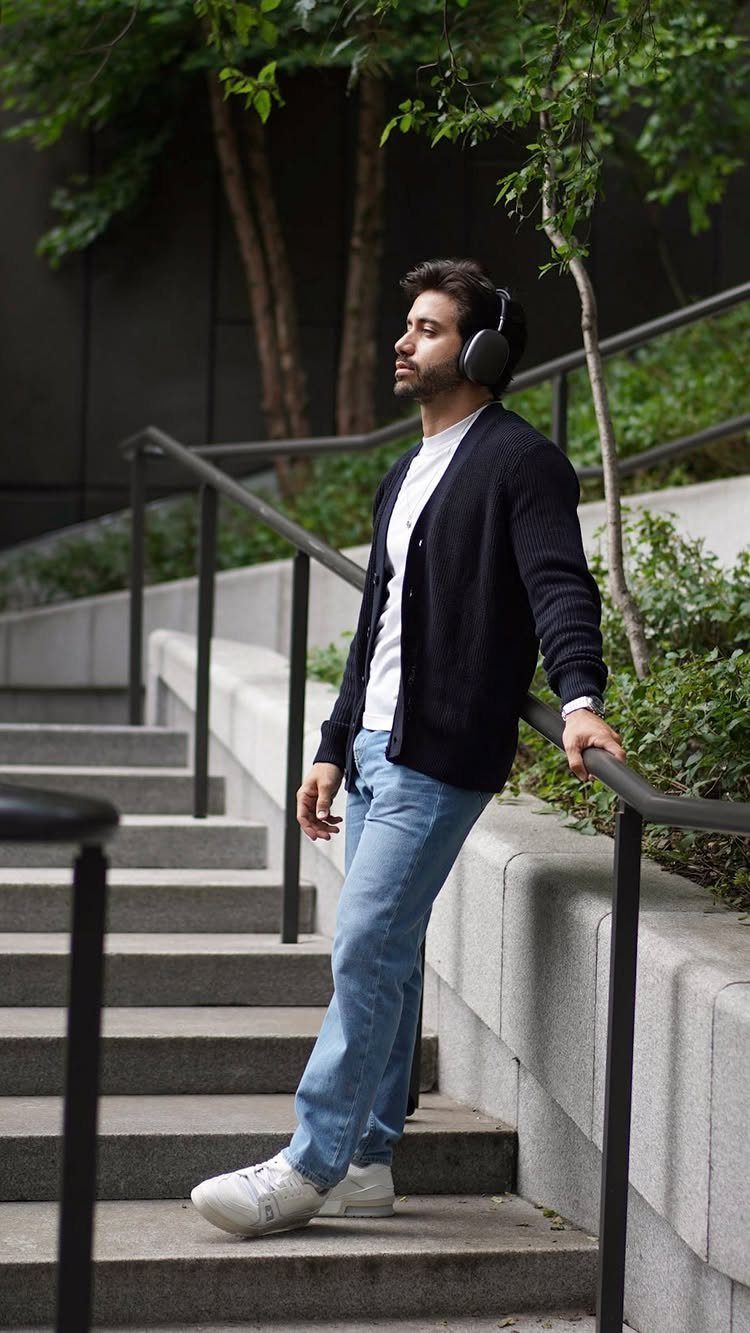
Navy knit over a white tee gives you a layer that looks deliberate and takes no effort. Leave the cardigan open so the white shows down the middle and breaks up the dark.
Light-wash jeans and white sneakers pick up the tee’s brightness at the bottom, so the darker cardigan reads as one layer instead of the whole outfit.
I’d pick a cardigan that ends at the hip; a longer one drags the proportions down on a shorter frame.
9. Monochrome Turtleneck and Trousers
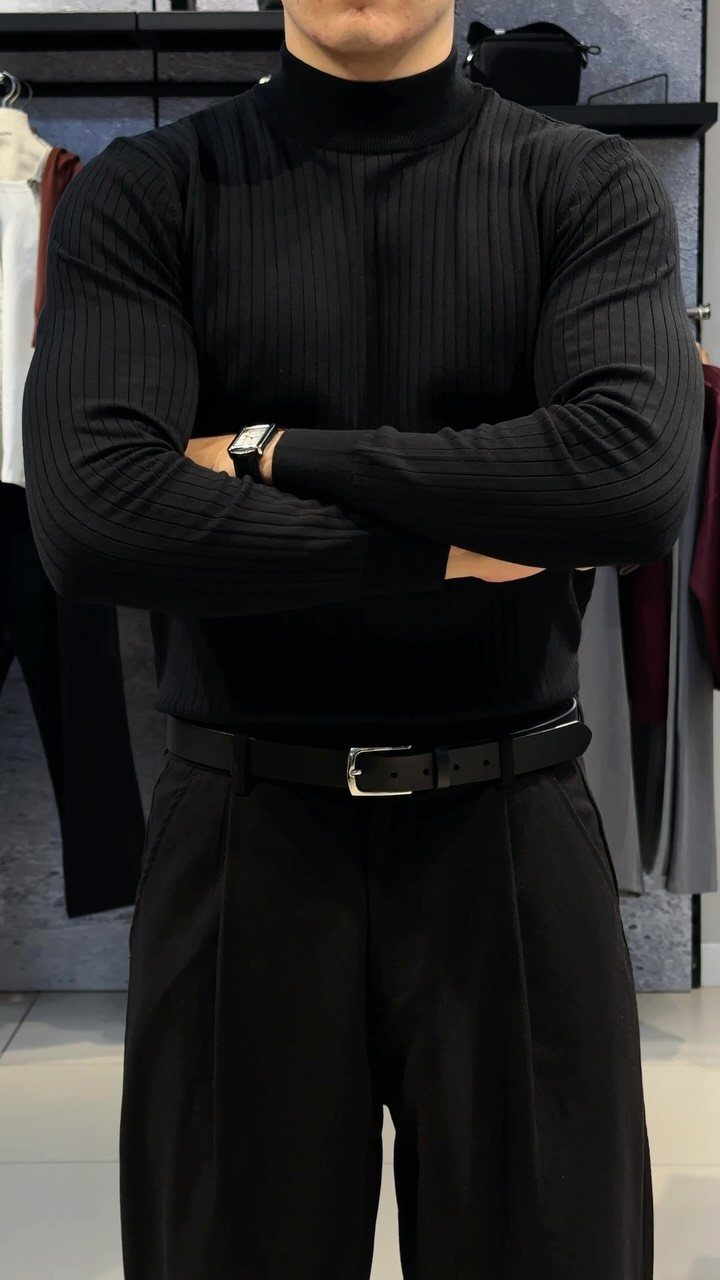
All black can look flat, and ribbed knit is what fixes that. The texture of a fitted turtleneck catches light that a smooth tee never would.
Tuck it into pleated trousers and add a black leather belt so the waist reads clean.
Keep the belt and shoes in the same black, or the match falls apart. This is my pick for a casual dinner, and it asks for nothing else.
10. Crewneck Sweater with Wide Trousers
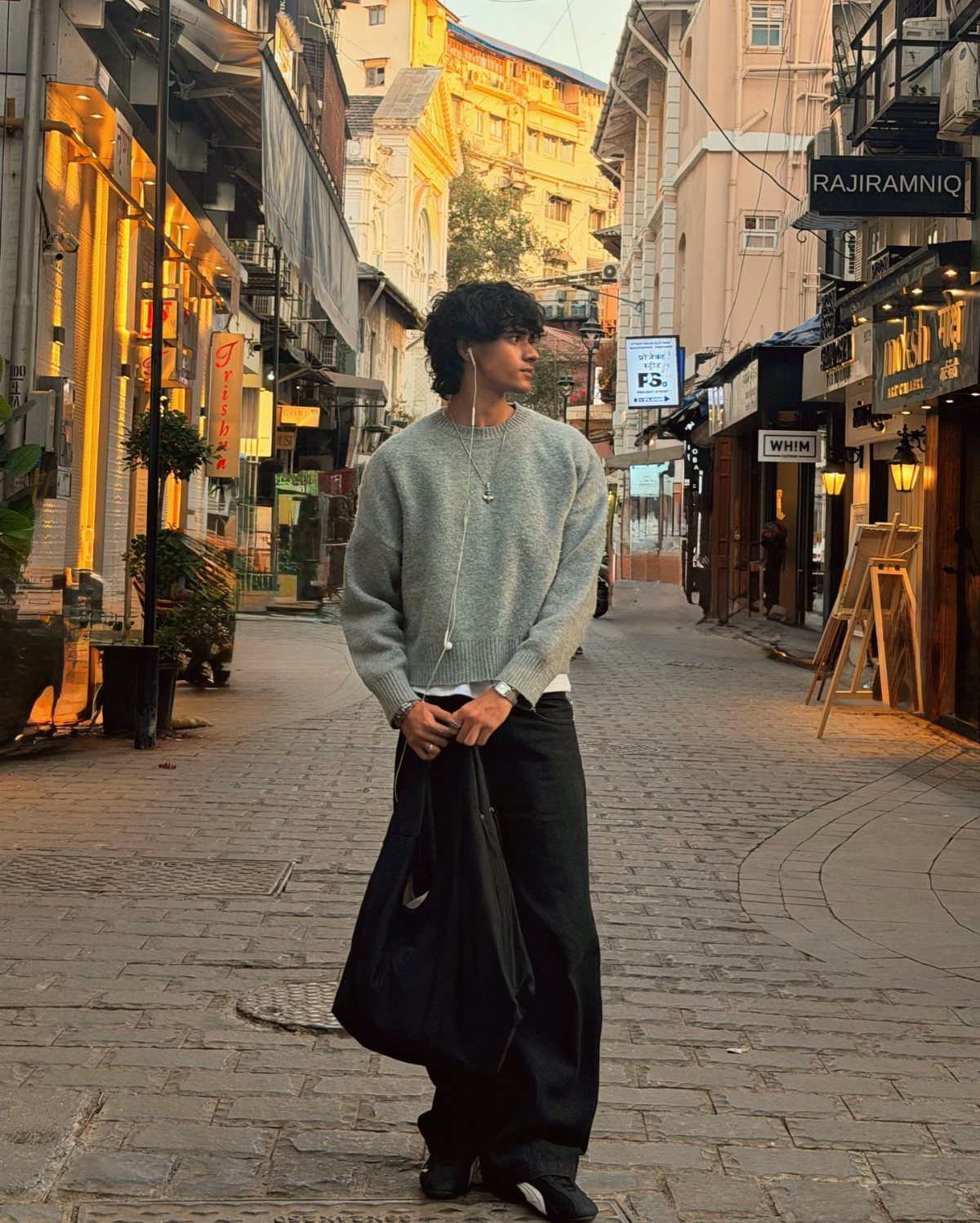
Wide-leg black trousers need a top that stays close to the body, and a grey crewneck does that. The sweater’s soft tone stops the all-dark lower half from feeling heavy.
Let the hem sit at the hip or tuck the front only.
Dark sneakers keep the line unbroken, and a tote bag carries what pockets can’t. Make sure the trouser hem just clears the shoe, or the width starts to look sloppy.
11. Collared Utility Jacket Outfit
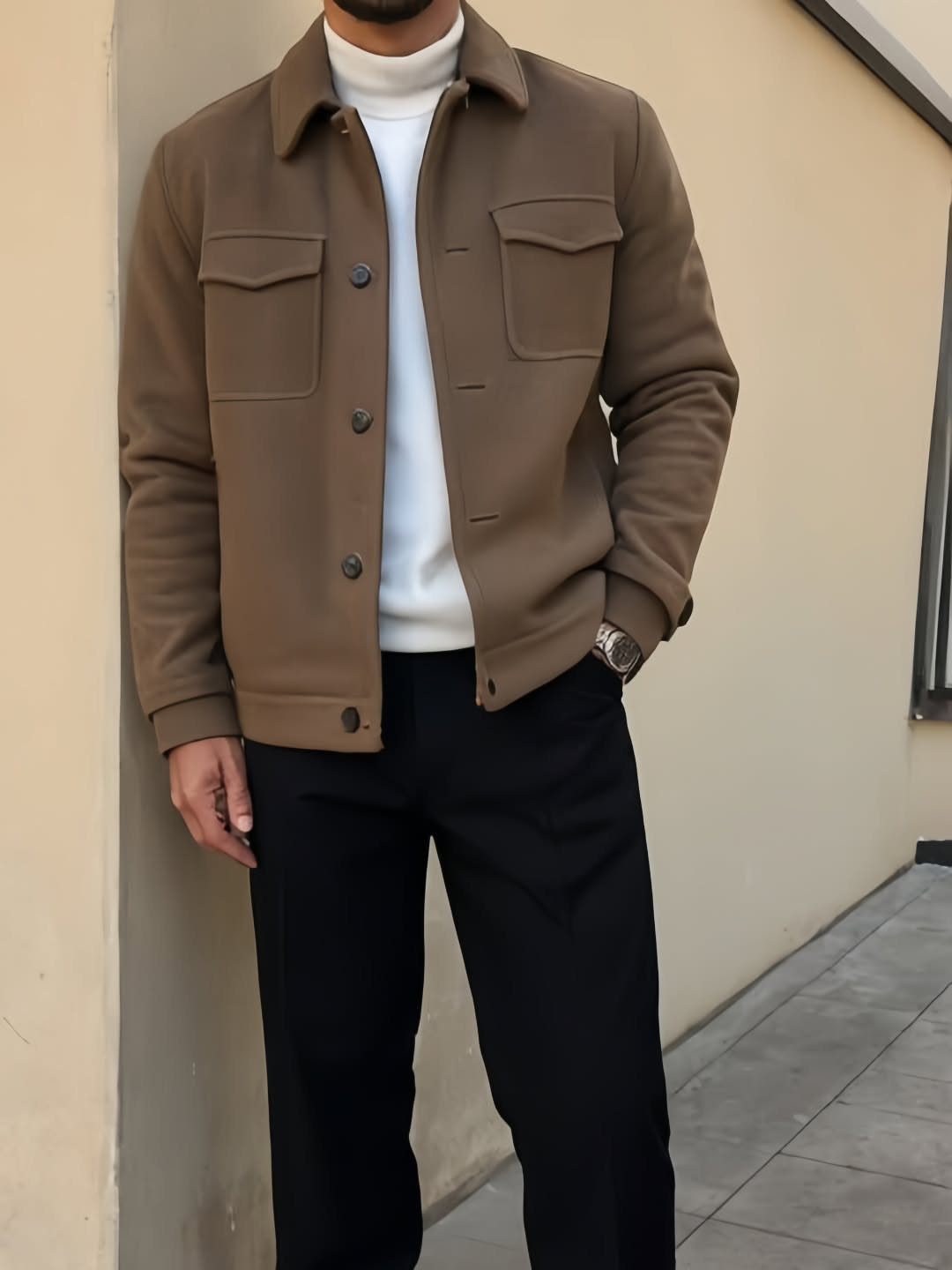
A brown collared jacket with chest flap pockets works like a shirt-jacket: sturdier than an overshirt, lighter than a coat. Over a white turtleneck and black trousers, the brown becomes the one warm note.
Keep the jacket open to show the white.
Black trousers ground it, and plain black shoes finish it. I’d skip a belt with a turtleneck this clean; fewer lines read better.
12. Bomber Jacket with Denim
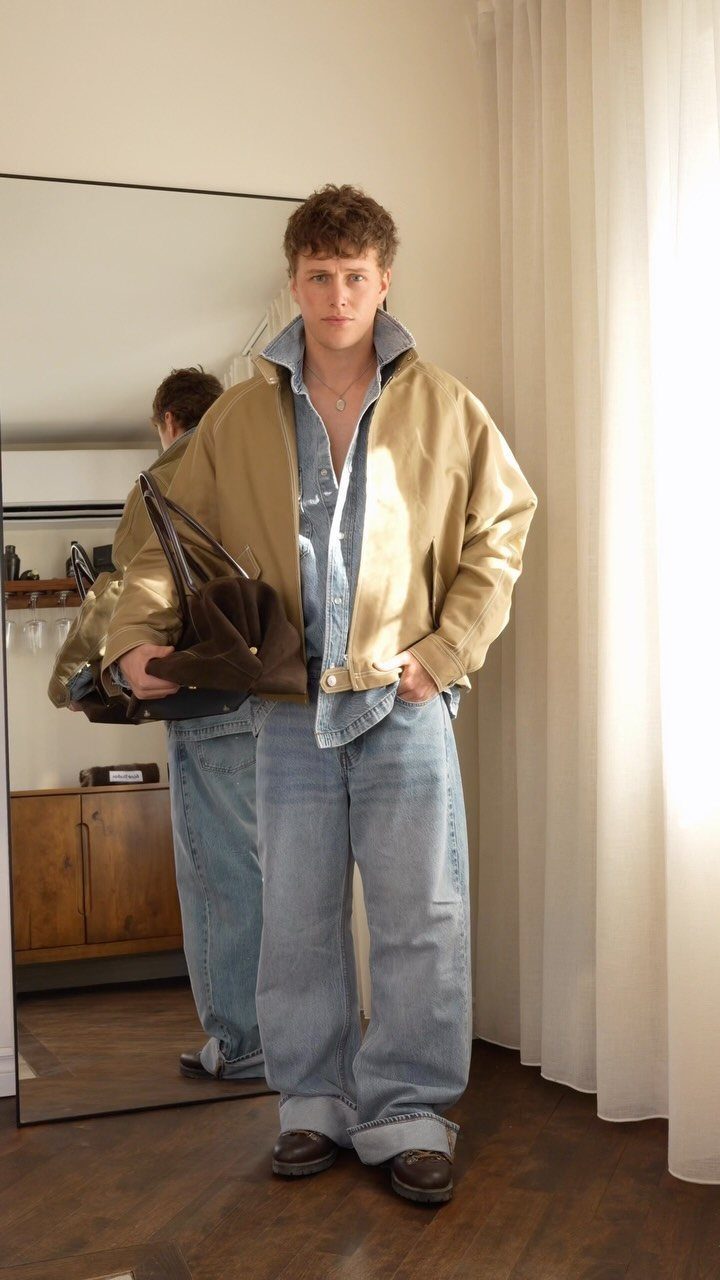
Denim on denim only works when the washes differ, so a tan bomber over an open denim shirt gives the shirt room to stand out. Wide-leg jeans with a cuff add weight at the bottom, balancing the shorter jacket.
Dark boots keep the cuff from looking top-heavy. The creator behind this look says 25+ outfits come from just these pieces, which is the argument for buying them: each one mixes with the rest.
13. Oversized Tee and Baggy Pants
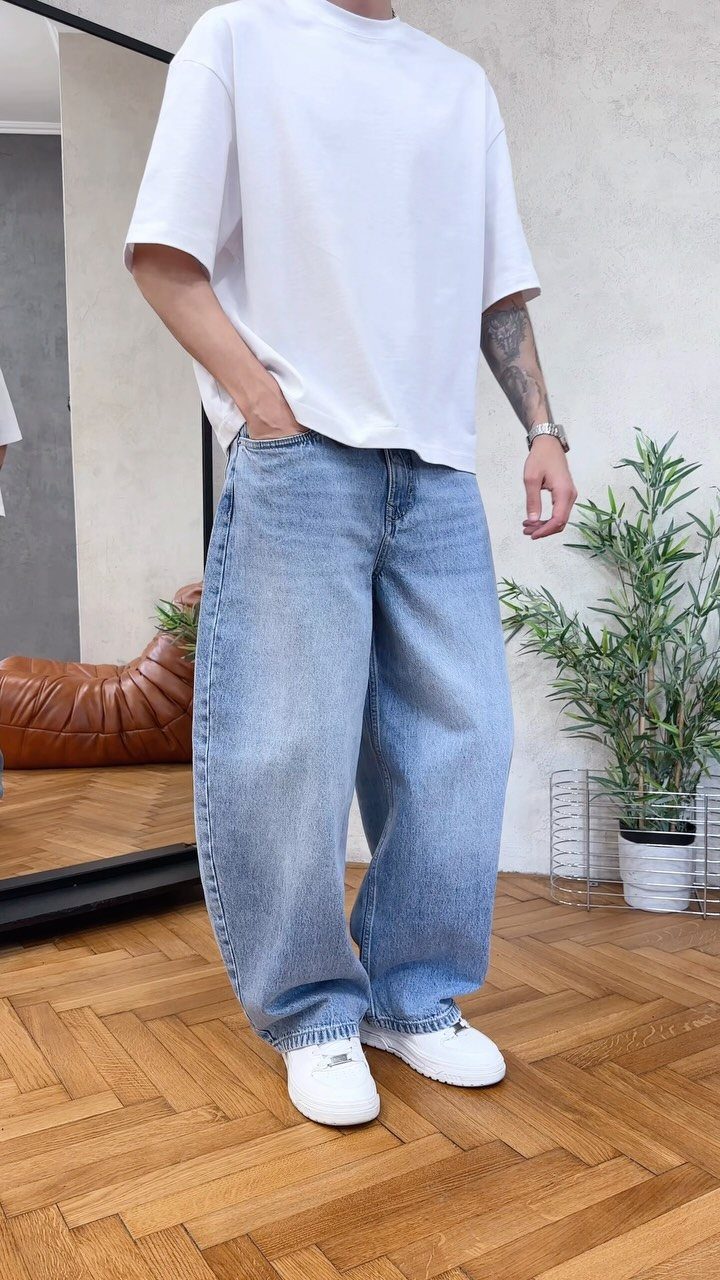
Oversized on top and baggy below only works when the 2 shapes differ a little. A white tee with a dropped shoulder over wide light blue jeans keeps the palette soft, so the volume reads as a choice.
Let the jeans break on the shoe without pooling, and pick a tee heavy enough to hang straight rather than cling. If you’re shorter, I’d keep the tee hem at the hip.
14. T-Shirt with Casual Shorts
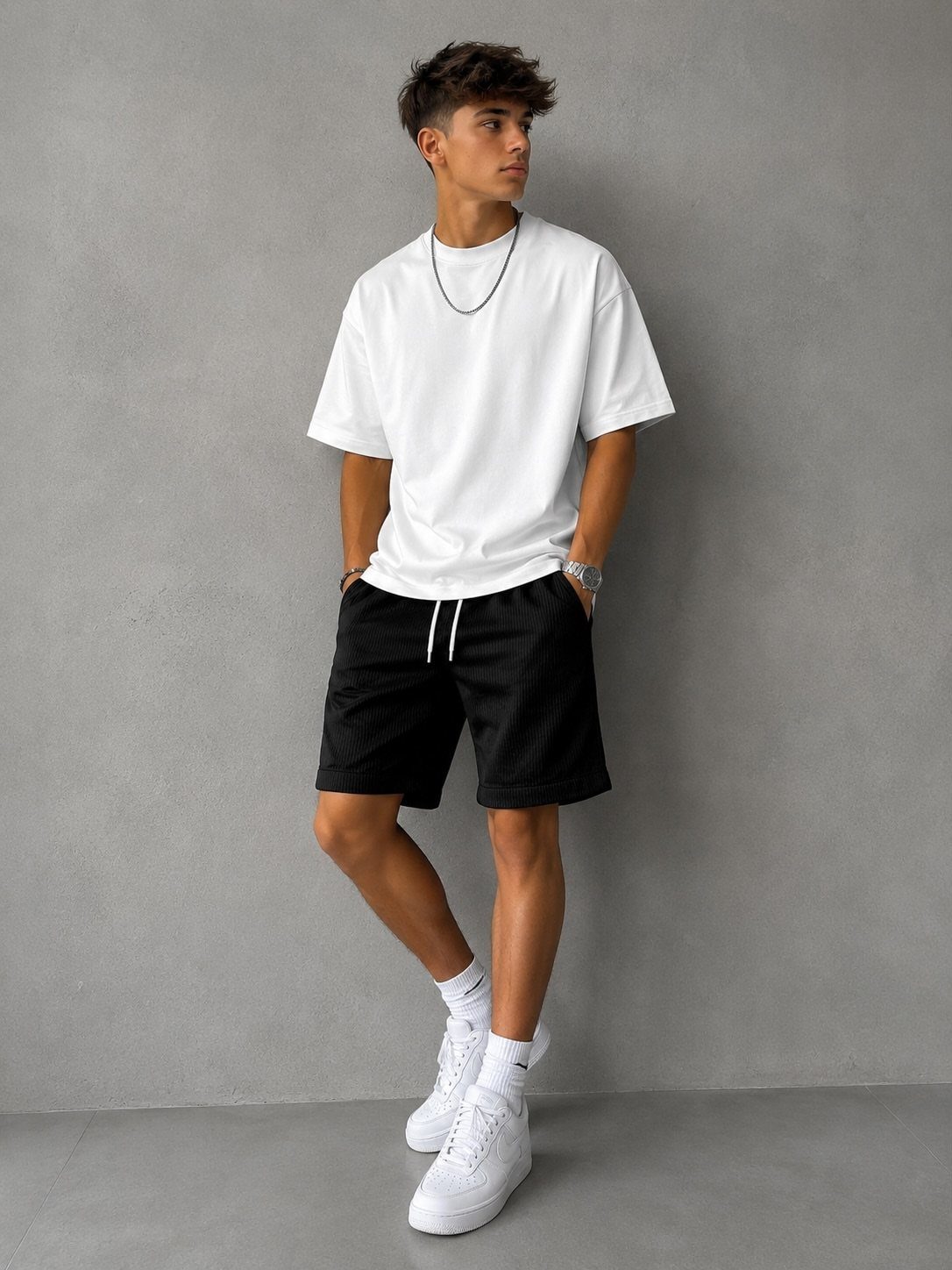
Black drawstring shorts and a white tee make the simplest warm-weather pairing I know. Contrast carries the outfit here, so nothing else needs to be loud.
White crew socks and white sneakers tie back to the shirt.
A silver chain and a watch are enough jewelry, and I’d stop there. Pick shorts that end around the knee; the oversized tee already supplies the volume.
15. Striped Button-Down with Shorts
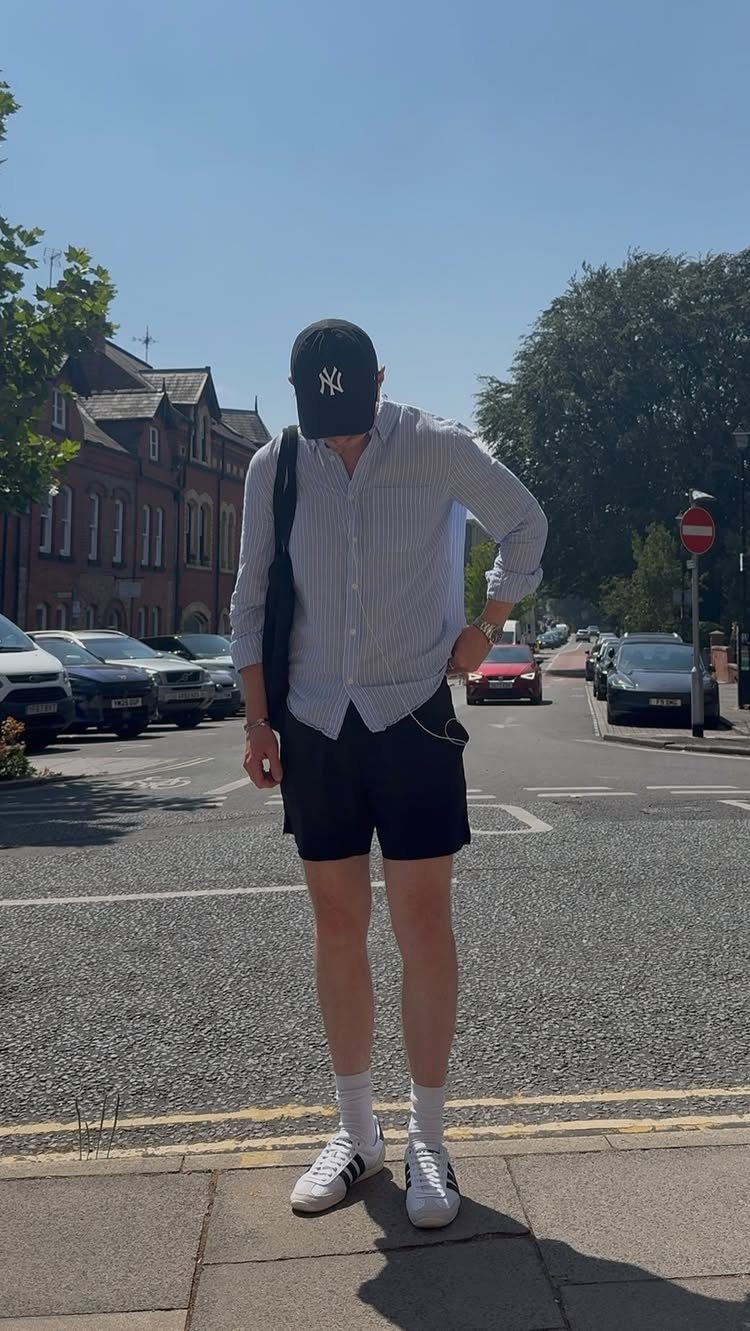
Pale blue stripes soften black shorts in a way a plain white shirt doesn’t. The pattern is fine and low-contrast, so the shirt reads relaxed even though it has a collar.
Wear it untucked and leave the top button open. Rolled sleeves suit it on hot days.
16. Patterned Short-Sleeve Shirt with Trousers
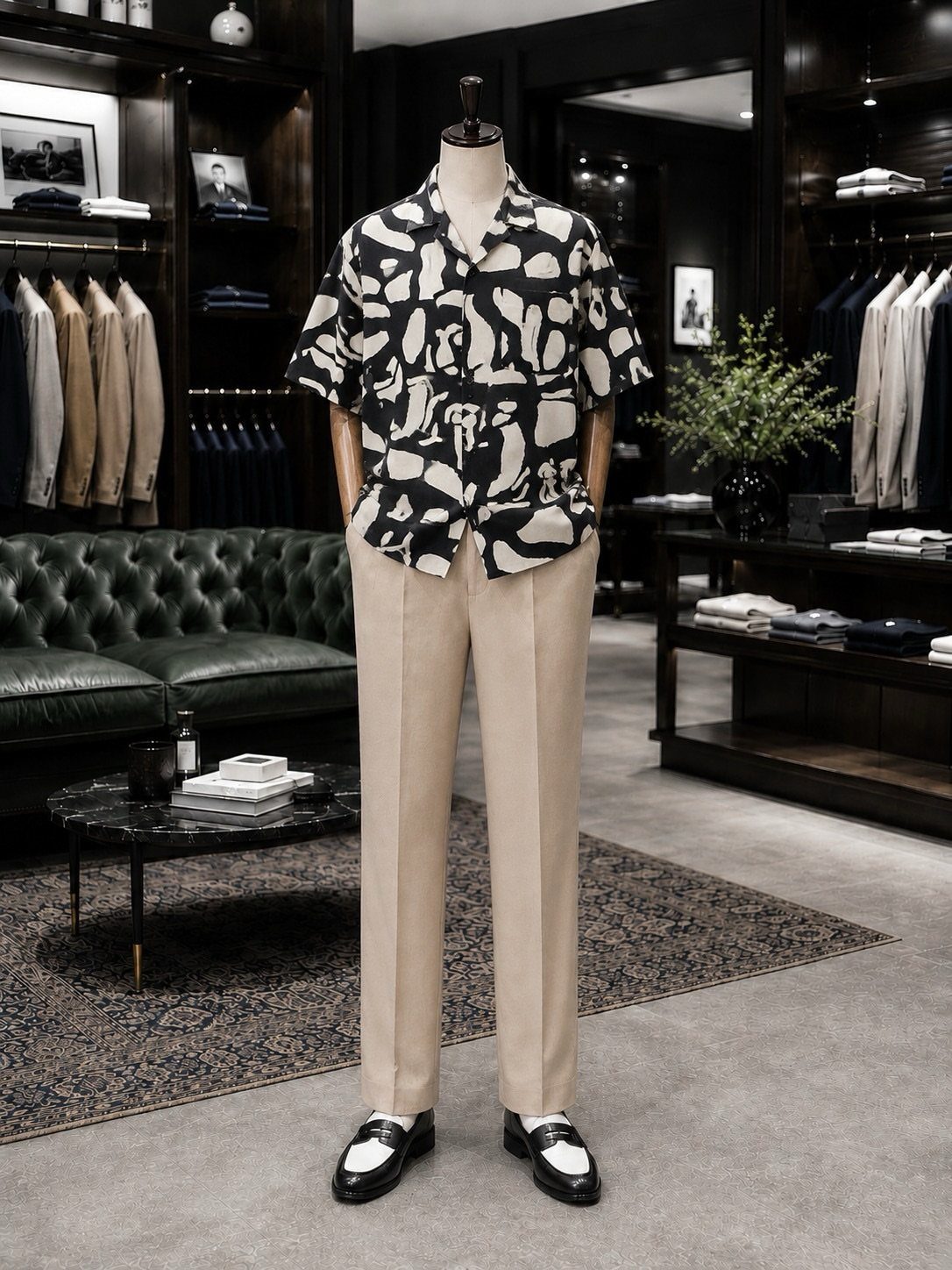
A short-sleeve shirt in black and white print looks dressed up once it sits over tan trousers. The neutral pant gives the pattern a quiet place to land.
Loafers push it toward smart casual; I’d pick them over sneakers here. Keep the trousers tailored and the shirt tucked or hemmed short enough to wear out, so the print stays the only busy thing in the outfit.
17. Work Blazer
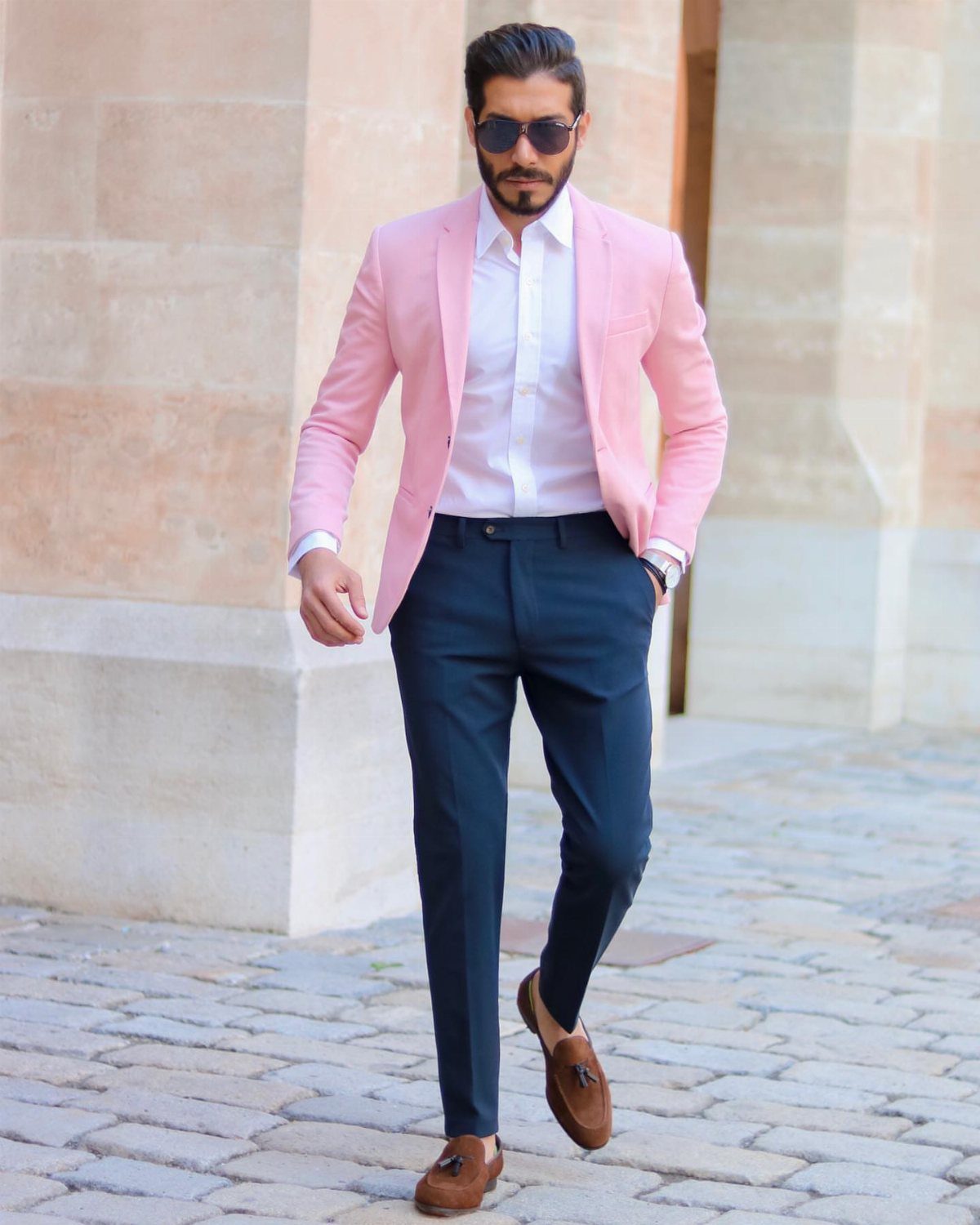
A pink blazer feels casual when the rest is plain: a white shirt, navy trousers, brown suede loafers. Suede is softer than polished leather, which keeps the jacket from looking like a suit.
Leave the collar open and skip the tie.
Choose a blazer with a soft shoulder and no heavy padding. Navy is the safe base under a bright jacket, and I’d keep it that way.
18. Color Palette
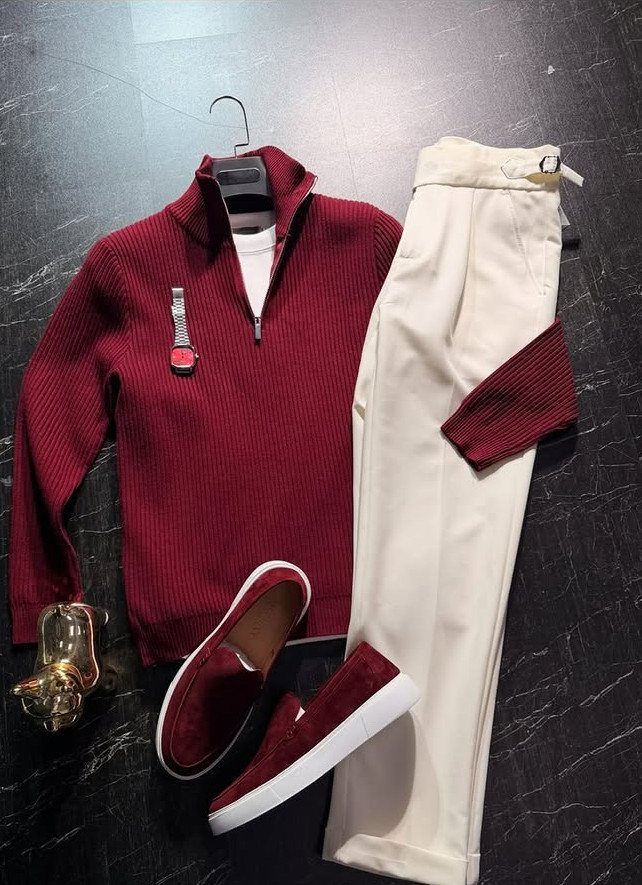
One color repeated three times looks planned. Burgundy sweater, burgundy slip-on sneakers, and white trousers hold the outfit to 2 tones, and the white lets the red read rich rather than heavy.
Match the shoe to the sweater closely, since a near miss looks like a mistake. Add a silver watch for contrast, and stop there.
Common Style Mistakes
Fit decides more than any single piece you buy. A tailor can fix sleeves, hems and waists for far less than a new garment costs, so find one nearby and use them.
Carelessness shows faster than a wrong choice. Wrinkled fabric, scuffed shoes and worn hems tell people you didn’t look in the mirror, even when the outfit itself is fine.
Mismatched colors usually come from grabbing whatever is clean. Pick a base of neutrals and the problem mostly disappears.
Hoodies and ripped jeans read as the laziest end of casual. Save them for errands, and don’t wear the same thing to every occasion.
Keep the outfit simple and one detail can stand out, like a colorful beanie or a rugged leather flight jacket. Less competing around it makes that detail look intentional.
Dressing for Occasions
Spend a week watching what people at your workplace wear. Aim for the best-dressed tier you see in the room, one step up from the average, and you read as put together without looking like you tried too hard.
If the dress code is a mystery, a solid shirt and clean, pressed pants will rarely steer you wrong.
Think of each piece as a scale from dressed down to dressed up.
A button-down shirt, quality chinos, loafers and a black or navy structured blazer sit at a sound baseline. Moving up means oxfords, wool dress pants or a dress shirt; moving down means a fitted tee, jeans or a leather jacket.
Some things stay out of the office entirely: graphic tees, tank tops, cargo pants, sweatpants, sandals and hoodies.
A sales presentation and a team-building afternoon call for different outfits, so decide the tier before you get dressed.
Because business casual doesn’t have to be boring. You should still look like you: Your job is just to find which pieces land on the bullseye in the Venn diagram featuring your job and your sartorial vibe.
— GQ
Seasonal Wardrobe Adjustments
A few light jackets, say a bomber, a chore coat and an unlined field jacket, can sharpen a plain tee-and-jeans outfit without much effort.
Suede bombers, wool overshirts and unstructured blazers are the pieces I would start with, since each one dresses up a plain tee or shirt.
Texture gives you depth without adding color. You can stay in simple, neutral shades and still make an outfit look layered by mixing tactile fabrics like denim, suede and flannel.
In summer, swap heavy fabrics for lighter ones and let the jacket do less. In winter, add layers rather than one thick piece, so you can adjust indoors.
Frequently Asked Questions
What is business casual?
Business casual sits one notch below a suit and tie: relaxed in fabric and cut, but pressed, fitted and clean.
A typical version is an oxford button-down, chinos, leather loafers and an unstructured navy blazer, with the tie left at home.
It sits in the middle of the scale between a fitted tee and jeans on one end and oxfords and wool dress pants on the other.
How do I build a business casual wardrobe?
Build around 4 or 5 pieces that pair freely: a white and a blue oxford, khaki and navy chinos, brown loafers and one navy blazer with some structure.
A few of these can be dressed up or down by swapping one item, so you get many outfits from a small set. Add texture through suede, wool and flannel rather than extra color, and keep the base in neutrals.
What should I avoid in business casual?
Skip graphic tees, tank tops, cargo pants, sweatpants, sandals, hoodies and ripped jeans.
They read as too relaxed for most offices. Since every workplace differs, watch what the best-dressed people wear and aim for that level.
How do I know what to wear when the dress code is unclear?
When you have no information, a plain shirt with pressed pants almost never reads as wrong. Watch what your coworkers wear for a week, then dress one level above what most of them choose.