
A tailor can shorten sleeves and take in a waist cheaply, which makes the shoulder seam the one thing to check first.
A tailored patterned blazer or a zip-up cardigan looks sharp only when the shoulder seam ends where your shoulder does.
1. Invest in a Bespoke Suit
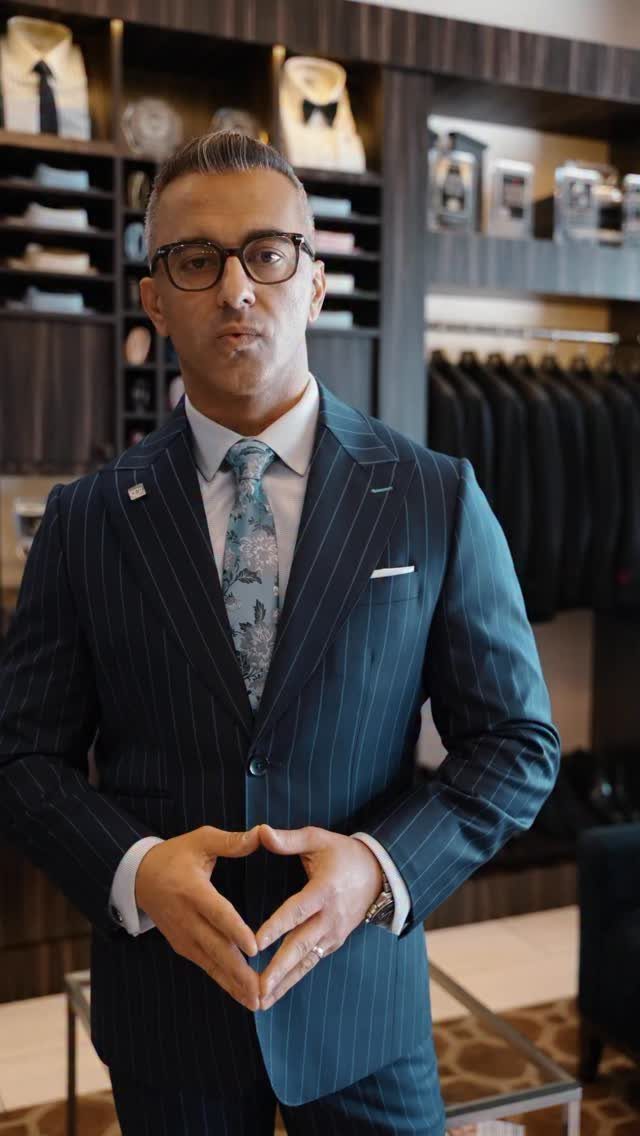
A navy pinstripe holds its own with a floral tie, and that pairing is the detail I’d copy. The stripe keeps the suit serious, so the tie can carry the personality.
Bespoke means the suit is cut to your measurements, which matters most past 40, when shoulders and waist rarely match off-the-rack proportions. It costs more than a ready-made suit, so I’d spend on one navy suit before buying three cheaper ones.
A plain white shirt lets the tie carry the only pattern, and that restraint is what makes a bespoke suit read as expensive.
2. Quality Footwear
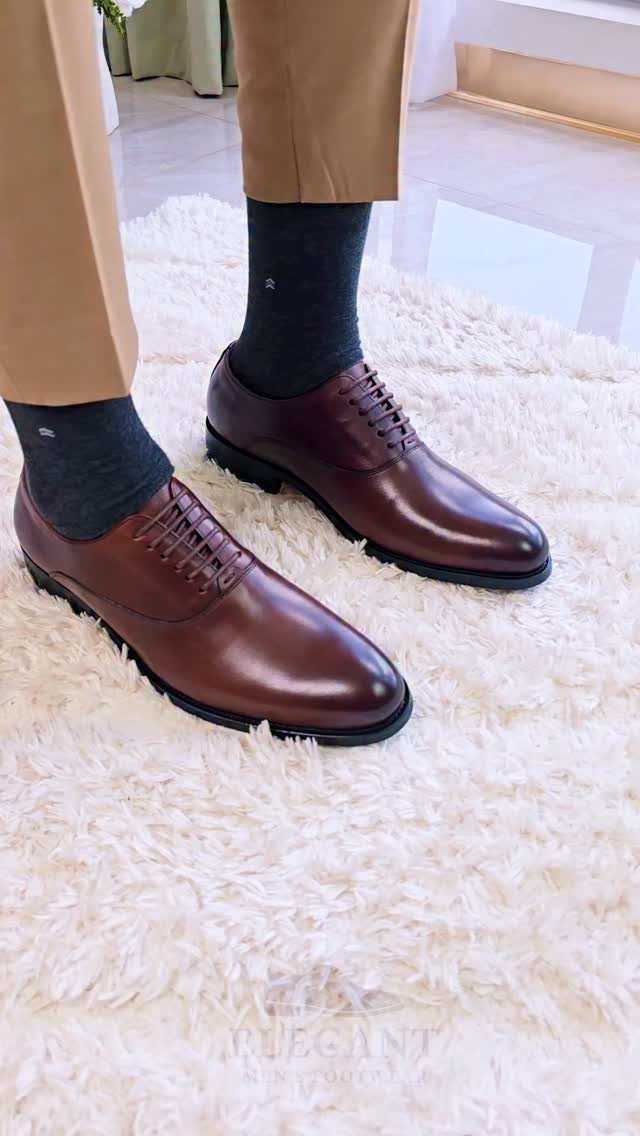
Polished brown leather shoes do more for an outfit than almost anything above the ankle. Tan trousers with dark socks and a dark brown pair is a combination I trust: the shoe anchors the look, and nothing clashes.
Match the shoe to the occasion.
Oxfords and derbies in dark brown suit the office and dinner alike, and a quick polish costs little. Buy one good pair before several average ones.
3. Neutral Chinos
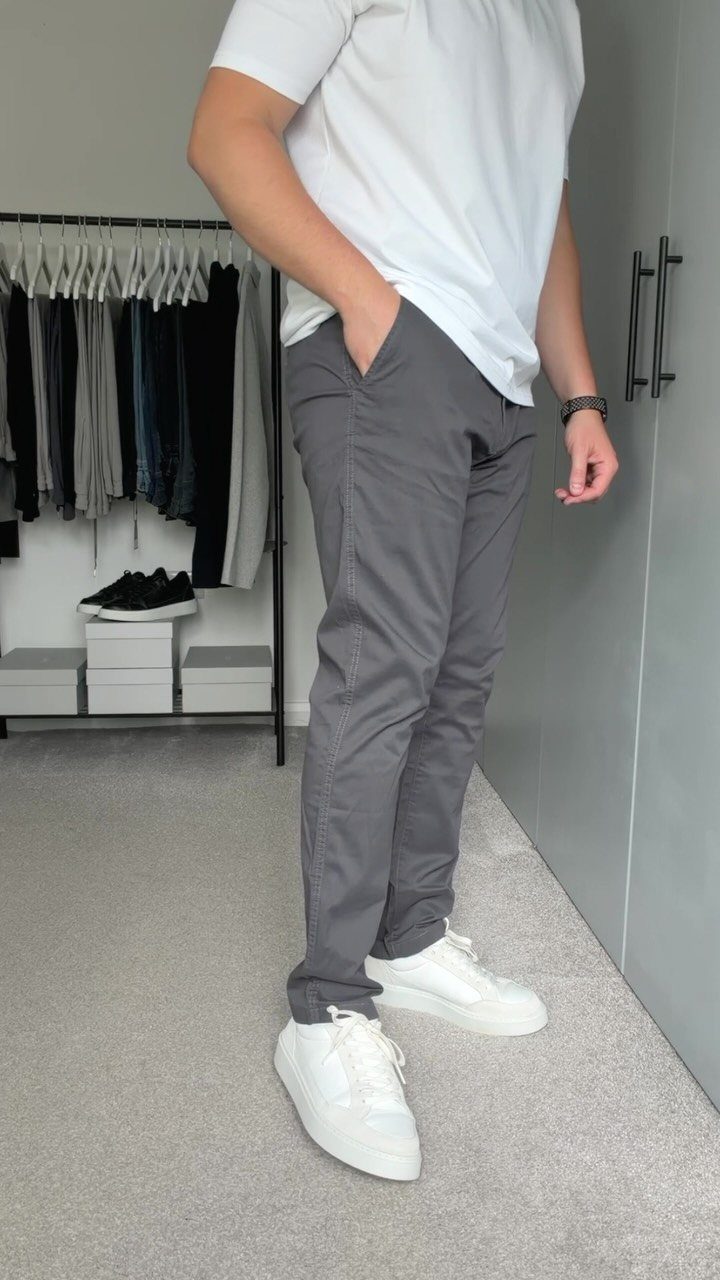
Grey chinos are the pants I reach for when jeans feel too casual and trousers feel like too much. Worn with a white T-shirt and white sneakers, they give a clean, quiet outfit that takes about 2 minutes to put together.
Choose a neutral shade like grey, because it pairs with nearly every top you already own. Fit matters more than price: the leg should skim, not cling or pool at the shoe.
Swap the tee for a knit when the weather cools.
4. Invest in Quality Knitwear
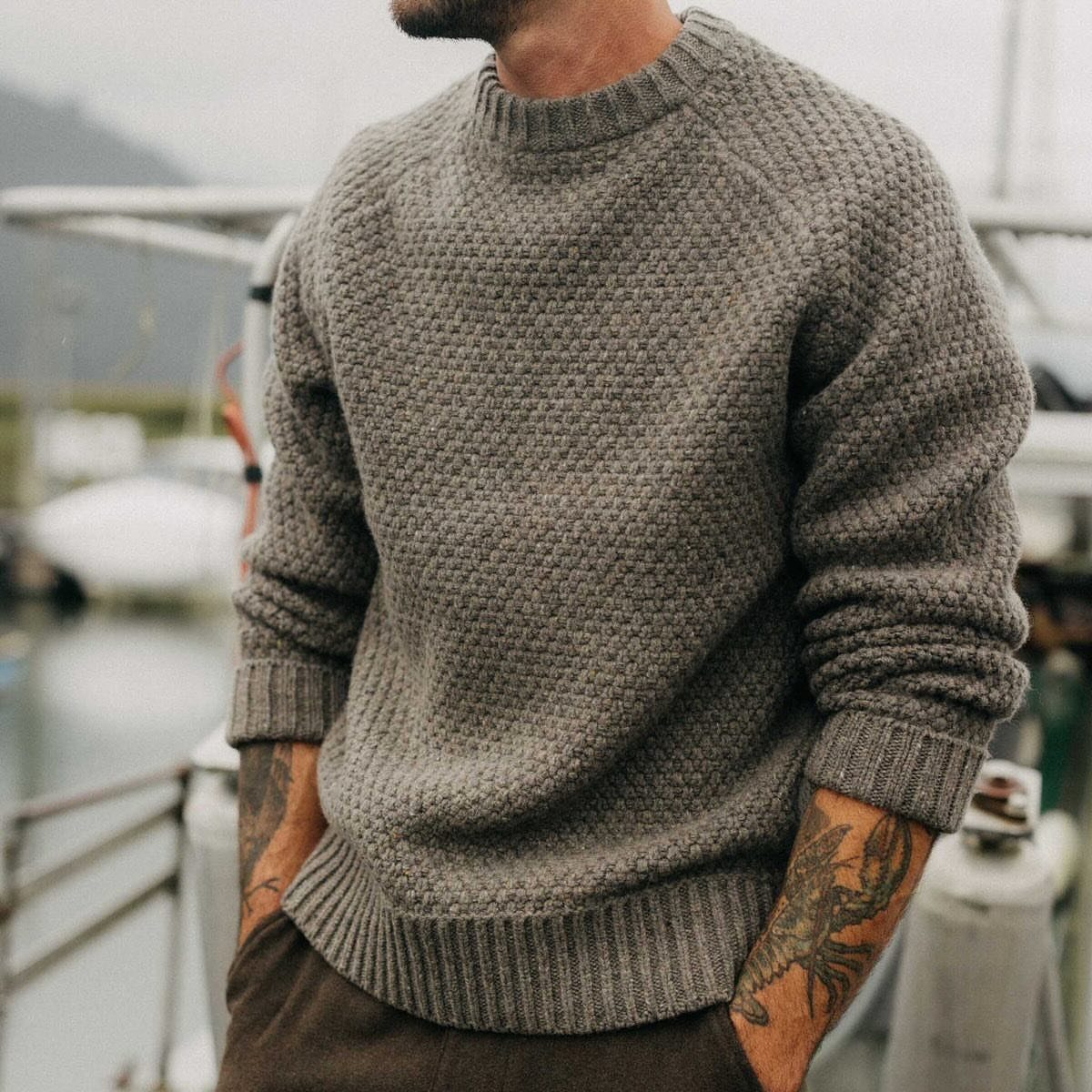
A thick, textured crewneck does the work of a jacket without the stiffness.
Look for visible texture and a substantial weight, since flat thin knits tend to look tired quickly. A close fit across the shoulder line with enough room to move in is where comfort after 40 really lives.
Push the sleeves to the forearm for a casual finish.
5. Tailored Patterned Blazer
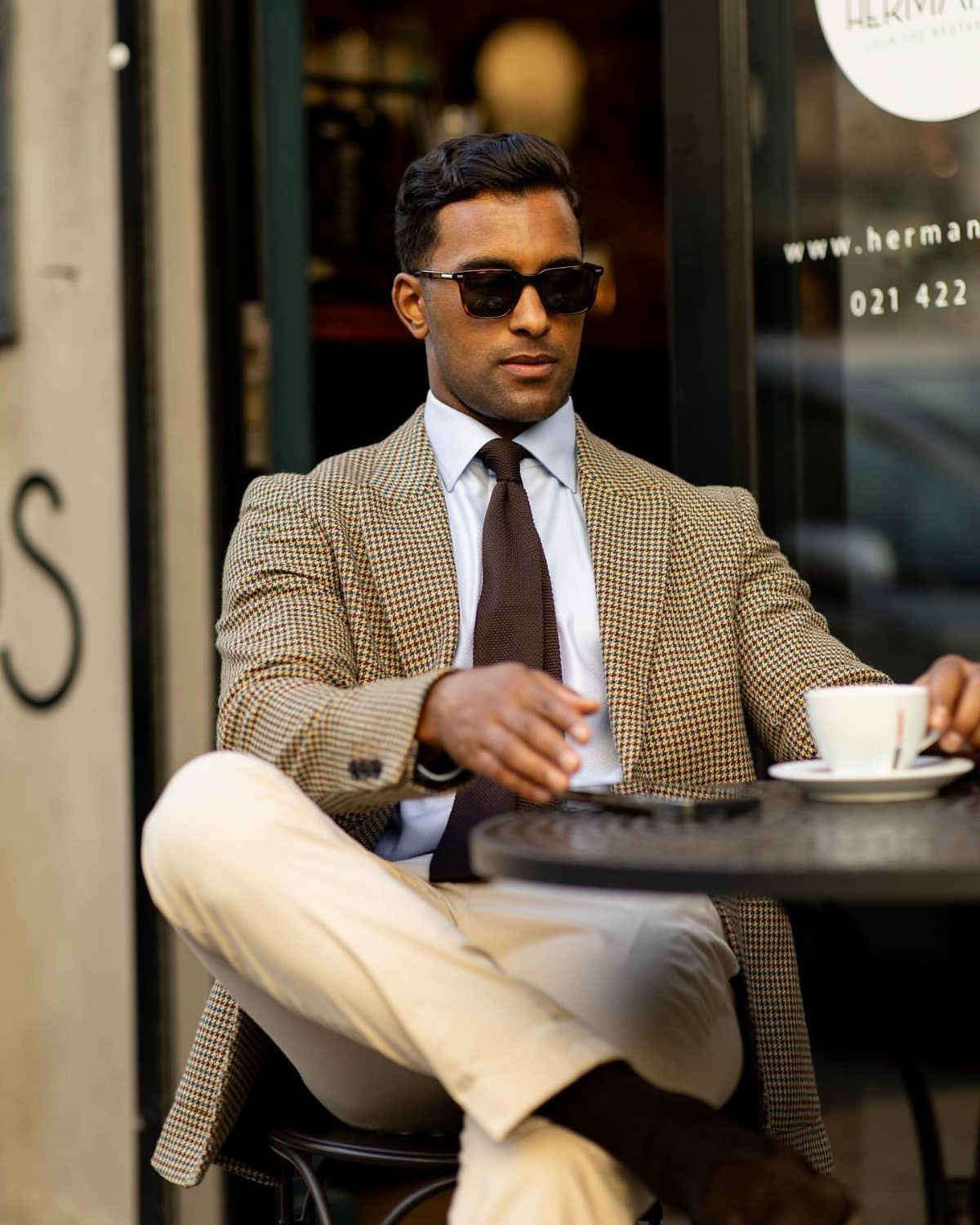
Houndstooth in brown is a patterned blazer that behaves like a neutral. A light blue shirt and a brown tie pick up its tones, so everything reads as planned without much effort.
Keep the pattern to the jacket only.
Solid shirt, solid tie, and cream trousers let the blazer speak. Tailoring matters here: the shoulder seam should end where your shoulder does, because a loud pattern magnifies a poor fit.
I’d pick a medium-scale houndstooth over a bold check, which is easier to repeat across seasons.
6. Casual Jacket with White Trousers
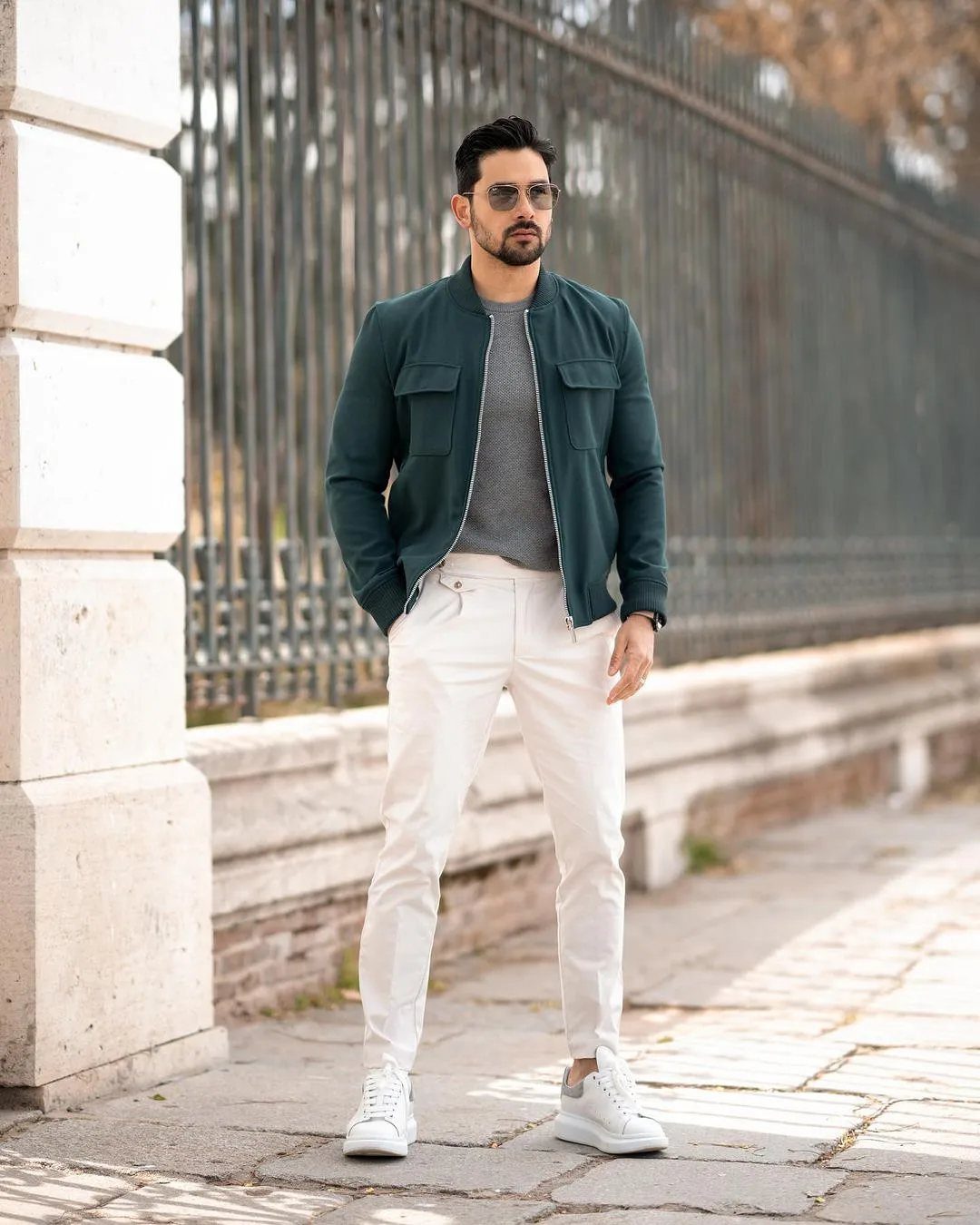
A dark green zip-up bomber over a grey crewneck is the easiest way I know to wear white trousers without looking like you’re headed to a yacht. The green grounds the light legs, and grey sits quietly between them.
Clean white sneakers finish it; scuffed ones undo the whole outfit. White trousers can show more than you’d like, so pick a thicker fabric and check them in daylight before committing.
7. Plaid Polo with Tailored Trousers
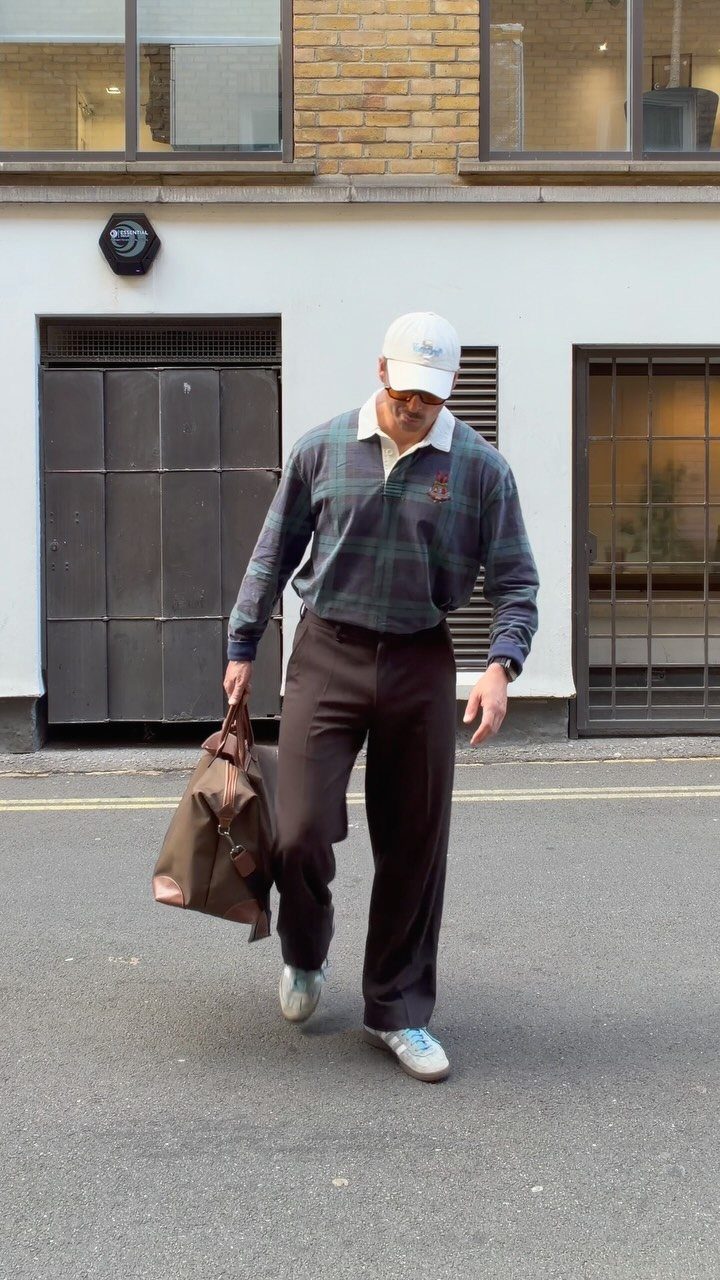
Dark plaid in a knit polo reads as a shirt and a sweater at once, which is why brown trousers suit it so well. The pattern stays low-contrast, so the whole outfit looks calm.
Keep everything else plain: solid trousers, simple sneakers, one leather bag. A cap and sunglasses make it weekend-ready, but I’d drop both for the office and keep the polo.
8. Relaxed Linen Matching Set
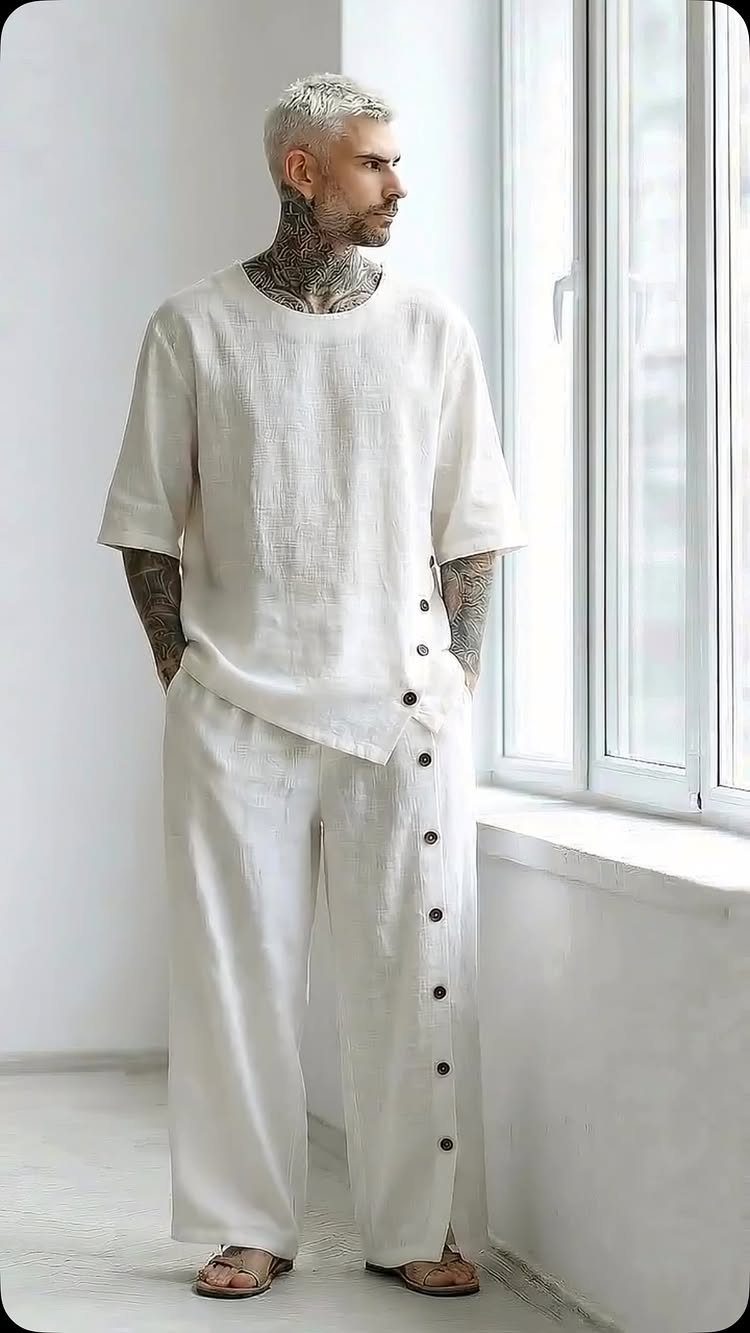
Matching linen in white is the loosest way I know to dress up in summer. A textured short-sleeved shirt with wide-leg trousers in the same fabric looks deliberate, and sandals keep it relaxed.
Wide legs suit men who dislike anything clinging. Linen wrinkles, so accept that going in; the creases are part of the look.
Pick an exact fabric match, since two near-whites look like an error.
9. Leather Jacket with Necktie
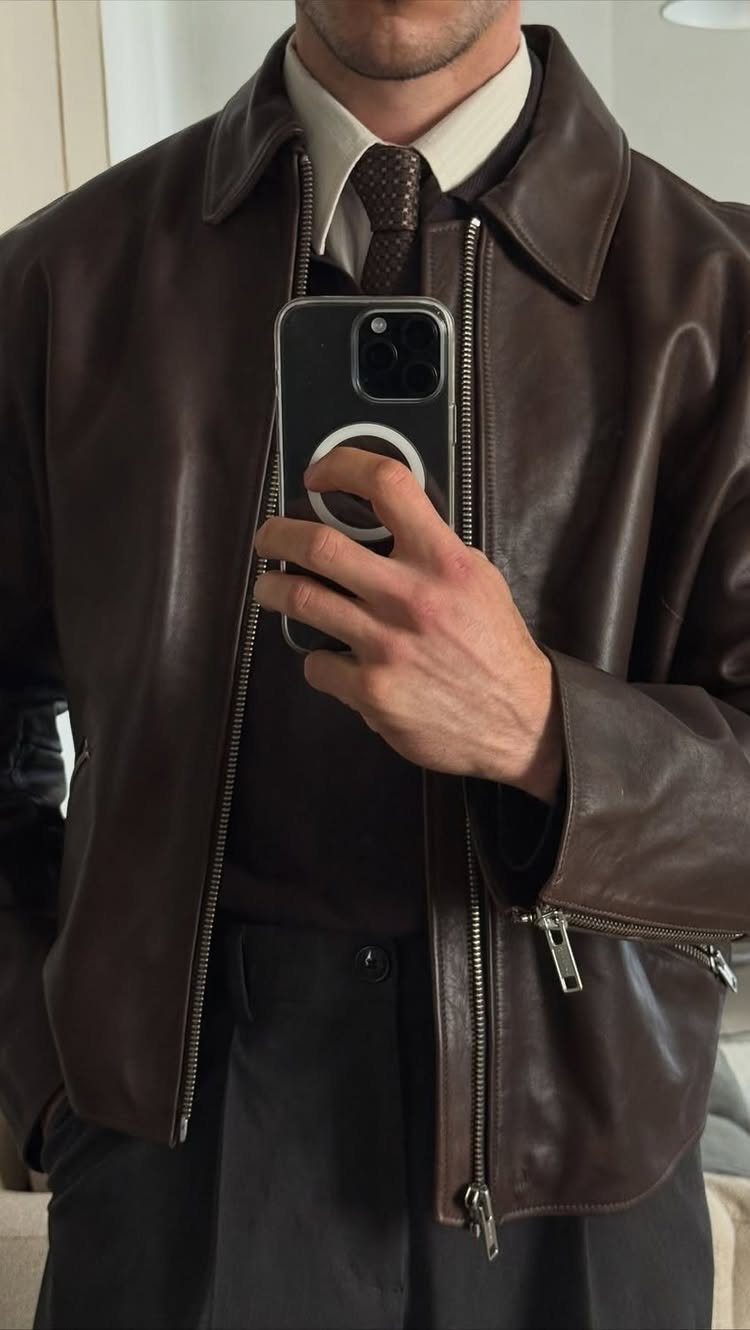
Brown leather over a collared shirt and patterned tie turns a office staple into something with an edge. A dark sweater between shirt and jacket adds a layer and keeps the tie from looking stiff.
Choose a jacket in a soft, plain cut with a zip rather than heavy hardware. Let the tie carry the pattern while the shirt stays cream or white.
10. Bright Utility Jacket with Dark Denim
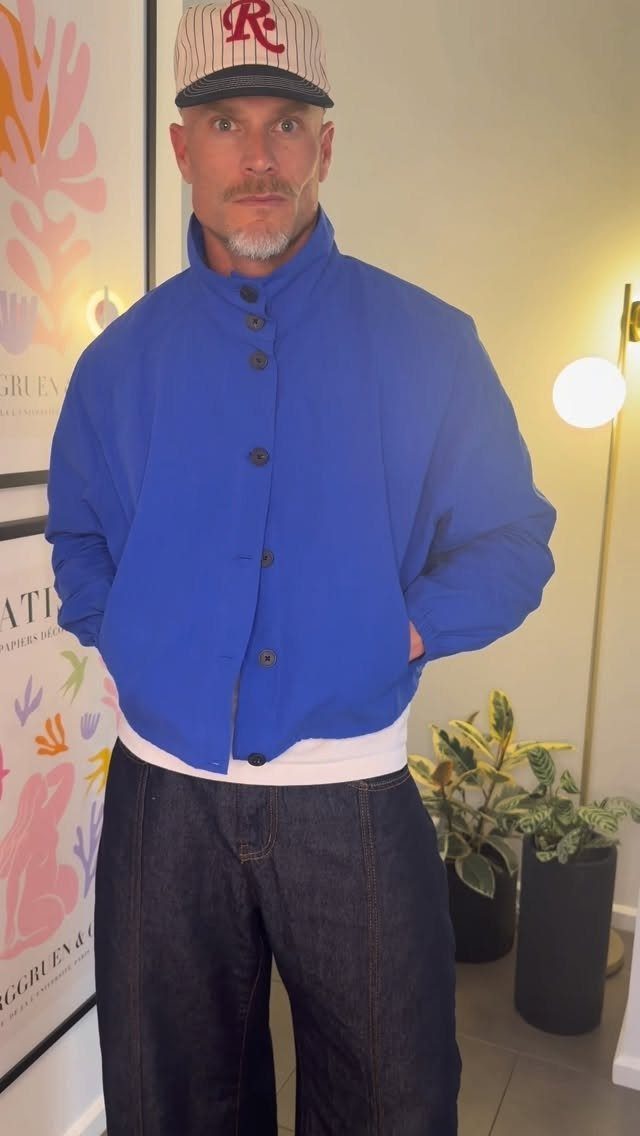
A bright blue workwear jacket is the single loud piece here, so everything else goes quiet. Dark, wide-leg jeans give it a solid base, and a cap keeps the mood casual.
I like a saturated blue because it flatters most skin tones and goes with denim without trying. Keep the jeans dark and unfaded, and skip other bright colors.
11. Open Button-down Over T-shirt
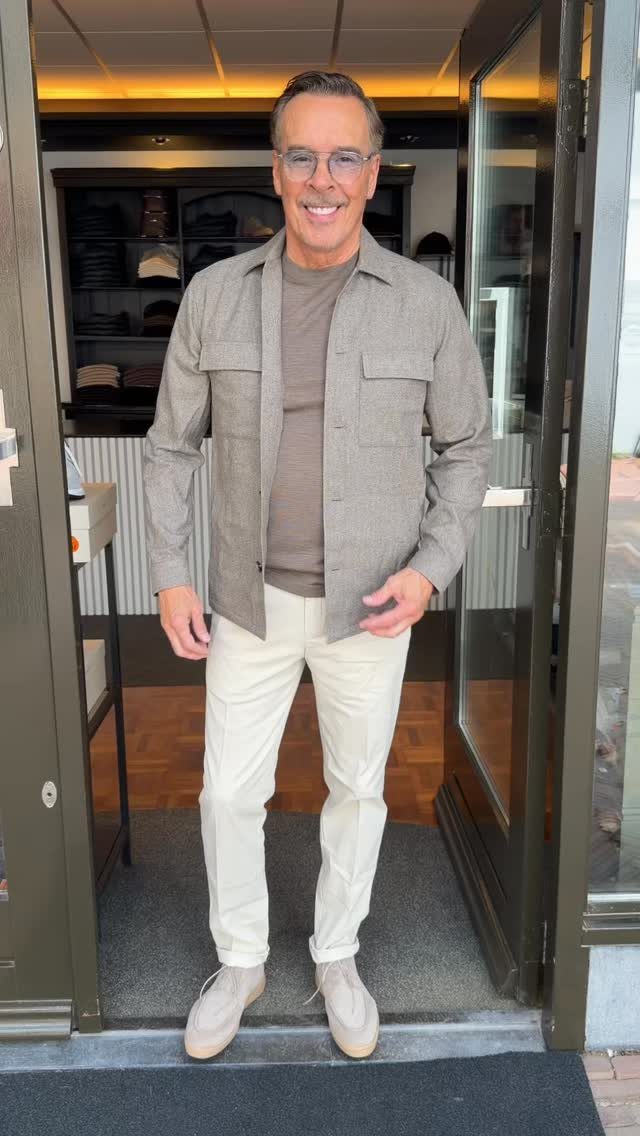
An unbuttoned overshirt worn over a plain tee is my favorite way to dress down without looking careless.
Keep the palette in one family, a grey shirt over a brown tee with off-white trousers and suede shoes, and the open layer reads relaxed without looking sloppy.
The open shirt acts like a light jacket, so it hides a midsection better than a tee alone. Choose a tee in a different shade from the shirt, and leave the shirttail out.
12. Zip-up Cardigan with Necktie
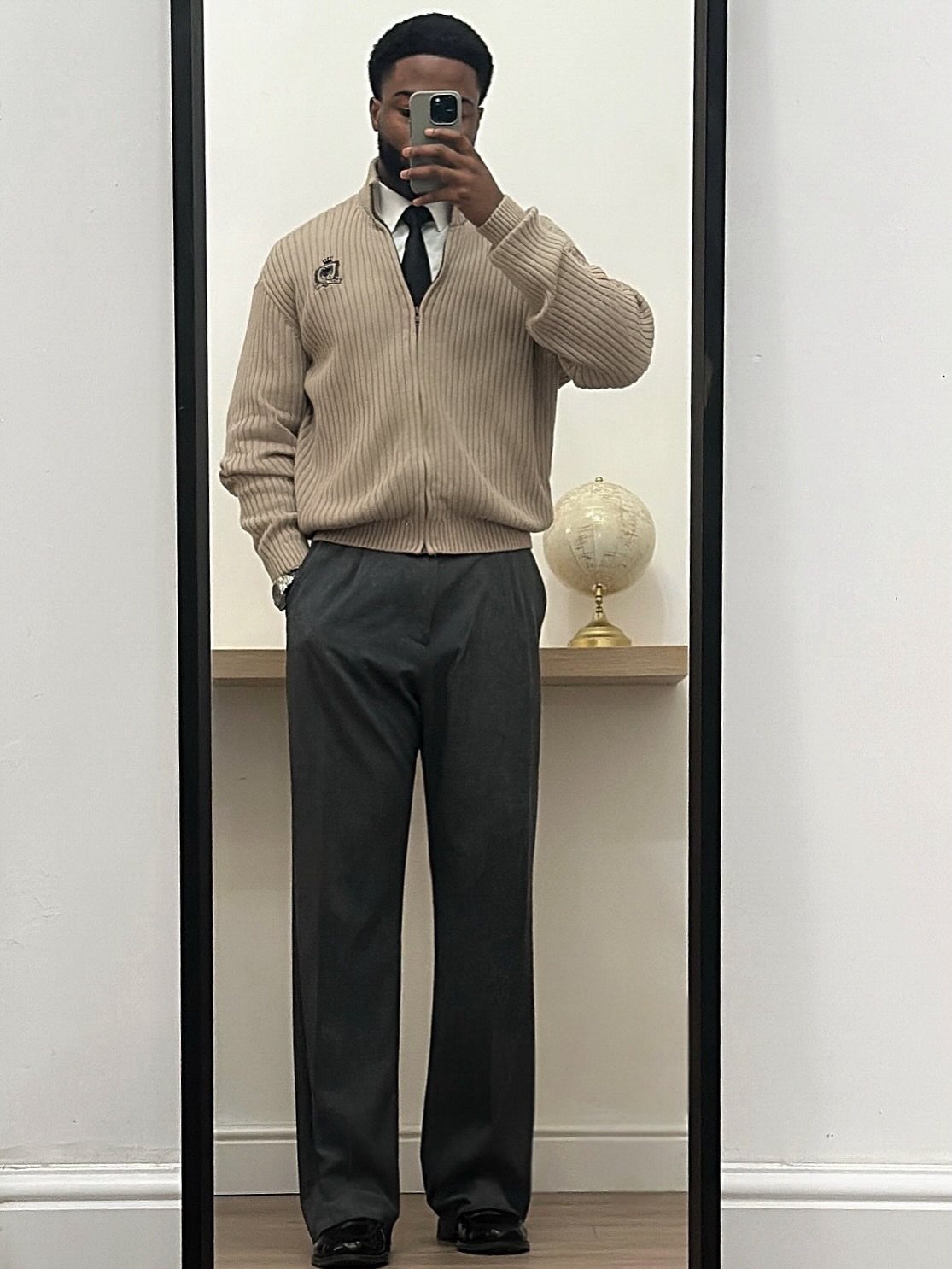
A beige ribbed zip-up cardigan over a white shirt and black tie is business dress with the stiffness removed. The knit replaces a blazer, and the ribbing adds texture a jacket can’t.
A zip cardigan with a tie only works if the bottom half stays formal, so pair it with dark grey trousers and leather dress shoes. A black tie looks best slim and plain against the beige.
Zip it only partway so the tie stays visible.
13. Utility Jacket with Cargo Pants
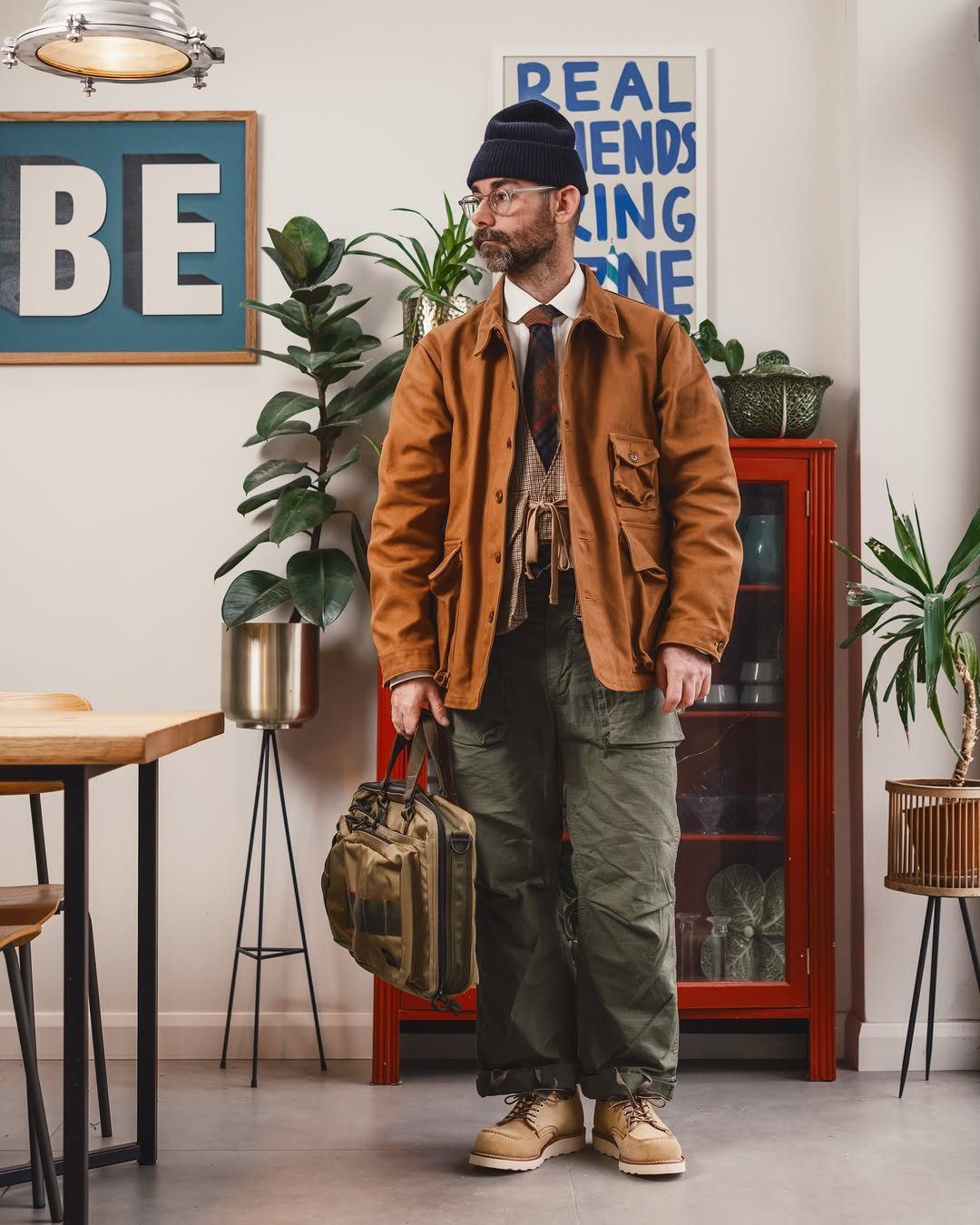
Olive cargo pants take a brown utility jacket from weekend gear to something a white shirt and patterned tie can sit comfortably under.
Brown and olive are both earthy, so the colors share a mood and the tie supplies the only pattern.
A plain white shirt underneath lets the jacket and cargo pants do the talking. Pick cargo pants with a slim, tapered leg, since bulky pockets and a loose fit add width fast.
A beanie finishes the look when the weather turns cold.
14. Fitted Button-down and Trousers
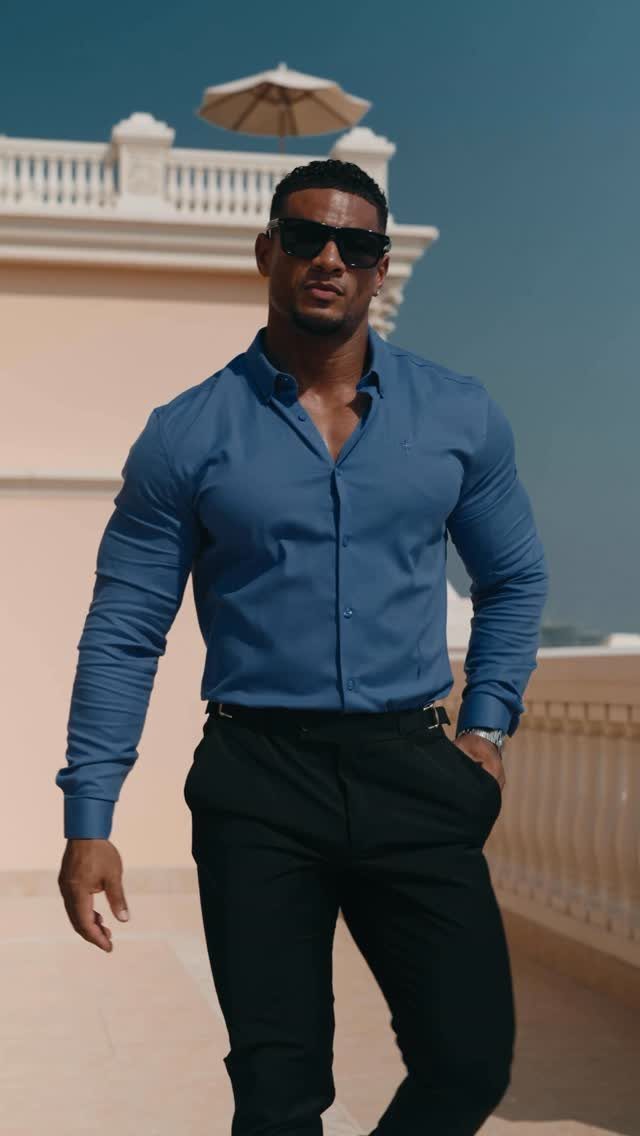
A fitted blue button-down with black trousers is about as simple as dressing gets, and the contrast does the work. Against the black, the blue adds just enough lift that no jacket is needed to look sharp.
Fit decides everything here.
The shirt should follow the shoulders and chest without pulling at the buttons, and the sleeves should end at the wrist. Black trousers with a clean, straight line keep it polished.
Sunglasses make it work for a sunny day out, and I’d leave the top button open for a relaxed collar.
15. Minimalist Sunglasses
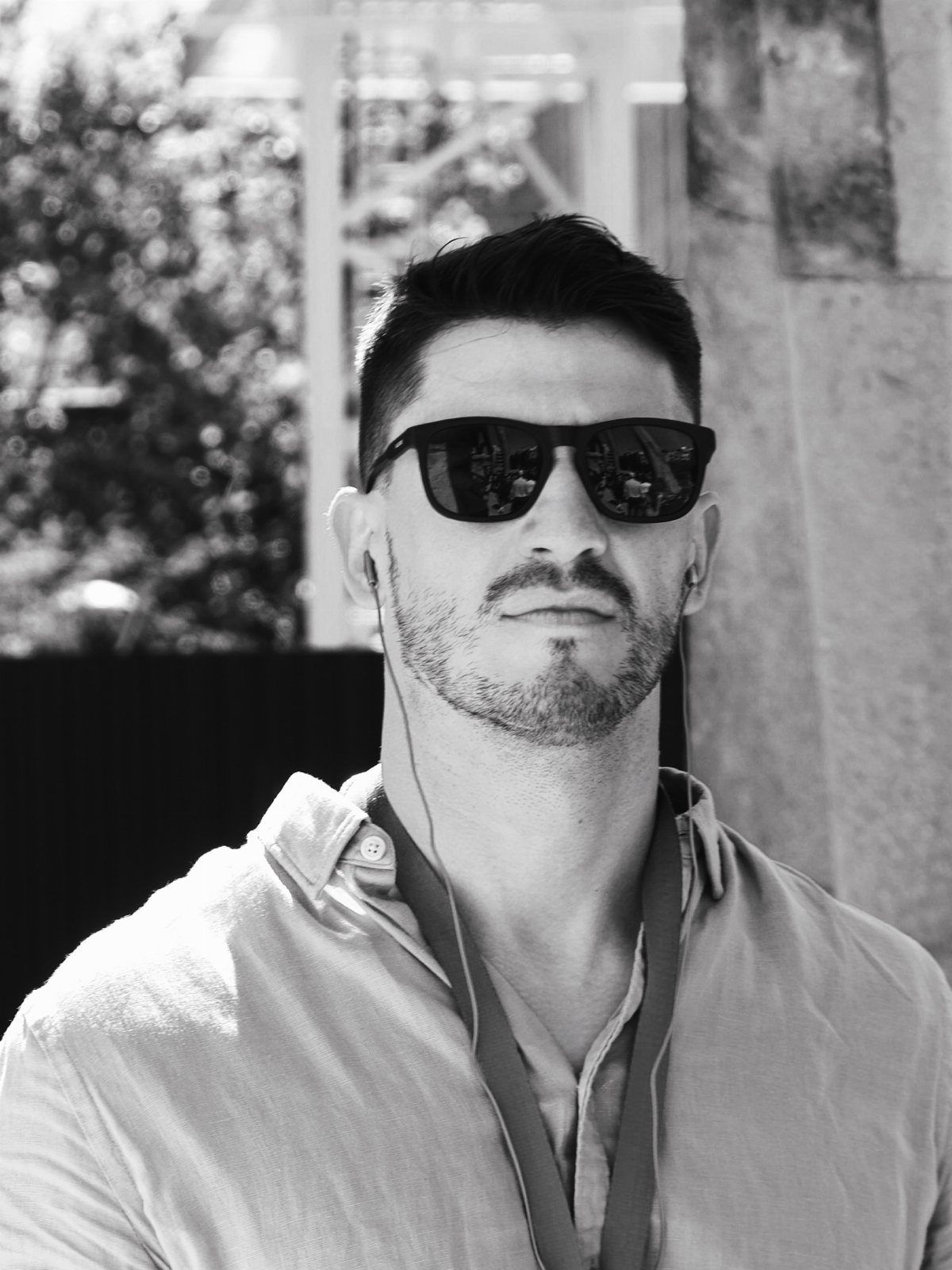
Dark square-frame sunglasses with no logo and no color are the ones I’d buy. They sit well with a light button-up shirt and stubble, and they work with nearly everything else in your closet.
Minimal frames keep attention on you rather than the brand. Choose a shape that suits your face: square frames add definition if your face is rounder.
One good pair beats a drawer of trendy ones, and they cost far less than a jacket.
The Psychology of Dressing Well
Clothes change how people read you, and they change how you carry yourself. A well-fitted outfit can bring better service in shops and restaurants, and it can open professional doors that a rumpled one keeps shut.
After 40, people decide fast who you are and expect you to have it figured out. Dressing well on a regular basis breaks that assumption in your favor, because they didn’t expect the effort.
Consistency matters more than any single outfit. A sharp look for the big meeting and sweatpants the rest of the week sends a mixed message, mostly to you.
Dress for the goal in front of you: the promotion, the networking event, the second date. When you feel put together, you act that way, and others respond to it.
Common Style Mistakes
The biggest style mistake after 40 is not choosing wrong. It’s not choosing at all: pulling on whatever is comfortable and calling it a day.
Comfort-first dressing leaves you in outdated pieces that hide you instead of presenting you.
Cargo shorts are the clearest example, and I’d retire them. Overly trendy items are the opposite trap, since they date quickly and can look like you’re trying too hard.
2 beliefs keep men stuck: that style is for younger guys, and that nobody is watching anyway.
Neither holds up. Looking put together is a favor to yourself, a way to match how you present to what you want out of your day, and strangers’ opinions barely enter into it.
Rules from your 20s may not fit now, so audit your closet honestly. Keep what fits and suits your life today, and let go of clothes that belong to the man you used to be.
As a man, when you push into your 40s it becomes harder to keep up with every new trend and perhaps there comes a point at which maybe you shouldn’t. But you might not want to totally give up either.
Importance of Fit
Fit is what makes clothes look expensive. A modest shirt that fits well beats a costly one that flaps at the shoulders and pulls across the stomach.
A good tailor takes in the waist, shortens the sleeves, and cleans up the lines, so the clothes hang from your actual shoulders and chest.
A close fit still leaves room to move: the fabric should skim your body, with no pulling across the chest or thighs, and the proportions should suit your frame.
A tailor can fix many things cheaply, so buy for the parts that are hard to alter, like the shoulders, and adjust the rest. Take in a waist, shorten sleeves, hem trousers.
Fabric deserves the same attention. A well-made jacket or pair of pants costs more at the register, but it holds its shape for years, and I end up buying less and replacing less.
Frequently Asked Questions
What is fashionable for a 40 year old man?
Well-fitted classics in good materials: a navy suit, dark brown leather shoes, grey chinos and a thick textured knit.
A modest piece cut to your frame reads as pricier than an expensive one that hangs off the shoulders. Keep to a few pieces that mix well and skip anything that dates quickly.
How do I know if my clothes fit properly in my 40s?
A shirt should follow your shoulders and chest without pulling at the buttons, and the sleeves should end at the wrist. Trousers should skim the leg without clinging or pooling at the shoe.
Is it too late to develop good style after 40?
No. Go through the closet first and keep only what fits your body and your week today; the clothes from your 20s can go.